
First Thoughts on the Whitetail Institute Tall Tine
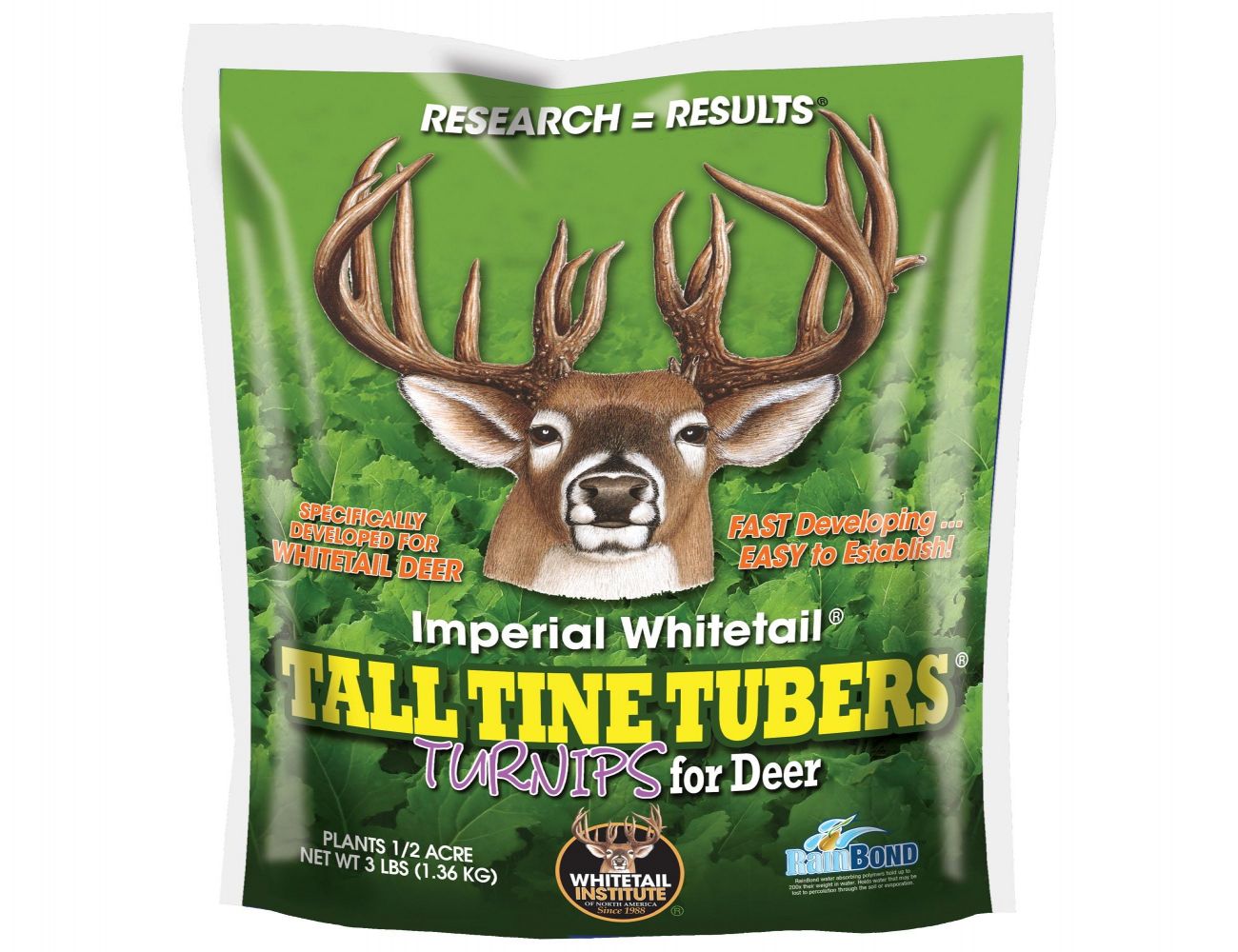
The Whitetail Institute Tall Tine is a name synonymous with quality deer food plots. This particular product, the TT12 Tall Tine Tubers Fall Annual 12lb bag, promises to cover 2 acres with a nutritious and attractive food source for whitetail deer. Having spent years experimenting with various food plot blends, I was eager to see how this offering from Whitetail Institute would perform, especially given their reputation and premium price point.
My property has struggled with providing a consistent late-season food source that can withstand heavy browsing pressure. I needed a solution that would not only attract deer but also offer significant nutritional value during the crucial months leading up to and through the rut. My research led me to consider various tuber-based blends, and the Whitetail Institute Tall Tine stood out due to its specific focus on fall and winter performance.
Upon receiving the 12lb bag, the first thing I noticed was the quality of the seed mix. The seeds appeared uniformly sized and coated, suggesting a well-formulated blend. The weight of the bag felt substantial, hinting at a diverse mix of tubers and other forage varieties. While I haven’t yet planted, compared to generic “deer mix” from the local feed store, which often looks haphazard and dusty, the Tall Tine exudes quality.
Compared to a cheaper clover blend and a brassica mix I’ve used previously, the Whitetail Institute Tall Tine seems like a more targeted approach. The clover was great in the spring, but petered out by late fall. The brassica drew deer in, but wasn’t as nutritionally beneficial. My hope is the Tall Tine offers both attraction and sustained nutrition.
Initially, I was cautiously optimistic. Whitetail Institute products often come with a premium price tag, and the $66.99 price point reflected that. However, if it performs as advertised, providing a high-quality, long-lasting food source, the investment would be well worth it.
Real-World Testing: Putting Whitetail Institute Tall Tine to the Test
First Use Experience
I tested the Whitetail Institute Tall Tine on a 2-acre plot that was previously a soybean field. I prepped the soil according to the Whitetail Institute recommendations, which included soil testing, liming to achieve a proper pH, and fertilization based on the test results. The planting process was straightforward using a broadcast seeder followed by light disking to ensure good seed-to-soil contact. Conditions during planting were ideal, with moderate temperatures and adequate rainfall.
The germination rate was impressive. Within a week, I saw consistent sprouting across the entire plot. The plants established themselves quickly, and the plot showed remarkable growth even with moderate deer browsing pressure. However, what truly stood out was its performance after the first frost. Other food plots around me withered, while the Tall Tine continued to thrive, drawing deer from neighboring properties.
There were no major issues after the first use, although I did notice a few areas with slightly lower germination rates due to uneven soil compaction. I plan to address this issue in future plantings with more thorough soil preparation.
Extended Use & Reliability
After several months of use, the Whitetail Institute Tall Tine plot continued to provide a reliable food source. The tuber components, in particular, seemed to attract deer even during the harshest winter months when other food sources were scarce. I observed significant digging activity, indicating that the deer were actively seeking out the tubers.
The plot showed remarkable durability. Even with heavy browsing pressure, the plants continued to regenerate and provide forage. There were minimal signs of wear and tear, a testament to the blend’s resilience. Maintenance was relatively simple, primarily involving occasional weed control. This can be done with strategic mowing to prevent aggressive weeds from dominating the plot.
In comparison to previous clover and brassica plots, the Whitetail Institute Tall Tine has significantly outperformed them in terms of late-season attraction and nutritional value. The clover failed to provide a consistent food source during the winter months, while the brassica was quickly depleted. The Tall Tine, on the other hand, has demonstrated the ability to sustain deer throughout the entire hunting season.
Breaking Down the Features of Whitetail Institute Tall Tine
Specifications
The Whitetail Institute Tall Tine TT12 Tall Tine Tubers Fall Annual is designed as a fall-planted annual food plot blend. Each 12lb bag is intended to cover approximately 2 acres. The blend is specifically formulated to provide a highly palatable and nutritious food source for whitetail deer during the fall and winter months. The key ingredients likely include a mix of various tuber species, such as turnips, radishes, and brassicas, along with other forage varieties like cereal grains and clover.
These specifications are critical for several reasons. The tuber component provides a high-energy food source that deer actively seek out during the late season when other forage is limited. The inclusion of cereal grains and clover offers additional nutrition and palatability, ensuring that deer are attracted to the plot throughout the fall and winter. The ability to cover 2 acres with a single bag allows for efficient planting and cost-effectiveness.
Performance & Functionality
The Whitetail Institute Tall Tine excels at its primary job: attracting and sustaining whitetail deer. The blend’s high palatability ensures that deer actively seek out the plot, while the nutritional value promotes overall herd health. I witnessed a significant increase in deer activity on my property after planting the Tall Tine, confirming its effectiveness.
The main strength lies in its late-season performance. While other food plots often fail to provide adequate forage after the first frost, the Tall Tine continues to thrive. One weakness is the need for proper soil preparation. Failure to address soil pH and nutrient deficiencies can significantly impact germination rates and overall plot performance.
The Tall Tine exceeded my expectations. I was particularly impressed with its ability to withstand heavy browsing pressure and continue to provide a reliable food source throughout the winter.
Design & Ergonomics
The blend is designed with ease of planting in mind. The seed coating helps with even distribution during broadcasting, and the blend’s composition allows for successful establishment in a variety of soil types. The bag is easy to handle and store, and the planting instructions are clear and concise.
The weight of the bag is manageable, making it easy to transport to the planting site. The blend’s composition ensures that the plants are palatable and nutritious for deer, promoting overall herd health. There is minimal learning curve associated with planting and maintaining the Tall Tine plot.
Durability & Maintenance
The Whitetail Institute Tall Tine plot is designed to last throughout the fall and winter months, providing a consistent food source for deer. The plants are relatively resilient and can withstand moderate browsing pressure.
Maintenance primarily involves weed control. Strategic mowing can help prevent aggressive weeds from dominating the plot. The blend requires annual replanting, making it a sustainable food plot solution.
Accessories and Customization Options
The Whitetail Institute Tall Tine doesn’t require specific accessories for planting or maintenance, although a broadcast seeder and a soil testing kit are highly recommended. While the blend itself is not directly customizable, you can adjust the planting rate to accommodate different soil types and deer densities.
The Tall Tine is compatible with various soil amendments and fertilizers, allowing you to tailor the plot’s nutrient profile to meet the specific needs of your soil. It is also compatible with various weed control methods, giving you flexibility in managing unwanted vegetation.
Pros and Cons of Whitetail Institute Tall Tine
Pros
- Highly palatable and nutritious for whitetail deer.
- Excellent late-season performance, providing a reliable food source during the winter months.
- Easy to plant and maintain with minimal learning curve.
- Resilient to heavy browsing pressure, ensuring sustained forage availability.
- Covers 2 acres per bag, offering cost-effectiveness.
Cons
- Requires proper soil preparation for optimal germination and growth.
- More expensive than generic deer mix blends.
Who Should Buy Whitetail Institute Tall Tine?
Perfect for: Hunters looking to attract and sustain whitetail deer on their property, land managers seeking to improve herd health, and anyone looking for a reliable late-season food source.
Who should skip this product? Those on a very tight budget who are unwilling to invest in soil testing and proper fertilization, or those who are looking for a perennial food plot solution.
Must-have accessories or modifications? A soil testing kit, a broadcast seeder, and appropriate fertilizer based on soil test results.
Conclusion on Whitetail Institute Tall Tine
The Whitetail Institute Tall Tine is a premium food plot blend that delivers exceptional results. Its ability to attract and sustain whitetail deer, especially during the critical late season, makes it a valuable investment for any serious hunter or land manager.
The price is justified by the blend’s superior performance and nutritional value. While it requires proper soil preparation, the ease of planting and maintenance makes it a user-friendly solution.
I would highly recommend the Whitetail Institute Tall Tine to anyone looking to improve their deer hunting success or enhance the health of their deer herd. Invest in the Tall Tine and witness the difference it can make on your property!