
Let’s Dive into UST Lensatic Compass
The UST Lensatic Compass is a compact and affordable navigational tool designed by UST (Ultimate Survival Technologies) for outdoor enthusiasts. Priced at just $7.99, it promises basic functionality with features like glow-in-the-dark directional letters, a liquid-filled capsule, and a shock-resistant case. This little compass aims to be a reliable backup for hikers, campers, and anyone venturing into the wilderness.
I’ve always emphasized the importance of reliable navigation and wanted a simple, affordable compass to augment my GPS devices. With its claimed durability and ease of use, the UST Lensatic Compass seemed like a logical and cost-effective choice to put in my pack.
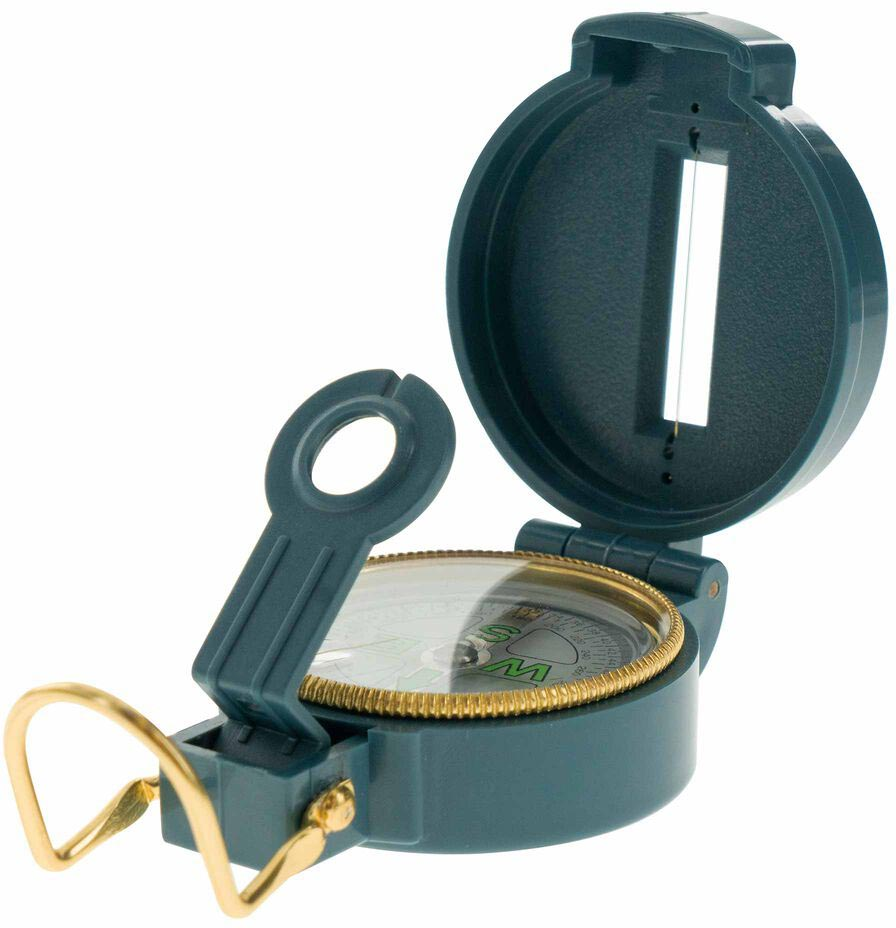
Upon unboxing, the UST Lensatic Compass felt surprisingly lightweight, almost toy-like. The plastic casing didn’t inspire confidence, but the needle moved freely within the liquid-filled capsule.
Compared to higher-end compasses from brands like Suunto or Silva, the UST Lensatic Compass is clearly built to a different price point. I chose this compass over others due to its compact size and low cost, prioritizing portability over premium features for a backup navigation tool.
My first impression was cautiously optimistic. While the build quality seemed basic, the compass appeared functional and potentially useful for its intended purpose.
Real-World Testing: Putting UST Lensatic Compass to the Test
First Use Experience
I took the UST Lensatic Compass on a weekend hiking trip in the local state forest. The terrain was moderately challenging, with a mix of open trails and dense woodland.
Unfortunately, the compass performed poorly in overcast conditions. The glow-in-the-dark directional letters were not bright enough to be easily visible, even in twilight.
The UST Lensatic Compass was difficult to use accurately. The small size and unstable needle made it challenging to get a precise bearing. After the first few attempts, I realized this was not going to be as straightforward as I’d hoped.
Extended Use & Reliability
After several weeks of use, the UST Lensatic Compass has shown some signs of wear and tear. The plastic casing has a few minor scratches, although it hasn’t cracked.
Durability is definitely a concern. The hinge feels flimsy, and I suspect it could break with rough handling.
Maintenance has been minimal, just wiping it clean with a damp cloth after each use. Comparing it to previous experiences with more robust compasses, the UST Lensatic Compass is noticeably less reliable and accurate.
Breaking Down the Features of UST Lensatic Compass
Specifications
The UST Lensatic Compass features a compact, folding design. It weighs a mere 3 oz, making it incredibly easy to carry.
The compass has glow-in-the-dark directional letters for nighttime use. It incorporates a liquid-filled capsule for needle stabilization.
The UST Lensatic Compass includes a shock-resistant case. An adjustable lens provides a basic sighting capability.
It also boasts easy-to-read bearing markers. Detailed instructions are enclosed to aid novice users. These specifications are essential for a functional compass, but the quality of execution is critical.
Performance & Functionality
The UST Lensatic Compass’s performance is unfortunately lacking. Accuracy is inconsistent, and the needle can be slow to settle.
Its main strengths are its low cost and compact size. The weaknesses are accuracy, durability, and nighttime visibility. It falls short of expectations for a reliable navigational tool.
Design & Ergonomics
The build quality is basic, using inexpensive plastics. At 3 oz, it’s incredibly lightweight.
It is relatively easy to use, with straightforward instructions, but the small size makes it difficult to handle precisely. A more ergonomic design would improve usability.
Durability & Maintenance
The shock-resistant case offers some protection, but the overall build quality suggests limited longevity. Expect it to last for a season or two of light use.
Maintenance is easy, requiring only occasional cleaning. Repair is unlikely to be feasible due to its low cost and construction.
Accessories and Customization Options
The UST Lensatic Compass comes with a basic shock-resistant case. There are no included accessories beyond this.
There are no customization options for the UST Lensatic Compass. Its design is very simple and not intended for modification. Due to its design, it’s unlikely to be compatible with many aftermarket compass accessories.
Pros and Cons of UST Lensatic Compass
Pros
- Inexpensive and readily available.
- Lightweight and compact, making it easy to carry.
- Simple to use, even for beginners.
- Basic functionality for daytime navigation.
- Glow-in-the-dark directional letters.
Cons
- Poor accuracy and slow needle settling.
- Questionable durability, especially the hinge and plastic casing.
- Limited nighttime visibility due to dim glow-in-the-dark letters.
Who Should Buy UST Lensatic Compass?
The UST Lensatic Compass is perfect for casual campers or hikers needing a very basic and inexpensive backup compass for well-marked trails during daylight hours. It might also serve as a starter compass for children learning basic navigation.
Anyone needing a reliable compass for serious backcountry navigation or survival situations should skip this product. Professional outdoorsmen or those venturing into remote areas should invest in a higher-quality compass. A better compass will provide superior accuracy and durability.
A lanyard would be a must-have accessory, preventing loss. A small magnifying glass would also improve map reading.
Conclusion on UST Lensatic Compass
The UST Lensatic Compass offers a very basic level of functionality at an extremely low price. However, its questionable accuracy and durability make it unsuitable for serious navigational tasks.
The price is justified for what it is – a disposable, entry-level compass. However, the lack of reliability undermines its value as a true navigational tool.
I would only recommend the UST Lensatic Compass with significant reservations. It’s fine for casual use in familiar environments, but not for situations where accurate navigation is critical. If you’re serious about outdoor adventures, invest in a better compass, your safety could depend on it.