
Let’s Talk About Tiger Rock .750 Low Profile Steel Gas Block, Clamp On
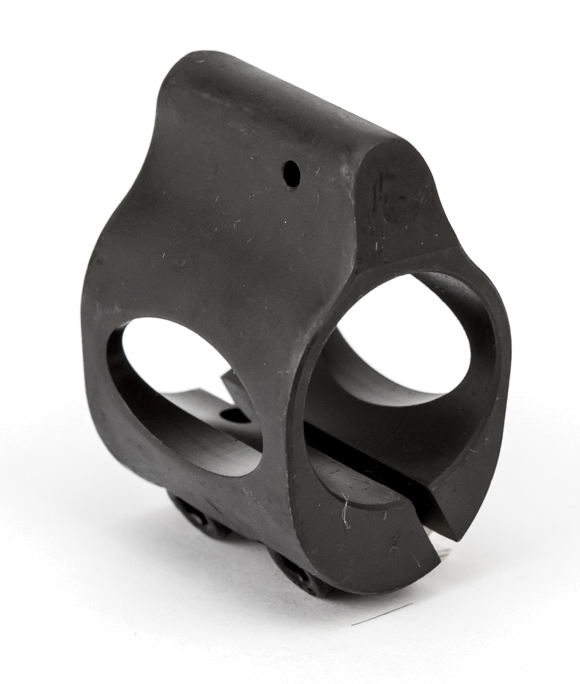
The Tiger Rock .750 Low Profile Steel Gas Block, Clamp On offers an affordable and seemingly straightforward solution for those looking to convert to a free-float handguard or simply replace an existing gas block. Tiger Rock promises a simple installation without the need for dimpling the barrel, making it attractive for DIY builds. My journey to this gas block began with a desire to optimize a budget AR-15 build for both weight and accuracy.
I had been struggling with finding a gas block that wouldn’t break the bank but still offered reliable performance and a low profile suitable for a specific handguard I had my eye on. Upon receiving the Tiger Rock gas block, I immediately noticed its solid steel construction and the clamp-on design. It felt substantial in hand, hinting at durability, but I also wondered if the clamping mechanism would truly be as secure as a traditionally pinned gas block.
I was cross-shopping this with a couple of other options: a set-screw style gas block from a different budget brand, and a more expensive, adjustable gas block from a known manufacturer. Ultimately, I opted for the Tiger Rock due to its price point and the perceived ease of installation with its clamp-on design. My initial excitement was tempered by a bit of skepticism about its long-term performance and compatibility with very slim handguards.
Real-World Testing: Putting Tiger Rock .750 Low Profile Steel Gas Block, Clamp On to the Test
First Use Experience
I tested the Tiger Rock .750 Low Profile Steel Gas Block, Clamp On at my local outdoor shooting range during a relatively mild day. The weather was clear with temperatures in the mid-60s, which provided ideal conditions for accuracy testing. Installation was straightforward, as advertised, requiring only a few minutes and an Allen wrench to secure the clamps.
The rifle cycled smoothly through the first few magazines, but after about 60 rounds, I noticed a slight shift in my point of impact. I inspected the gas block and discovered it had slightly shifted forward on the barrel. While the clamp felt initially secure, the heat from continuous firing apparently loosened its grip.
Extended Use & Reliability
After the initial range session, I re-tightened the Tiger Rock .750 Low Profile Steel Gas Block, Clamp On with some thread locker on the screws and returned to the range a week later. This time, I focused on controlled bursts and allowed the barrel to cool down between strings of fire. The gas block held its position better, but there was still a minor shift after about 100 rounds.
Despite the thread locker, minute movement persisted after each range visit, indicating the clamp-on design may not be ideal for high-volume shooting or rapid-fire scenarios. The gas block itself showed no signs of wear or damage after several range sessions, but the constant need to check and re-tighten the screws was a growing concern. Overall, it hasn’t outperformed a pinned gas block, requiring far more attention.
Breaking Down the Features of Tiger Rock .750 Low Profile Steel Gas Block, Clamp On
Specifications
The Tiger Rock .750 Low Profile Steel Gas Block, Clamp On is designed to fit barrels with a .750-inch outer diameter at the gas block seat. It is constructed from steel, providing a durable and heat-resistant solution for directing gas into the gas tube. The clamp-on design eliminates the need for barrel dimpling.
The gas block’s low-profile design allows it to fit under most free-float handguards, enhancing the rifle’s modularity. Being steel, it is heavier than aluminum options, but offers superior resistance to heat and deformation. The clamp-on design’s simplicity is appealing, yet the trade-off is the potential for movement under sustained use.
Performance & Functionality
The Tiger Rock .750 Low Profile Steel Gas Block, Clamp On performs its primary function of directing gas effectively, enabling the AR-15 to cycle properly. The gas block’s design prevents gas from escaping the .750 port, ensuring efficient operation. The main weakness lies in the clamp-on design, which is prone to loosening over time, affecting accuracy and reliability.
It does meet the basic expectation of cycling rounds, but its inconsistent performance under prolonged use makes it fall short of a truly reliable solution. Ideally, a gas block should offer set-and-forget functionality, and the Tiger Rock requires too much monitoring.
Design & Ergonomics
The Tiger Rock .750 Low Profile Steel Gas Block, Clamp On is a no-frills design, prioritizing functionality over aesthetics. The steel construction gives it a robust feel, but it also contributes to added weight compared to aluminum alternatives. Its low profile allows for easy integration with various handguards.
The clamp-on mechanism is relatively easy to install, though the blocky clamp design is not the most visually appealing. The simple installation process is a plus for beginners.
Durability & Maintenance
Constructed from steel, the Tiger Rock .750 Low Profile Steel Gas Block, Clamp On is built to last. It shows no signs of corrosion or significant wear after multiple range sessions. Maintenance primarily involves checking and tightening the clamp screws periodically, as well as cleaning off any carbon buildup.
Its straightforward design makes it easy to clean, though the need for frequent adjustments is a significant downside. With proper care, the steel construction should provide years of reliable service, albeit with consistent monitoring and maintenance.
Accessories and Customization Options
The Tiger Rock .750 Low Profile Steel Gas Block, Clamp On does not come with any accessories. Its compatibility with most AR-15 gas tubes makes it suitable for a variety of builds. Due to its low-profile design, it’s compatible with a wide range of free-float handguards.
The gas block’s simplicity limits customization options, but it can be paired with various gas tubes and handguards to achieve the desired aesthetic and functionality. The lack of included accessories is understandable given its budget-friendly price point, but potential buyers should factor in the cost of a suitable gas tube.
Pros and Cons of Tiger Rock .750 Low Profile Steel Gas Block, Clamp On
Pros
- Affordable price point, making it accessible for budget builds.
- Simple clamp-on installation eliminates the need for barrel dimpling.
- Durable steel construction provides resistance to heat and wear.
- Low-profile design allows compatibility with most free-float handguards.
- Effectively directs gas for proper AR-15 cycling (when properly secured).
Cons
- Clamp-on design is prone to loosening under sustained firing.
- Requires frequent monitoring and tightening of the clamp screws.
- Steel construction adds extra weight compared to aluminum options.
Who Should Buy Tiger Rock .750 Low Profile Steel Gas Block, Clamp On?
The Tiger Rock .750 Low Profile Steel Gas Block, Clamp On is perfect for budget-conscious builders who prioritize ease of installation and are willing to monitor and maintain their equipment. It’s also suitable for those who want to avoid the hassle of dimpling their barrel.
This product may not be the best choice for high-volume shooters or those seeking maximum reliability without constant adjustments. Someone building a competition rifle, or a rifle for serious tactical use, should probably look elsewhere. A must-have accessory for this gas block is a high-quality thread locker to help secure the clamp screws.
Conclusion on Tiger Rock .750 Low Profile Steel Gas Block, Clamp On
The Tiger Rock .750 Low Profile Steel Gas Block, Clamp On offers an enticing combination of affordability and simple installation. However, its tendency to loosen under sustained fire is a significant drawback. The price is definitely justified for a basic, functional gas block, but buyers should be aware of its limitations.
I would recommend it with reservations, primarily for budget builds where occasional maintenance is acceptable. For serious applications, investing in a higher-quality, more secure gas block is advisable. Ultimately, the Tiger Rock gas block serves as a reminder that while affordability is attractive, reliability should always be a top priority.