
First Impressions of Strike Industries Trijicon SRO JellyFish Cover
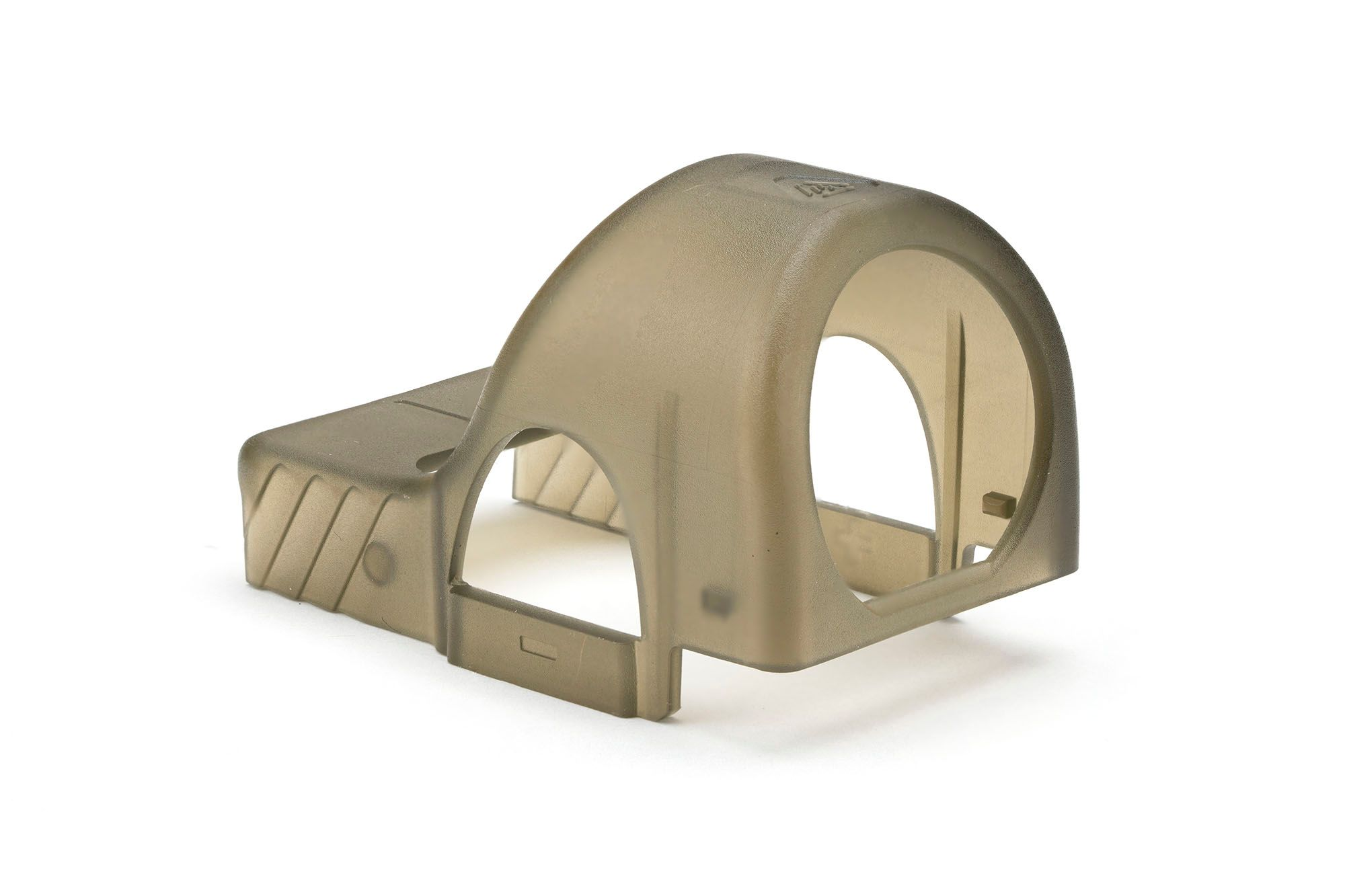
The Strike Industries Trijicon SRO JellyFish Cover is a seemingly simple accessory designed to protect a rather expensive piece of kit. Strike Industries aims to provide all-weather protection for the Trijicon SRO (Specialized Reflex Optic) without sacrificing the optic’s clarity or field of view. I was intrigued by the promise of a transparent, snug-fitting cover made from flexible TPU (Thermoplastic Polyurethane).
I’ve always been a proponent of protecting my optics, especially when using them in harsh environments. I was particularly interested in the JellyFish Cover because the SRO, while offering a fantastic sight picture, seems more exposed than some other red dots. The thought of safeguarding that investment with a minimal, non-obtrusive cover was appealing.
Upon receiving the Strike Industries Trijicon SRO JellyFish Cover, I immediately noticed how lightweight it was. The clear TPU material felt smooth and flexible, yet seemed rigid enough to offer some protection. My initial impression was positive, though I was slightly concerned about how well it would stay in place during recoil.
I considered similar covers, such as those made from rubber or thicker plastic, but ultimately chose the JellyFish Cover for its transparency. I wanted something that would protect the optic without significantly altering the sight picture or blocking ambient light to the sensor. My excitement was tempered by the negative user feedback citing fitment issues.
Real-World Testing: Putting Strike Industries Trijicon SRO JellyFish Cover to the Test
First Use Experience
I tested the Strike Industries Trijicon SRO JellyFish Cover at my local outdoor shooting range. The weather was partly cloudy with a slight breeze, providing typical shooting conditions. I mounted the SRO with the JellyFish Cover on my Glock 19 MOS, a setup I frequently use for both training and competition.
The initial installation was straightforward, albeit snug. It felt secure, but I immediately noticed the cover did, in fact, block the lower 1/3 of my co-witnessed suppressor height sights. After firing about 100 rounds of 9mm, the cover remained in place, which was a relief.
The only issue I experienced during my first outing was the slight obstruction of my suppressor height sights. I also observed a minor distortion of the red dot in certain lighting conditions due to the transparent material.
Extended Use & Reliability
After several weeks of regular use, the Strike Industries Trijicon SRO JellyFish Cover has held up reasonably well. I’ve used it during multiple range sessions, totaling over 500 rounds fired, and it hasn’t shown any significant signs of wear and tear. However, I did have the cover pop off once during a particularly vigorous training session involving rapid transitions.
The TPU material has proven to be fairly durable, resisting scratches and abrasions from normal handling. Cleaning is also simple; I just wipe it down with a damp cloth. I remain concerned about the long-term durability of the TPU, especially in extreme temperatures.
In comparison to using the SRO without any protection, the JellyFish Cover provides a noticeable peace of mind. However, the periodic need to readjust the cover after particularly heavy recoil is a drawback.
Breaking Down the Features of Strike Industries Trijicon SRO JellyFish Cover
Specifications
The Strike Industries Trijicon SRO JellyFish Cover is designed specifically for the Trijicon SRO red dot sight. Strike Industries uses a transparent TPU (Thermoplastic Polyurethane) material for its construction. It features an open design that allows access to the SRO’s illumination controls.
The cover is intended to provide all-weather protection while maintaining an unobstructed field of view. It is advertised as offering a snug, rigid fit. Installation is designed to be quick and easy, with rapid removal for zeroing or battery replacement.
These specifications are important because they directly impact the cover’s effectiveness. The transparent material ensures the red dot remains visible. The snug fit is intended to keep the cover securely in place.
Performance & Functionality
The Strike Industries Trijicon SRO JellyFish Cover performs adequately in its primary role of protecting the SRO. It does offer a barrier against dust, dirt, and light rain. It allows reasonable access to the brightness buttons.
However, the fit isn’t perfect, and the cover can sometimes shift under heavy recoil. Also, the transparency of the TPU material can introduce minor distortions in the sight picture, especially in bright sunlight. The concept is solid, but the execution could be improved.
The cover meets expectations for basic protection, but falls short in terms of secure fit and optical clarity.
Design & Ergonomics
The Strike Industries Trijicon SRO JellyFish Cover is a minimalist design, prioritizing function over aesthetics. The TPU material is lightweight and adds minimal bulk to the SRO. The open design provides easy access to the optic’s controls.
The installation and removal process is simple, requiring no tools. However, the snug fit can make it a bit challenging to initially install or remove the cover. The user-friendliness is generally good, but the fitment issues detract from the overall experience.
Durability & Maintenance
The TPU material of the Strike Industries Trijicon SRO JellyFish Cover appears reasonably durable. It has resisted minor scratches and abrasions. I expect the cover to last for a reasonable amount of time with proper care.
Maintenance is straightforward; the cover can be easily cleaned with soap and water. However, the long-term effects of exposure to harsh chemicals or extreme temperatures are unknown. It would be wise to avoid prolonged exposure to either.
Accessories and Customization Options
The Strike Industries Trijicon SRO JellyFish Cover does not come with any additional accessories. Strike Industries does offer other accessories for firearms, but none are specifically designed to enhance the JellyFish Cover itself. There are no customization options available for the cover.
The product is designed to be a standalone accessory. It is compatible with any firearm setup that utilizes the Trijicon SRO.
Pros and Cons of Strike Industries Trijicon SRO JellyFish Cover
Pros
- Provides basic protection against dust, dirt, and light rain.
- Open design allows access to illumination controls.
- Quick and easy installation and removal.
- Lightweight and adds minimal bulk.
- Transparent material maintains a reasonable field of view.
Cons
- Fitment issues may cause the cover to shift or detach under heavy recoil.
- TPU material can introduce minor distortions in the sight picture.
- May obstruct co-witnessed suppressor height sights.
Who Should Buy Strike Industries Trijicon SRO JellyFish Cover?
The Strike Industries Trijicon SRO JellyFish Cover is perfect for casual shooters who want a basic level of protection for their Trijicon SRO without significantly altering the optic’s profile. It’s also suitable for those who frequently shoot in environments with minimal dust or light rain. Individuals wanting something to protect their optic when storing their pistol in a range bag are good candidates as well.
Those who should skip this product include competitive shooters who require absolute reliability and clarity, as well as individuals who frequently operate in harsh environments with heavy rain, mud, or extreme temperatures. Anyone relying on co-witnessed suppressor height sights would also find the obstruction of the sight picture an issue. A better alternative to this cover would be to simply remove the optic entirely when not in use.
A must-have modification would be to perhaps use some sort of adhesive to better secure the cover to the optic. This would, of course, compromise the “quick removal” aspect of the product.
Conclusion on Strike Industries Trijicon SRO JellyFish Cover
The Strike Industries Trijicon SRO JellyFish Cover is a product with good intentions, but ultimately falls short of expectations. While it offers basic protection and easy installation, the fitment issues and potential for optical distortion detract from its overall value. The promised “snug fit” seems inconsistent from user to user.
At a price of $17.06, the value proposition is questionable. For the level of protection offered and the drawbacks experienced, there are potentially better alternatives. Namely, simply removing the optic when it is not in use.
I would cautiously recommend it to users who understand its limitations and prioritize minimal protection over absolute reliability and optical clarity. However, I believe Strike Industries needs to refine the design to address the fitment issues and minimize distortion. This product is worth considering for those on a very tight budget, but I recommend exploring other options first.