
First Impressions of South Bend Lunker Spinner
The South Bend Lunker Spinner promises to be a workhorse lure, designed for anglers of all skill levels. South Bend, a name synonymous with accessible fishing tackle, aims to deliver an effective spinner at a price point that won’t break the bank. This review will delve into whether the Lunker Spinner lives up to that promise, examining its construction, performance, and overall value.
What piqued my interest in the South Bend Lunker Spinner was its simplicity and affordability. In a market saturated with complex and expensive lures, I was looking for a reliable option for targeting bass and other predatory fish in local ponds and rivers. I wanted a lure that could be easily retrieved and would produce consistent action without requiring constant adjustments.
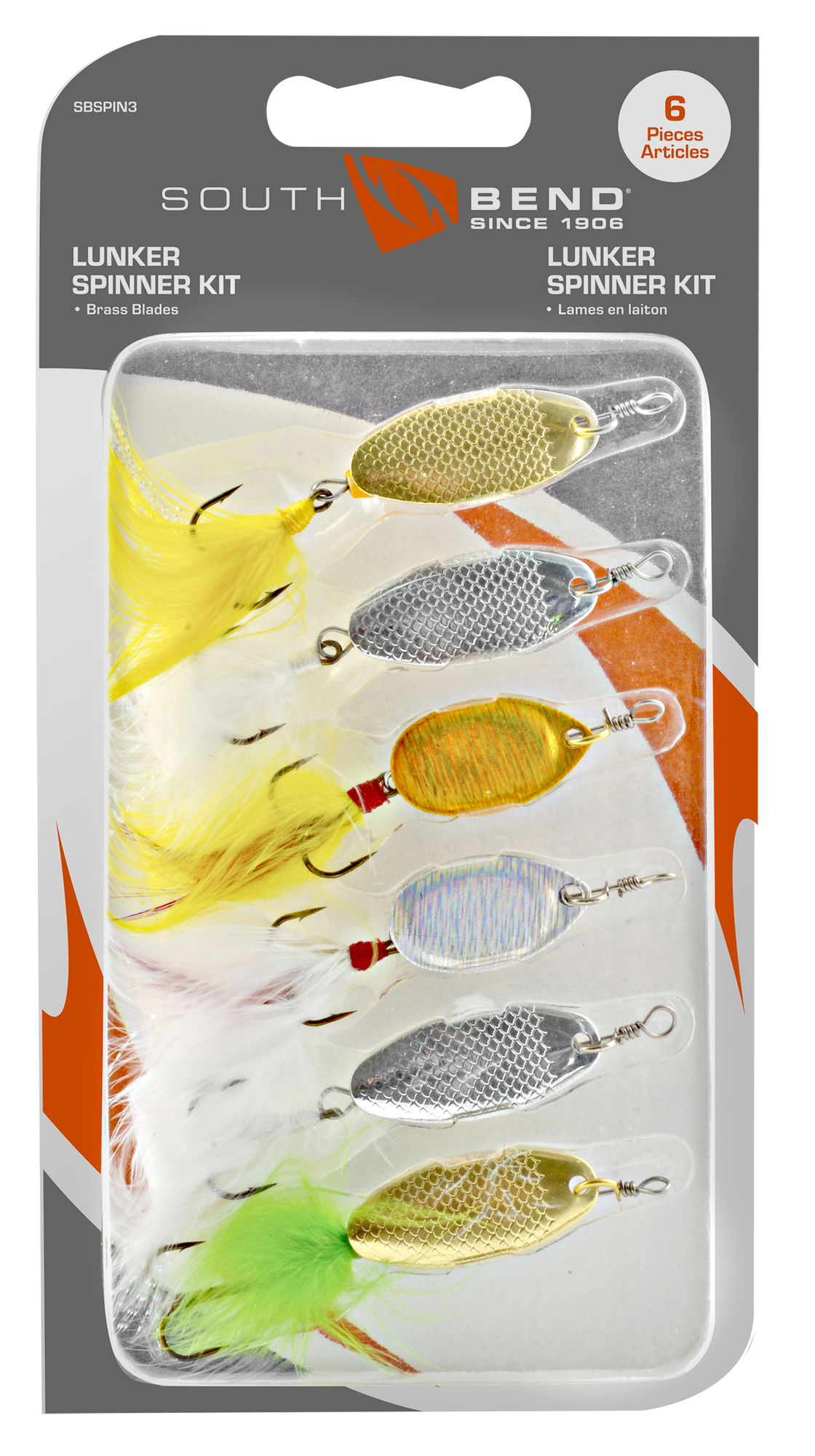
My initial impression upon seeing the South Bend Lunker Spinner was one of understated functionality. The materials felt adequate for the price, and the overall design was straightforward. It felt lighter than some of the more premium spinners I’ve used, but I wasn’t immediately concerned.
Compared to other spinners like the Mepps Aglia or the Blue Fox Vibrax, the South Bend Lunker Spinner felt less refined. The Mepps Aglia boasts a higher quality blade and smoother rotation, while the Blue Fox Vibrax offers a unique vibration. However, those spinners also come with a higher price tag, so the Lunker Spinner had to prove itself as the value option.
Initially, I was cautiously optimistic about the South Bend Lunker Spinner. The price was right, but I needed to see how it performed on the water before making a final judgment. It was time to see if this budget-friendly spinner could actually catch fish.
Real-World Testing: Putting South Bend Lunker Spinner to the Test
First Use Experience
My first outing with the South Bend Lunker Spinner was on a small, heavily pressured local pond known for its largemouth bass population. The water was relatively clear, with some submerged vegetation. I opted for a sunny day, hoping the flash of the spinner would attract some attention.
The Lunker Spinner performed surprisingly well in these conditions. It cast easily and retrieved smoothly, even at varying speeds. The blade rotated consistently, creating a noticeable flash and vibration in the water.
There were no immediate issues during the first few casts. However, after about an hour of use, I noticed that the blade rotation wasn’t as smooth as it was initially. It seemed to require slightly more speed to get the blade spinning consistently.
Extended Use & Reliability
After several weeks of using the South Bend Lunker Spinner on various fishing trips, I’ve gained a better understanding of its strengths and weaknesses. It’s proven to be a reliable lure for catching a variety of fish, including bass, crappie, and even the occasional pickerel.
However, the durability of the Lunker Spinner is a definite concern. The paint on the lure body started chipping after only a few uses, and the blade showed signs of corrosion. The hook also required sharpening more frequently than I would have liked.
Maintaining the Lunker Spinner is relatively simple. I rinse it with fresh water after each use and occasionally apply a light coat of oil to the blade and swivel. However, the corrosion issue persists, suggesting that the materials used aren’t as resistant to rust as those found in higher-end spinners.
Compared to my experiences with other spinners, the South Bend Lunker Spinner falls somewhere in the middle. It doesn’t offer the same level of performance or durability as premium spinners, but it’s significantly more affordable and still catches fish. Its value proposition lies in its accessibility and ease of use.
Breaking Down the Features of South Bend Lunker Spinner
Specifications
The South Bend Lunker Spinner typically features a willow leaf or Colorado blade, attached to a wire frame with a weighted body. The hook is usually a single, sharp treble hook. The lure is available in various sizes and colors to match different fishing conditions.
While the exact weight and dimensions vary depending on the specific model, most Lunker Spinners weigh between 1/4 and 1/2 ounce. This makes them suitable for casting with medium-action spinning or baitcasting gear. The use of a single treble hook increases the chances of a hookup.
Performance & Functionality
The primary function of the South Bend Lunker Spinner is to attract fish through flash and vibration. In this regard, it performs adequately. It casts well and retrieves easily, creating a consistent action that entices strikes.
However, the quality of the components affects its overall performance. The blade rotation isn’t always as smooth or consistent as more expensive spinners, and the hook may require frequent sharpening. The spinner is most effective in clear to slightly stained water where the flash of the blade can be easily seen.
The South Bend Lunker Spinner meets expectations as a basic, affordable spinner. It’s not a high-performance lure, but it gets the job done, especially for beginner anglers or those on a tight budget. It would not be a good choice for experienced anglers or those looking for a spinner to use in difficult fishing conditions.
Design & Ergonomics
The design of the South Bend Lunker Spinner is simple and functional. The weighted body helps with casting distance, and the wire frame provides a sturdy connection between the blade and the hook. The lure isn’t particularly flashy or aesthetically pleasing, but it’s designed for practicality rather than looks.
The build quality is acceptable for the price point. The materials aren’t the highest quality, but they’re adequate for basic fishing applications. The weight distribution allows for easy casting, even in windy conditions.
The Lunker Spinner is generally user-friendly, with no significant learning curve. It’s a simple lure to tie on and retrieve, making it a good choice for beginner anglers. Its ease of use is a definite advantage.
Durability & Maintenance
The South Bend Lunker Spinner‘s durability is a significant concern. The paint chips easily, and the blade is prone to corrosion. With proper care and maintenance, it can last for a reasonable amount of time.
Maintaining the Lunker Spinner involves rinsing it with fresh water after each use and occasionally sharpening the hook. Applying a light coat of oil to the blade and swivel can also help prevent corrosion. Even with proper care, however, it’s unlikely to last as long as more expensive spinners.
Replacing hooks and split rings is the most common repair needed for the South Bend Lunker Spinner. These parts are readily available at most tackle shops, and the repairs are relatively easy to perform. Investing in quality replacement hooks can significantly improve the lure’s performance and hookup ratio.
Accessories and Customization Options
The South Bend Lunker Spinner typically doesn’t come with any additional accessories. However, anglers can easily customize it by adding different blades, beads, or skirts. Replacing the hook with a higher quality option is a common modification.
The Lunker Spinner is compatible with a wide range of aftermarket accessories, including blades from different manufacturers and various types of fishing skirts. This allows anglers to tailor the lure to specific fishing conditions and target species. Experimenting with different blade colors and sizes can significantly impact the lure’s effectiveness.
Pros and Cons of South Bend Lunker Spinner
Pros
- Affordable price point makes it accessible to anglers of all budgets.
- Easy to use and requires no special skills or techniques.
- Effective for catching a variety of fish in different conditions.
- Customizable with a wide range of aftermarket accessories.
- Versatile and can be used in various fishing environments, from ponds to rivers.
Cons
- Durability is a concern, with paint chipping and blade corrosion.
- Blade rotation may not be as smooth or consistent as higher-end spinners.
- The stock hook may require frequent sharpening or replacement.
Who Should Buy South Bend Lunker Spinner?
The South Bend Lunker Spinner is perfect for beginner anglers looking for an affordable and easy-to-use lure to catch bass and other common freshwater fish. It’s also a good option for anglers on a tight budget who need a reliable spinner that gets the job done. It’s also useful for anglers looking to fish in areas with a high chance of snagging or losing lures, as the low cost makes it less painful to lose one.
Anglers looking for high-performance lures or those fishing in challenging conditions should skip this product. Experienced anglers who demand top-notch components and durability will likely be disappointed. It’s also not recommended for anglers targeting trophy-sized fish, as the hook may not be strong enough to handle the strain.
Must-have accessories include a hook sharpener and a selection of replacement hooks. Consider upgrading the split rings for increased durability.
Conclusion on South Bend Lunker Spinner
The South Bend Lunker Spinner is a decent entry-level lure that offers good value for its price. It’s not the most durable or high-performing spinner on the market, but it’s effective enough for catching fish in various conditions, making it a solid choice for beginners and budget-conscious anglers. The South Bend Lunker Spinner delivers an acceptable performance for the price paid.
The price of $10.49 is definitely justified for what you get. While it might not last forever, it’s an affordable option that can help you catch fish without breaking the bank. You can replace them more often without damaging your wallet.
I would recommend the South Bend Lunker Spinner to beginner anglers or those on a tight budget. Just be aware of its limitations and be prepared to perform some basic maintenance to keep it in good working order. Grab a few, hit the water, and start catching fish!