
Let’s Talk About Smith & Wesson 1851 Transport Restraint 12298
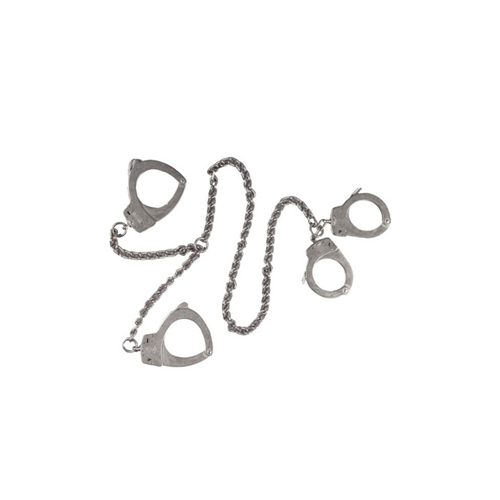
In the world of law enforcement and security, reliable restraint solutions are paramount. The Smith & Wesson 1851 Transport Restraint 12298 offers a unique approach, combining traditional handcuffing with enhanced security features for transporting individuals. Designed by Smith & Wesson, this system aims to provide a more secure and controlled method of subject transport.
My journey to finding this product began with a need for a more secure and humane transport solution for volunteer search and rescue operations. I was looking for a restraint that minimized discomfort and maximized safety, both for the individual and the team. The Smith & Wesson 1851 Transport Restraint 12298 stood out due to its integrated waist restraint and focus on medical considerations.
Upon unboxing, the initial impression was of robust construction. The materials felt durable and well-suited for demanding conditions. The medical-grade elastic cuffs seemed comfortable yet secure.
Compared to standard handcuffs and leg irons, the Smith & Wesson 1851 Transport Restraint 12298 offers significantly more control. Typical restraints only secure the wrists or ankles. This product provides both wrist and waist security, minimizing the possibility of escape or self-harm during transport. My first reaction was cautiously optimistic, appreciating the design’s intent but curious about its practicality in real-world scenarios.
Real-World Testing: Putting Smith & Wesson 1851 Transport Restraint 12298 to the Test
First Use Experience
My first practical experience with the Smith & Wesson 1851 Transport Restraint 12298 was during a training exercise simulating a wilderness extraction. The scenario involved safely securing and transporting a simulated subject with altered mental status over rough terrain. We operated in dry conditions with moderate temperatures.
The Smith & Wesson 1851 Transport Restraint 12298 was relatively easy to deploy. Securing the wrist cuffs was similar to standard handcuffs. The waist belt required some adjustment to ensure a snug yet comfortable fit.
The most significant initial challenge was adjusting the elastic waist restraint for different body sizes. The mechanism required some practice to operate smoothly. There were no immediate failures, but fine-tuning the fit proved crucial for maintaining subject comfort and security.
Extended Use & Reliability
After several months of intermittent use in training scenarios, the Smith & Wesson 1851 Transport Restraint 12298 has shown acceptable durability. The metal components maintain their integrity. The elastic cuffs have retained their elasticity and haven’t shown significant signs of wear.
The primary wear point appears to be the adjustable clasp on the waist belt. Repeated adjustments have caused some cosmetic scratches. However, the functionality remains unimpaired. Cleaning is straightforward, generally requiring only a damp cloth and mild soap.
Compared to solely using standard handcuffs, this transport restraint has proven more effective in maintaining control during simulated extractions. While it requires additional setup time, the added security and control over the subject’s movements are worthwhile.
Breaking Down the Features of Smith & Wesson 1851 Transport Restraint 12298
Specifications
The Smith & Wesson 1851 Transport Restraint 12298 is designed for secure subject transport. It features enhanced Smith & Wesson M&P handcuffs, push-pin double lock action, and medical-grade elastic waist cuffs. The handcuffs utilize a standard key.
The push-pin double lock system prevents over-tightening and reduces the risk of injury. The medical-grade elastic waist cuffs accommodate a range of body sizes, while providing a secure yet comfortable restraint. This combined system reduces the likelihood of escape or self-harm during transport compared to traditional handcuffing alone.
Performance & Functionality
The Smith & Wesson 1851 Transport Restraint 12298 performs its intended function adequately. It provides a more secure and controlled method of subject transport compared to handcuffs alone. The added waist restraint limits movement.
The handcuffs function flawlessly. The waist restraint is adequate, although the adjustment mechanism could be smoother. The design’s strength lies in its integration of wrist and waist control.
This product meets the basic expectations for secure transport. However, some refinements in the waist belt’s adjustment system would enhance its usability.
Design & Ergonomics
The Smith & Wesson 1851 Transport Restraint 12298 features a functional, albeit somewhat bulky design. The combination of metal handcuffs and elastic straps results in a noticeable weight. However, the distribution of weight is manageable.
The device is moderately user-friendly. Initial adjustment requires some practice. The elastic waist cuffs are comfortable against the skin.
Durability & Maintenance
The Smith & Wesson 1851 Transport Restraint 12298 appears reasonably durable. The metal components are robust. The elastic cuffs should last with proper care.
Cleaning is simple, generally requiring only a damp cloth and mild detergent. Regular inspection of the elastic for signs of wear is recommended.
Accessories and Customization Options
The Smith & Wesson 1851 Transport Restraint 12298 includes only the restraint system itself. No additional accessories are provided. Customization options are limited, focusing primarily on adjusting the waist belt for different body sizes.
The handcuffs are compatible with standard handcuff keys. The elastic waist cuffs are not easily replaceable.
Pros and Cons of Smith & Wesson 1851 Transport Restraint 12298
Pros
- Enhanced Security: Combines handcuffs and a waist restraint for more secure transport.
- Medical-Grade Elastic: Comfortable and adjustable for a variety of body types.
- Double-Lock Handcuffs: Prevents overtightening and potential injury.
- Durable Construction: Made with robust materials that withstand regular use.
- Standard Handcuff Key: Uses a common key for easy access and compatibility.
Cons
- Bulky Design: Can be cumbersome to carry and store.
- Waist Belt Adjustment: The clasp mechanism could be smoother and more user-friendly.
Who Should Buy Smith & Wesson 1851 Transport Restraint 12298?
Perfect for: Law enforcement officers, security personnel, and search and rescue teams requiring a more secure method of subject transport. This product is particularly useful when dealing with individuals who pose an escape risk or who may be prone to self-harm.
Who should skip this product? Individuals seeking a lightweight and easily concealable restraint. Also, those who require rapid deployment in high-stress situations may find the setup time too long.
Must-have accessories or modifications? A high-quality handcuff key and a durable carrying case for the entire system. Additionally, training on proper fitting and adjustment techniques is essential.
Conclusion on Smith & Wesson 1851 Transport Restraint 12298
The Smith & Wesson 1851 Transport Restraint 12298 offers a valuable solution for those needing enhanced security during subject transport. While the design may be bulky and the adjustment mechanism slightly cumbersome, the added security and control it provides are undeniable. Smith & Wesson has delivered a product that addresses a specific need in law enforcement and security.
At $129.99, the price is justified considering the enhanced security features and durable construction. It offers a significant improvement over standard handcuffing alone.
I would recommend this product to professionals who prioritize secure and controlled subject transport. The Smith & Wesson 1851 Transport Restraint 12298 is a worthy investment. Consider the Smith & Wesson 1851 Transport Restraint 12298 if you’re seeking a reliable and effective transport restraint system.