
Let’s Talk About Smith Field Caping Knives
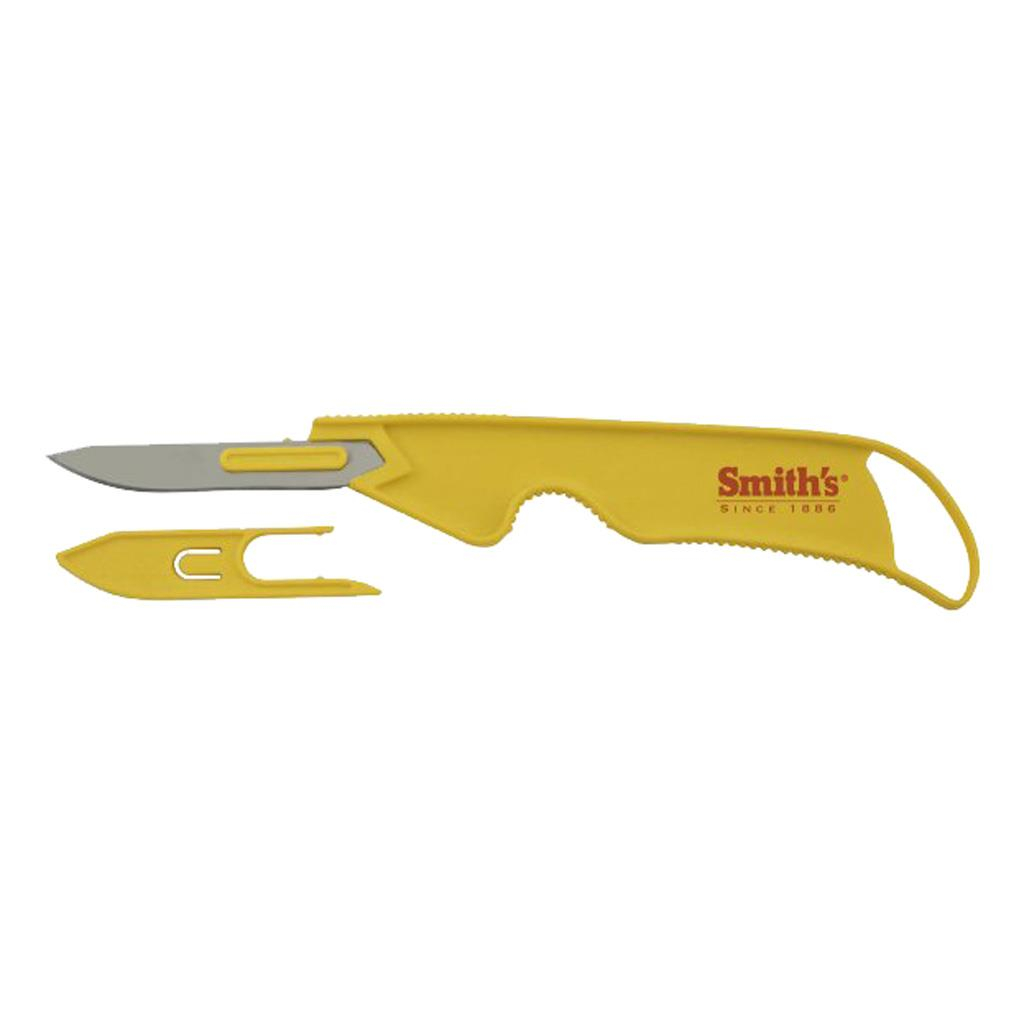
The Smith Field Caping Knives are Smith’s offering for those seeking a lightweight and disposable solution for field dressing game. Priced at a mere $9.99, they promise surgical-grade sharpness in a package designed for convenience and portability. I was intrigued by the promise of a razor-sharp, disposable blade for delicate caping work, especially given the challenges I’ve faced maintaining a keen edge on my traditional hunting knives in the field.
My primary need was for a reliable, lightweight knife specifically for caping, something I could easily pack without adding significant weight to my hunting pack. I’ve struggled with keeping my usual hunting knife surgically sharp during multi-day hunts, often resorting to touch-ups with a field sharpener that never quite gets the edge where I need it.
Upon unboxing, the first thing I noticed was the incredibly light weight of the Smith Field Caping Knives. The construction felt minimalist, focused on function over aesthetics, and the protective blade cover seemed adequate for safe storage.
I considered a few alternatives, including replaceable blade knives from other brands, but the low cost and disposability of the Smith option appealed to my desire for a simple, no-fuss solution. The Smith Field Caping Knives seemed like a worthwhile gamble, especially compared to knives needing constant sharpening. My initial excitement was tempered with a bit of skepticism, as I wondered how well a disposable blade could truly perform compared to a well-maintained, traditional blade.
Real-World Testing: Putting Smith Field Caping Knives to the Test
First Use Experience
My initial test occurred during a late-season whitetail hunt in the rugged hills of Pennsylvania. I used the Smith Field Caping Knife to carefully skin the head and neck area for a shoulder mount.
The knife performed surprisingly well in the cold, damp conditions, maintaining a decent grip even with slightly wet hands. The blade’s sharpness allowed for precise cuts around the eyes, ears, and nose, reducing the risk of damaging the hide. I was initially impressed with its ease of use, requiring no real getting-used-to period, and the blade made accurate cuts. However, the light weight also made it feel a little less secure in my grip compared to my heavier, full-tang knife.
Extended Use & Reliability
After using the Smith Field Caping Knife on several subsequent hunts and processing a few smaller game animals, I found its limitations became more apparent. The edge dulled faster than expected, requiring more frequent replacements than initially anticipated.
While the blade remained functional, the surgical sharpness diminished significantly after caping just one deer, and the plastic handle showed some minor scratches and wear. Cleaning was relatively easy, but I did notice some staining on the handle from blood and tissue. Compared to my experiences with high-end hunting knives, the Smith Field Caping Knives definitely fall short in terms of durability and edge retention.
Breaking Down the Features of Smith Field Caping Knives
Specifications
The Smith Field Caping Knives offer a specific set of features aimed at simplicity and functionality.
- Surgical Grade Steel Blade: This implies a high level of sharpness for precise cuts, critical for caping. The steel grade, however, isn’t specified, leaving some question as to its actual edge retention capabilities.
- Lightweight Construction: This emphasizes portability and ease of handling, especially important when working in the field. While beneficial for carry, it can also detract from the overall feel of control.
- Protective Blade Cover: This enhances safety during storage and transport, preventing accidental cuts. The cover’s durability is crucial for long-term use and protection.
- Lanyard Loop: Provides a convenient way to attach the knife to a lanyard or carabiner, keeping it readily accessible. A simple but practical addition for field use.
These specifications are important because they define the intended use case: a lightweight, disposable tool for precise, short-term caping tasks.
Performance & Functionality
The Smith Field Caping Knives are designed to perform specific tasks well.
The blade’s initial sharpness allows for clean and precise cuts, which is crucial for achieving a professional-looking cape. However, the rapid dulling of the blade significantly impacts its overall reliability and long-term usability. The knife generally meets expectations for a single-use caping task, but falls short in extended use situations.
Design & Ergonomics
The design of the Smith Field Caping Knives prioritizes function over form.
The lightweight plastic handle is comfortable enough for short periods, but it lacks the ergonomic shaping and texturing found on more expensive knives. The knife is user-friendly, with no learning curve involved; however, some may find the handle too small for a secure grip, especially with gloved hands.
Durability & Maintenance
The disposable nature of the Smith Field Caping Knives means durability is not a primary concern.
The blade is prone to dulling and the handle is susceptible to scratches and staining, indicating a limited lifespan. Maintenance is minimal, as the knife is designed to be discarded once the blade becomes too dull or the handle becomes damaged.
Accessories and Customization Options
The Smith Field Caping Knives are a standalone product with limited accessory or customization options.
The knife comes with a protective blade cover, which is essential for safe storage and transport. There are no other included accessories or customization options available, as the knife is intended to be used as-is and then discarded.
Pros and Cons of Smith Field Caping Knives
Pros
- Extremely affordable – At $9.99, it’s a budget-friendly option.
- Surgical-grade sharpness – Initial sharpness allows for clean, precise cuts.
- Lightweight and portable – Easy to carry in a hunting pack or pocket.
- Disposable – Eliminates the need for sharpening in the field.
- Protective blade cover – Enhances safety during storage and transport.
Cons
- Poor edge retention – Blade dulls quickly, limiting its usefulness.
- Limited durability – Handle is prone to scratches and staining.
- Non-ergonomic handle – Can be uncomfortable for extended use or with gloved hands.
Who Should Buy Smith Field Caping Knives?
The Smith Field Caping Knives are perfect for:
- Hunters on a very tight budget seeking a backup caping knife.
- Individuals needing a disposable, single-use blade for small game processing.
- Those prioritizing convenience and portability over long-term durability.
Who should skip this product?
- Professional guides or taxidermists requiring a reliable, high-performance caping knife.
- Hunters processing multiple animals in a single outing.
- Individuals seeking a durable, long-lasting tool for repeated use.
Must-have accessories or modifications?
- A small sharpening steel might extend the blade’s usable life, albeit minimally.
- Extra Smith Field Caping Knives are a must, given their disposable nature.
Conclusion on Smith Field Caping Knives
The Smith Field Caping Knives offer a budget-friendly solution for caping tasks, but their limited durability and rapid dulling of the blade are significant drawbacks. At $9.99, the price is certainly justified for a single-use, disposable option.
I would cautiously recommend the Smith Field Caping Knives as a backup option for hunters on a very tight budget, but I strongly advise against relying on them as a primary caping tool. For serious hunters and professionals, investing in a higher-quality, more durable knife is a worthwhile investment. Carry a few, use them sparingly, and understand their limitations.