
First Thoughts on the Quaker Boy Turkey Diaphragm Call w/Two Light Reeds
The Quaker Boy Turkey Diaphragm Call w/Two Light Reeds promises to be a budget-friendly entry point into the world of turkey hunting. The Quaker Boy name carries a certain weight, suggesting at least a basic level of quality, even at the lower end of the price spectrum. This call, with its two light reeds, aims to replicate the subtle and enticing sounds needed to lure a gobbler into range.
I was searching for an inexpensive practice call, something I could use to hone my skills without risking damage to my higher-end, custom calls. I wanted a call that would allow me to work on my yelps, clucks, and purrs without the pressure of a hunt. The low price point of the Quaker Boy Turkey Diaphragm Call w/Two Light Reeds, at just $6.49, made it an easy decision.
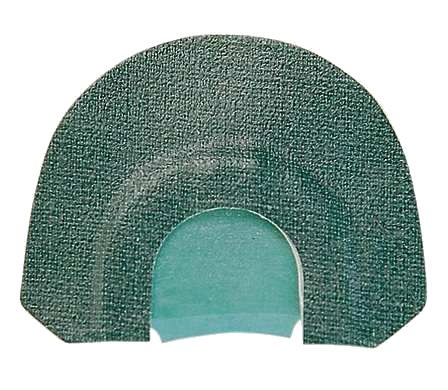
The call comes new in box, as advertised. My initial impression was that it’s a very basic call, which is expected at this price point. The frame felt a little flimsy, and the tape covering the reeds didn’t seem exceptionally durable. However, I reminded myself that this was intended as a practice tool, not a competition-grade instrument.
Compared to my Woodhaven and Primos diaphragm calls, the Quaker Boy feels significantly less refined. Those calls have tighter frames, higher quality tape, and more precise reed cuts. I chose the Quaker Boy for its affordability and the fact that it was readily available; the others are calls I protect religiously in the field.
Initially, I was cautiously optimistic. The price was right, and I hoped it would serve its purpose as a practice call. I wasn’t expecting perfection, but I was hoping for a usable sound that would allow me to refine my calling techniques.
Real-World Testing: Putting Quaker Boy Turkey Diaphragm Call w/Two Light Reeds to the Test
First Use Experience
I tested the Quaker Boy Turkey Diaphragm Call w/Two Light Reeds primarily in my garage and backyard. This allowed me to focus on the sound and feel of the call without the distractions of the woods. I also took it on a scouting trip to a local wildlife management area, but primarily for practice blowing the call in a natural setting, not to actually hunt.
The call was difficult to use consistently in different weather conditions. The reeds seemed to become overly sensitive to moisture, causing them to stick together and produce squeaky, inconsistent sounds. A little drier weather seemed to help, but overall, the call’s sensitivity to weather was extremely frustrating.
The ease of use was definitely a problem. It took me a significant amount of time to produce even a passable yelp, and achieving consistent clucks and purrs proved even more challenging. The two light reeds seemed to require an extremely precise amount of air pressure and tongue control, making it a difficult call for beginners.
My first impression after using the call was disappointment. It was far more challenging to use than I anticipated. The inconsistent sounds and difficulty in producing realistic calls left me questioning its value, even as a practice tool.
Extended Use & Reliability
After several weeks of sporadic use, the Quaker Boy Turkey Diaphragm Call w/Two Light Reeds has held up okay, but its performance hasn’t improved. The tape is starting to peel slightly, and the reeds still exhibit the same inconsistencies as when I first started using it. It is not a durable call.
The call has shown minimal signs of wear and tear, but this is more due to its limited use than its inherent durability. The frame seems relatively robust, but the reeds and tape are clearly the weak points. The tape is peeling and likely will need replacement in time.
Maintenance is minimal; I’ve simply wiped it down with a dry cloth after each use. However, the sticky reeds require constant attention and adjustment, which is frustrating. I have noticed a slight improvement in its longevity by storing it in a cool, dry location.
Compared to my experiences with higher-quality calls, the Quaker Boy falls far short. My Woodhaven and Primos calls produce consistent, realistic sounds, and they require minimal maintenance. The Quaker Boy is, by comparison, a frustrating and unreliable tool.
Breaking Down the Features of Quaker Boy Turkey Diaphragm Call w/Two Light Reeds
Specifications
The Quaker Boy Turkey Diaphragm Call w/Two Light Reeds is a mouth call designed to mimic the sounds of a wild turkey. It features a horseshoe-shaped frame, two thin latex reeds, and tape securing the reeds to the frame. The call measures approximately 2 inches in diameter and weighs less than an ounce. There are no “special features.”
These specifications impact the call’s performance. The two light reeds are intended to produce higher-pitched, more subtle sounds, but in practice, they are difficult to control. The lightweight design makes it easy to carry, but it also contributes to the call’s flimsy feel.
Performance & Functionality
The Quaker Boy Turkey Diaphragm Call w/Two Light Reeds struggles to consistently produce realistic turkey sounds. While it can be used to create basic yelps, clucks, and purrs, achieving consistent and convincing sounds requires significant practice and skill. I would call the performance sub-par at best.
The call’s main weakness is its inconsistency. The reeds are prone to sticking together, producing squeaks and squawks instead of the desired turkey vocalizations. It is hard to meet expectations with this call.
Design & Ergonomics
The build quality is basic, reflecting the call’s low price point. The frame feels somewhat flimsy, and the tape securing the reeds appears to be of low quality. It’s designed to be comfortable in the mouth, but the rigid frame can become uncomfortable after extended use.
The call isn’t particularly user-friendly, especially for beginners. The two light reeds require precise air pressure and tongue control. There is most certainly a significant learning curve.
Durability & Maintenance
The Quaker Boy Turkey Diaphragm Call w/Two Light Reeds isn’t designed for long-term durability. The reeds are delicate and prone to damage, and the tape is likely to peel over time. With proper care, it might last a season or two, but it’s not a call built to withstand heavy use.
Maintenance is relatively simple, involving only wiping the call down with a dry cloth after each use. However, replacing the reeds and tape will likely be necessary at some point, which can be a fiddly and time-consuming process. There are no options for repair.
Accessories and Customization Options
The Quaker Boy Turkey Diaphragm Call w/Two Light Reeds comes with no accessories. There are no customization options available for this call. You could, theoretically, replace the reeds, but at this price point, it’s more economical to simply buy a new call. It is compatible with no aftermarket add-ons.
Pros and Cons of Quaker Boy Turkey Diaphragm Call w/Two Light Reeds
Pros
- Very inexpensive, making it an accessible entry point to diaphragm calls.
- Lightweight and easy to carry.
- Can potentially produce basic turkey sounds with practice.
Cons
- Inconsistent sound quality due to sticky reeds.
- Difficult to use, especially for beginners.
- Low durability, with a high risk of reed damage.
Who Should Buy Quaker Boy Turkey Diaphragm Call w/Two Light Reeds?
The Quaker Boy Turkey Diaphragm Call w/Two Light Reeds is perfect for someone who wants to experiment with diaphragm calls without investing a lot of money. It could also be useful as a backup call for experienced hunters who are willing to deal with its limitations.
Those who should skip this product are serious turkey hunters who demand consistent, realistic sounds. Beginners who are easily frustrated should also avoid this call. It is also not advisable for those hunting in wet conditions.
A must-have modification would be replacing the tape with a higher quality, waterproof version. Beyond that, there are really no viable upgrades for this call.
Conclusion on Quaker Boy Turkey Diaphragm Call w/Two Light Reeds
The Quaker Boy Turkey Diaphragm Call w/Two Light Reeds is a very basic, budget-friendly option for turkey hunters. While it offers an accessible entry point into diaphragm calling, its inconsistent sound quality and low durability limit its usefulness.
At $6.49, the price is certainly justified for what you get. However, the performance may leave you wanting more.
I would only recommend it to those who are simply curious about diaphragm calls and don’t want to spend a lot of money. For serious turkey hunters, investing in a higher-quality call from a reputable brand is a much better option. Try another product.