
First Thoughts on the Quaker Boy Grunt Call
The Quaker Boy Grunt Call promises to be a revolutionary tool for deer hunters. Quaker Boy claims its unique design mimics a buck’s esophagus to produce incredibly realistic grunts. This caught my attention because, after a decade in the field, I’ve found that realism is the key to fooling mature bucks.
I was looking for a grunt call that could reliably reproduce a range of vocalizations, from young buck bleats to the deep, guttural grunts of an older, more dominant animal. My previous calls often sounded artificial, spooking more deer than they attracted. The promise of a more natural sound profile drew me to the Quaker Boy Grunt Call.
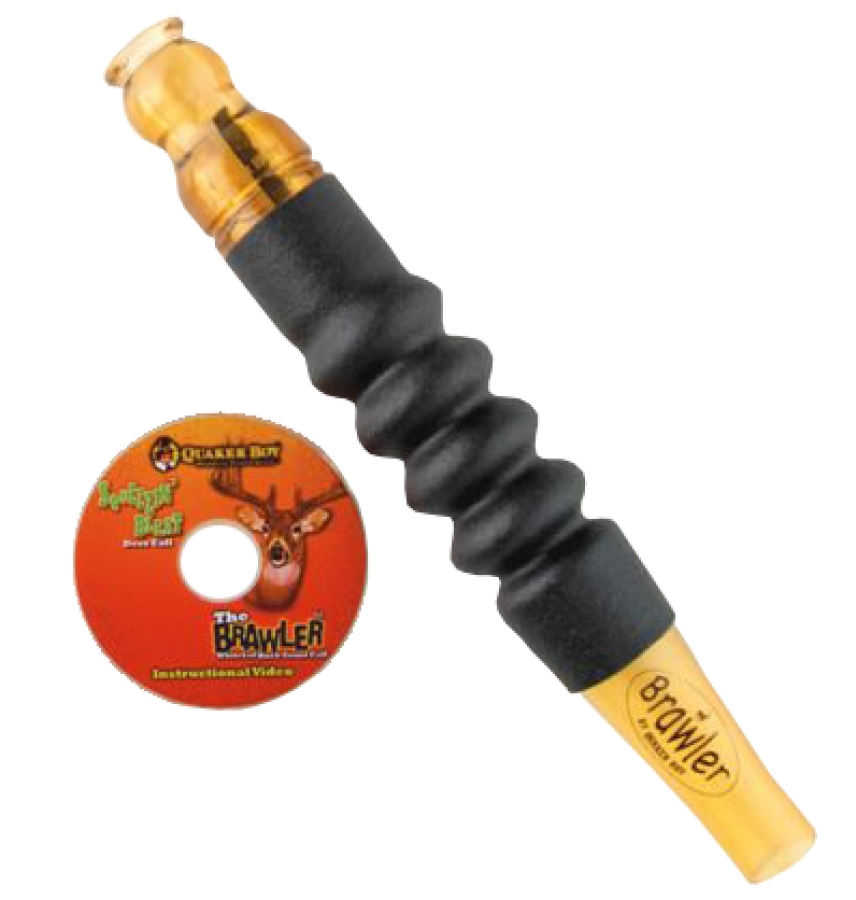
Unboxing the call, the first thing I noticed was the unique tube design. It feels lightweight but sturdy, and the reverse cone at the end immediately sets it apart from the cylindrical calls I’m used to. The build quality seems solid, suggesting it can withstand the rigors of the hunt.
Compared to my Primos Buck Roar and Flextone Bone Collector calls, the Quaker Boy Grunt Call‘s unconventional design is the most striking difference. While those calls rely on a more traditional reed and tube system, the Quaker Boy aims for anatomical accuracy. I chose this call hoping its novel approach would translate to a more convincing sound.
My first impression was a mix of intrigue and cautious optimism. The design is certainly innovative, but the true test would be how it performs in the field. I was eager to get it into the woods and see if it lived up to the hype.
Real-World Testing: Putting Quaker Boy Grunt Call to the Test
First Use Experience
I tested the Quaker Boy Grunt Call during the early archery season in the Appalachian foothills of western Pennsylvania. The weather was typical for October: cool mornings and mild afternoons with varying levels of humidity. I used the call from my treestand overlooking a known deer crossing.
The call performed reasonably well in the dry conditions, producing clear and distinct grunts. However, in the slightly damp morning air, the sound became a bit muffled. It took some experimentation to get the right amount of air and tongue pressure to produce a consistent sound. I initially struggled to replicate the full range of grunts (Quaker Boy claims).
After a few hours, I was surprised when a small buck responded to a series of tending grunts. He circled downwind, cautiously approaching, but ultimately didn’t offer a shot opportunity. It was a positive first sign, even though I wasn’t able to harvest the animal.
Extended Use & Reliability
After a full season of use, the Quaker Boy Grunt Call has held up surprisingly well. Despite being exposed to rain, snow, and freezing temperatures, the plastic tube hasn’t cracked or warped. The reverse cone end shows no signs of wear or damage.
Cleaning the call is simple: just blow through it to remove any moisture or debris. I haven’t needed to disassemble it for deep cleaning. Compared to my older calls, which require regular reed adjustments and occasional replacement, the Quaker Boy is much easier to maintain.
In terms of performance, the call hasn’t drastically outperformed my previous calls. However, it offers a unique sound profile that I believe can be effective in certain situations. It seems particularly effective for attracting curious young bucks.
Breaking Down the Features of Quaker Boy Grunt Call
Specifications
The Quaker Boy Grunt Call is constructed with a durable molded plastic tube. The key feature is its reverse cone design. This reverse cone design is intended to mimic the mouth of a buck. It aims to produce more realistic and variable grunts.
The call weighs approximately 2 ounces, making it lightweight and easy to carry. Its tube measures approximately 6 inches in length, which provides ample resonating space for sound production. The esophagus mimicking tube design is what differentiates this call. It separates the call from standard calls.
These specifications are important because they contribute to the call’s overall sound quality and ease of use. The lightweight construction ensures that it won’t weigh you down in the field. Its unique tube design promises to produce a range of authentic buck vocalizations.
Performance & Functionality
The Quaker Boy Grunt Call performs its intended function of mimicking buck grunts reasonably well. It can produce a variety of sounds, from young buck bleats to deeper, more aggressive grunts. The realism of the sound is where it sometimes falls short, requiring practice to master.
The call’s main strength is its unique sound profile, which can be effective in attracting curious deer. However, its main weakness is the learning curve required to produce consistent and authentic sounds. With practice, it can be an effective tool, but it’s not as simple to use as some other calls.
The Quaker Boy Grunt Call mostly meets my expectations. I expected a realistic grunt call, but there are realistic grunt calls that provide similar sound without the learning curve. This one requires practice.
Design & Ergonomics
The Quaker Boy Grunt Call features a simple yet functional design. The molded plastic tube is durable and comfortable to hold. The reverse cone end is unique and contributes to the call’s overall sound quality.
The call is generally user-friendly, but it does require some practice to master. The learning curve isn’t steep, but it is present. New users should expect to spend some time experimenting with different air pressures and tongue positions to produce the desired sounds.
Durability & Maintenance
The Quaker Boy Grunt Call appears to be reasonably durable and should last for several seasons with proper care. The molded plastic construction is resistant to cracking and warping. The reverse cone end is also well-protected and unlikely to be damaged.
Maintenance is minimal: simply blow through the call after each use to remove any moisture or debris. If necessary, the call can be disassembled for deeper cleaning, but this is rarely required. The call’s simple design makes it easy to maintain and repair.
Accessories and Customization Options
The Quaker Boy Grunt Call doesn’t come with any additional accessories. There are no customization options available for this particular model. It is a standalone product designed to be used as is.
The Quaker Boy Grunt Call is not designed to be compatible with accessories from other brands. It is a self-contained unit that doesn’t require any additional components. This simplicity is both a strength and a weakness.
Pros and Cons of Quaker Boy Grunt Call
Pros
- Unique Sound Profile: Offers a distinctive buck grunt that can pique the curiosity of deer.
- Durable Construction: Made from sturdy molded plastic that can withstand the rigors of the hunt.
- Simple Maintenance: Easy to clean and maintain, requiring minimal effort.
- Lightweight and Portable: Easy to carry in a pocket or pack without adding bulk.
- Affordable Price: A budget-friendly option for hunters seeking a new grunt call.
Cons
- Learning Curve: Requires practice to master and produce consistent, authentic sounds.
- Limited Versatility: Lacks the range of vocalizations offered by some more advanced calls.
Who Should Buy Quaker Boy Grunt Call?
The Quaker Boy Grunt Call is perfect for novice deer hunters looking for an affordable and durable grunt call. It’s also a good option for experienced hunters who want to add a unique sound profile to their arsenal. It’s also useful for hunters looking for a simple, easy to maintain call.
This product might not be the best choice for hunters who demand the highest level of realism and versatility. Also, hunters who aren’t willing to invest the time in learning to use the call effectively should pass on this one.
A lanyard is a must-have accessory for this call, allowing you to keep it readily accessible around your neck. Otherwise, no specific modifications are necessary, as the call is designed to be used as is.
Conclusion on Quaker Boy Grunt Call
The Quaker Boy Grunt Call offers an intriguing approach to mimicking buck vocalizations. Its unique design and durable construction make it a worthwhile option for budget-conscious hunters. However, the learning curve and limited versatility may deter some users.
The price of $20.49 is justified for what it offers: a durable and unique grunt call. It’s not a top-of-the-line product, but it provides good value for the money. The call is definitely recommended, with the caveat that users should be prepared to invest some time in mastering its use.
If you’re looking for an affordable grunt call with a unique sound, give the Quaker Boy Grunt Call a try. Just remember to practice and experiment with different techniques to unlock its full potential. Happy hunting!