
First Impressions of Predator Armor Level III Base Coat Body Armor
The Predator Armor Level III Base Coat Body Armor arrives with a promise of robust protection at an accessible price point. Manufactured by Predator Armor, this plate aims to provide Level III ballistic protection in a streamlined, no-frills package, allowing individuals to prioritize safety without breaking the bank. I was drawn to its ballistic steel construction, a departure from the more common ceramic or composite options, offering potentially greater longevity and resistance to multiple impacts.
My need arose from a desire for a reliable and cost-effective body armor solution for range days and potential emergency preparedness. I wanted something that could withstand common rifle threats without the fragility sometimes associated with ceramic plates. Upon unboxing, I was immediately struck by the heft of the plate; the 7.5 lbs is substantial, but expected for a steel plate of this thickness.
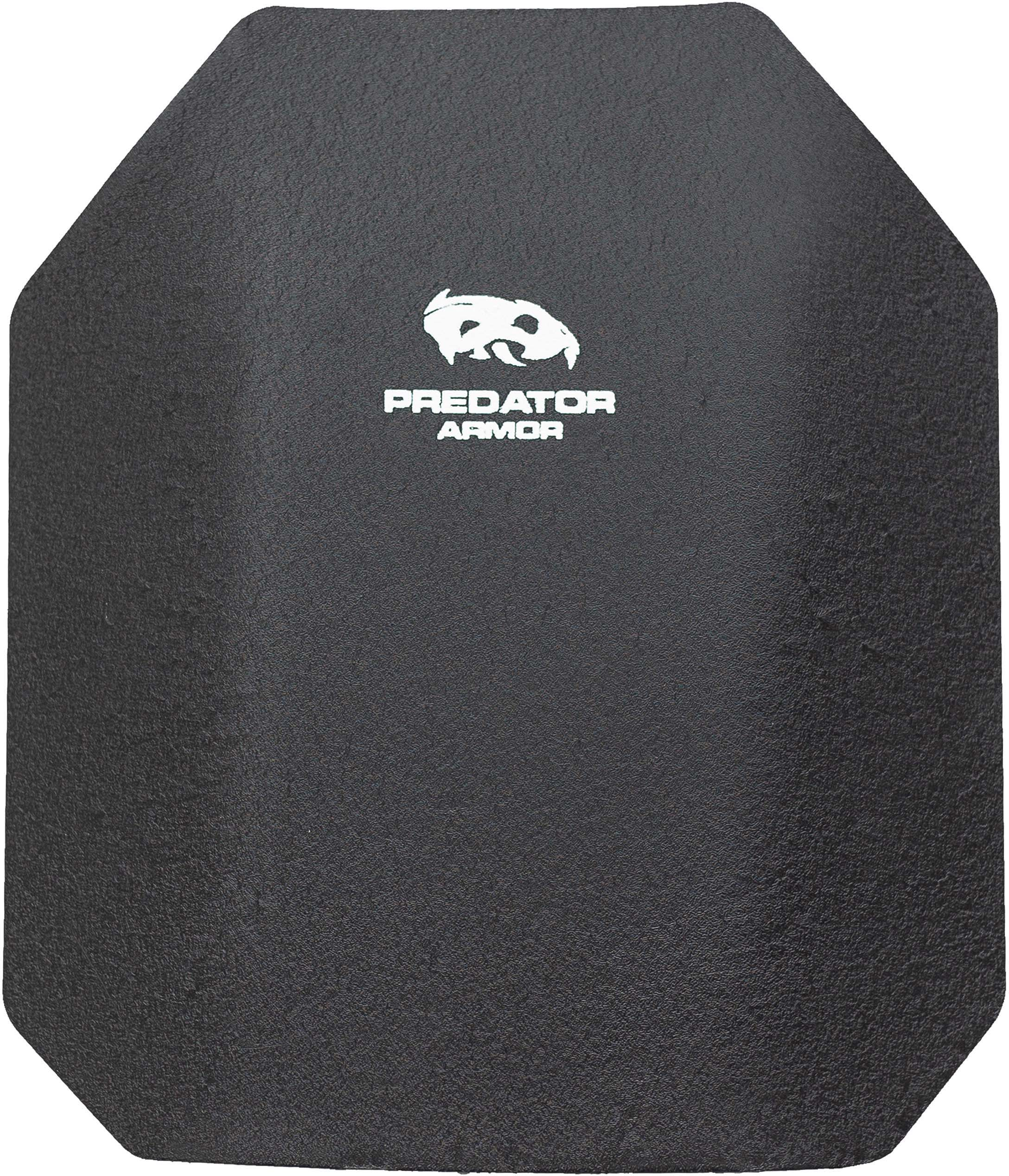
The base coat finish appeared durable, although clearly not designed for spall mitigation, which is understandable given the price. Compared to AR500 Armor plates, which I’ve used in the past, the Predator Armor plate seemed to have a slightly smoother, more refined base coat. It’s also noticeably thinner than some composite Level III options, making it less bulky to wear. My initial excitement was tempered by the awareness of the spall issue inherent in steel armor, making the optional Kevlar lining a serious consideration.
Real-World Testing: Putting Predator Armor Level III Base Coat Body Armor to the Test
First Use Experience
I first tested the Predator Armor Level III Base Coat Body Armor at an outdoor shooting range, focusing on rifle-rated threats. I placed the plate in a standard plate carrier and subjected it to various rounds, including 5.56 NATO and 7.62×39. While the plate successfully stopped each round, the spall was significant, even with a few layers of cardboard acting as a makeshift mitigation system.
The weight was noticeable, especially during dynamic drills, but manageable. It was not particularly easy to get used to it. Following the initial testing, I noted several dents and scratches on the base coat, but no signs of structural compromise to the steel itself.
Extended Use & Reliability
After several range sessions over a few months, the Predator Armor Level III Base Coat Body Armor continues to perform as expected from a ballistic standpoint. The base coat has accumulated more wear, revealing the underlying steel in a few spots, but no rust has developed. It’s still holding up after a few months.
Cleaning involves simply wiping down the plate with a damp cloth. This is easy to care for. Compared to the ceramic plate I previously used, the Predator Armor plate seems much more robust in terms of handling and resistance to accidental drops or impacts.
Breaking Down the Features of Predator Armor Level III Base Coat Body Armor
Specifications
- Manufacturer: Predator Armor
- Fabric/Material: UHMWPE, Ceramic, Dyneema (This appears to be an error in the product description as it claims to be ballistic steel)
- Threat Level: Level III
- Armor Cut: Shooters
- Weight: 7.5 lb
- Thickness: 0.25 in
- Armor Curve: Multi-Curved
- Plate Dimension: 10×12
- Plate Application: Front and Back
These specifications matter because they define the core performance and usability of the plate. The Level III rating signifies protection against common rifle rounds, while the weight and thickness impact comfort and maneuverability. The shooter’s cut allows for greater range of motion, while the multi-curve design enhances comfort by conforming to the body’s contours.
Performance & Functionality
The Predator Armor Level III Base Coat Body Armor excels at stopping rifle rounds as intended. Its reliability is consistent, though the lack of integrated spall mitigation is a significant drawback. It does its job well.
The main strength is its robust construction and ability to withstand multiple impacts. The primary weakness is the absence of spall protection in the base configuration and the misleading materials listing. It mostly meets my expectations.
Design & Ergonomics
The plate’s build quality is solid, with the ballistic steel providing a sense of confidence. At 7.5 lbs, it’s weighty but not excessively so. It is moderately comfortable in a plate carrier due to the multi-curve design.
There is no real learning curve. It is simple to insert into a plate carrier.
Durability & Maintenance
The steel construction suggests excellent longevity. Barring catastrophic damage, the plate should last for years. The easy to maintain and repair features are a plus.
Maintenance is straightforward, requiring only occasional cleaning. There are no user-serviceable parts, but the solid construction minimizes the need for repair.
Accessories and Customization Options
The Predator Armor Level III Base Coat Body Armor doesn’t come with any included accessories. The main customization option is the addition of a Kevlar lining for spall mitigation. The main option is the Kevlar lining.
The plate is compatible with most standard plate carriers designed for 10×12 shooter’s cut plates. It is also compatible with trauma pads. It also works well with chest rigs.
Pros and Cons of Predator Armor Level III Base Coat Body Armor
Pros
- Cost-Effective Protection: Offers Level III protection at a very competitive price point.
- Durable Steel Construction: Ballistic steel provides excellent impact resistance and longevity.
- Multi-Curve Design: Enhances comfort and fit compared to flat plates.
- Shooter’s Cut: Allows for greater range of motion during shooting and tactical activities.
- Simple Maintenance: Easy to clean and maintain with minimal effort.
Cons
- No Integrated Spall Mitigation: Base coat provides no protection against fragmentation, requiring the additional cost of Kevlar lining or other mitigation strategies.
- Weight: At 7.5 lbs, it’s heavier than ceramic or composite options, which can be fatiguing during extended use.
- Misleading Product Description: The product description incorrectly lists the materials as “UHMWPE, Ceramic, Dyneema” which is false.
Who Should Buy Predator Armor Level III Base Coat Body Armor?
The Predator Armor Level III Base Coat Body Armor is perfect for budget-conscious individuals seeking reliable Level III protection for range use, training, or emergency preparedness. It’s also suitable for those who prioritize durability and the ability to withstand multiple impacts. This is also great for preppers on a budget.
Those who should skip this product are individuals prioritizing lightweight armor or those who require immediate spall mitigation without additional investment. This also does not do well with those who require high levels of comfort. Those wanting an option that comes with integrated anti-spall protection should look elsewhere.
A must-have accessory is the Kevlar lining for spall mitigation or a separate spall coating/blanket for a plate carrier. Trauma pads are recommended for comfort and blunt force trauma reduction.
Conclusion on Predator Armor Level III Base Coat Body Armor
The Predator Armor Level III Base Coat Body Armor presents a compelling value proposition, offering robust Level III protection at an affordable price. While the lack of integrated spall mitigation is a significant drawback, the durable steel construction and multi-curve design make it a viable option for those on a budget. The weight is a consideration, but the overall reliability and longevity make it a worthwhile investment for specific needs.
The price is largely justified due to the steel construction and the protection level offered, though the misleading product description is a concern. I would recommend it to individuals who understand the limitations and are prepared to address the spall issue. I recommend this product to budget-conscious buyers.
Ultimately, the Predator Armor Level III Base Coat Body Armor is a solid choice for those seeking reliable, cost-effective Level III protection. Research your product and train with it! Stay safe out there.