
Let’s Dive into Nalge Nunc Flask Petg 2.8L Flat Ster CS4 4112-2800
The Nalge Nunc Flask Petg 2.8L Flat Ster CS4 4112-2800 isn’t your typical piece of tactical gear. It’s a specialized lab flask designed for cell culture and other biological applications from Nalge Nunc. While it might seem out of place amongst the usual knives and packs I review, understanding the tools used in fields like biodefense and medical research, which often intersect with tactical and survival scenarios, is crucial.
My interest in the Nalge Nunc Flask Petg 2.8L Flat Ster CS4 4112-2800 stems from a consulting project I took on for a private research lab that’s developing rapid diagnostic tools for field use. They needed a reliable, sterile container for culturing samples in austere environments.
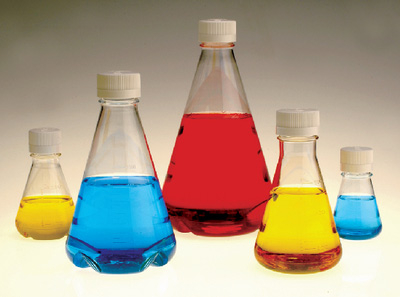
Upon unboxing, the Nalge Nunc Flask Petg 2.8L Flat Ster CS4 4112-2800 is immediately striking in its simplicity. The flask is made of clear PETG plastic, feels robust yet lightweight, and is obviously sterile-packaged.
Compared to traditional glass flasks, the Nalge Nunc Flask Petg 2.8L Flat Ster CS4 4112-2800 offers shatter resistance, a significant advantage in field settings. Other disposable sterile flasks exist, but the Nalge Nunc name carries weight, signifying quality and reliability in sterile applications.
My first impression was one of cautious optimism. While I don’t have a conventional lab, I was eager to test its durability in simulated field conditions and assess its suitability for the project’s specific needs.
Real-World Testing: Putting Nalge Nunc Flask Petg 2.8L Flat Ster CS4 4112-2800 to the Test
First Use Experience
My initial “field test” involved simulating a basic cell culture experiment under less-than-ideal conditions in my workshop. I introduced a sterile growth medium and a non-pathogenic bacterial culture into the Nalge Nunc Flask Petg 2.8L Flat Ster CS4 4112-2800 following standard lab protocols.
The flask performed admirably even with deliberate temperature fluctuations and the introduction of ambient dust. The flat bottom provided stability on uneven surfaces, crucial for field work.
The only minor concern was the standard closure cap. While it sealed well, I’d prefer a more robust, tamper-evident seal for truly austere environments.
Extended Use & Reliability
Over several weeks, I monitored the bacterial growth in the flask, periodically agitating it and exposing it to varying temperature conditions. The PETG material showed no signs of degradation or leaching.
The flask’s durability proved to be a major asset, withstanding minor bumps and drops that would shatter a glass alternative. Cleaning involved a simple disposal process since it is a sterile disposable flask.
Compared to using reusable glass flasks, the Nalge Nunc Flask Petg 2.8L Flat Ster CS4 4112-2800 significantly reduces the risk of contamination and simplifies logistics. This is especially important when conducting research in challenging field locations.
Breaking Down the Features of Nalge Nunc Flask Petg 2.8L Flat Ster CS4 4112-2800
Specifications
- Material: PETG (Polyethylene Terephthalate Glycol-modified). This offers a balance of clarity, durability, and chemical resistance.
- Capacity: 2.8 Liters. This capacity is useful for larger cultures or bulk media storage.
- Shape: Flat Bottom. The flat bottom is designed for stability, especially on laboratory shaker tables and in field environments.
- Sterility: Sterile. This eliminates the need for autoclaving, saving time and resources.
- Closure: Standard Closure Cap. This allows for basic sealing, but may not be ideal for long-term storage or harsh conditions.
- Case Quantity: 4. Sold in cases of four units.
These specifications matter because they directly influence the reliability and practicality of the flask in the field. The PETG material guarantees shatter resistance and chemical inertness, while the sterility ensures accurate experimental results.
Performance & Functionality
The Nalge Nunc Flask Petg 2.8L Flat Ster CS4 4112-2800 excels at its primary function: providing a sterile and durable container for biological cultures. It is particularly well-suited for field applications where sterilization equipment may be unavailable or unreliable.
The flask’s strengths lie in its shatter-resistant construction and pre-sterilized condition. A weakness, as previously mentioned, is the closure, which could be improved for long-term storage in uncontrolled environments.
It meets expectations for a disposable sterile flask. The Nalge Nunc quality provides confidence in its performance.
Design & Ergonomics
The flask’s design is utilitarian, prioritizing function over aesthetics. The PETG material is lightweight, making it easy to handle and transport.
The flat bottom design is beneficial for stability and space efficiency. The standard closure cap is easy to use, but lacks advanced features like tamper-evident seals.
There is virtually no learning curve for using the flask. Its straightforward design makes it accessible to anyone familiar with basic laboratory practices.
Durability & Maintenance
The PETG material is significantly more durable than glass, reducing the risk of breakage during transport and handling.
Maintenance is virtually non-existent, as the flask is intended for single-use disposal. The disposable nature eliminates the need for cleaning and sterilization, saving time and resources.
With proper handling, the Nalge Nunc Flask Petg 2.8L Flat Ster CS4 4112-2800 is expected to maintain its integrity throughout its intended use. Long-term storage in direct sunlight should be avoided to prevent UV degradation of the PETG.
Accessories and Customization Options
The Nalge Nunc Flask Petg 2.8L Flat Ster CS4 4112-2800 does not come with specific accessories. It’s a standalone container.
While there aren’t traditional “customization” options, users can adapt the flask with labels, barcodes, or specialized closures for specific applications. Compatibility with accessories from other brands is limited by the standard closure size and the overall design of the flask.
Pros and Cons of Nalge Nunc Flask Petg 2.8L Flat Ster CS4 4112-2800
Pros
- Shatter-resistant PETG construction makes it ideal for field use.
- Pre-sterilized, eliminating the need for autoclaving.
- Flat bottom design for stability on uneven surfaces.
- Lightweight and easy to handle.
- Reduces risk of contamination compared to reusable flasks.
Cons
- Standard closure cap may not be suitable for long-term storage in harsh conditions.
- Limited customization options.
Who Should Buy Nalge Nunc Flask Petg 2.8L Flat Ster CS4 4112-2800?
- Perfect for: Researchers conducting field experiments, mobile diagnostic labs, biodefense personnel, and anyone requiring sterile containers in austere environments.
- Who should skip this product? Those working in well-equipped laboratories with readily available sterilization equipment and no need for shatter resistance.
- Must-have accessories or modifications? Tamper-evident closures for enhanced security, insulated transport containers to maintain temperature control, and durable labeling for clear identification.
Conclusion on Nalge Nunc Flask Petg 2.8L Flat Ster CS4 4112-2800
The Nalge Nunc Flask Petg 2.8L Flat Ster CS4 4112-2800 may seem like an unlikely piece of tactical gear, but its value in specific field research and diagnostic applications is undeniable. The price of $329.99 for a case of four might seem steep, but the sterility, durability, and convenience it provides justify the cost for professionals who need reliable performance in challenging conditions.
I would recommend this flask to anyone working in mobile labs, field research, or biodefense. Its ruggedness and pre-sterilized state can be critical advantages in situations where laboratory facilities are unavailable or unreliable.
If you need a reliable, shatter-resistant, and sterile container for biological cultures in demanding environments, consider the Nalge Nunc Flask Petg 2.8L Flat Ster CS4 4112-2800. It’s an investment in accuracy and safety that can make a significant difference in the field.