
Let’s Dive into Museum Replicas North American Frontier Axe
The Museum Replicas North American Frontier Axe evokes a sense of rugged history. It’s a nod to the tools that built this nation, the axes swung by pioneers, loggers, and frontiersmen carving out a life from the wilderness. Museum Replicas aims to capture that spirit with a modern recreation, promising a blend of historical aesthetics and functional design.
I was looking for a reliable camp tool that could handle splitting wood, clearing brush, and potentially serving as a last-ditch defensive item during extended solo backcountry trips. While a modern tactical tomahawk would be a more practical tool, I wanted something with a bit more historical flair.
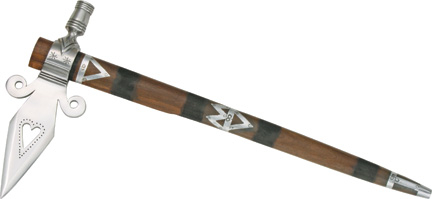
Upon unboxing, the axe has a substantial feel. The weight is noticeable, suggesting it could indeed “easily split a large oak or cherry log,” as the product description claims. The stainless steel head appears robust, and the hardwood handle feels solid in hand, though the finish seems a bit glossy for a truly authentic frontier axe.
I considered a Gransfors Bruks Scandinavian Forest Axe for its proven quality and a Condor Tool & Knife Greenland Pattern Axe for its similar historical design. I chose the Museum Replicas North American Frontier Axe due to its lower price point, making it a more accessible option for testing a historically-inspired design without a large investment. I hoped it would offer a decent balance of form and function.
Initially, I was cautiously optimistic. The axe looked the part, but I was eager to see how it performed.
Real-World Testing: Putting Museum Replicas North American Frontier Axe to the Test
First Use Experience
I took the Museum Replicas North American Frontier Axe on a weekend camping trip to the Pennsylvania wilderness. I intended to use it primarily for processing firewood and clearing a small area for my tent. The weather was dry but cool, with temperatures hovering around 40 degrees Fahrenheit.
The axe performed adequately for splitting smaller pieces of softwood. However, it struggled with larger, knotty sections, requiring multiple swings and a lot more effort than expected. The blade seemed to bind easily, and the handle provided less leverage than I would have liked.
One initial issue was the factory edge. It needed significant sharpening before it would efficiently bite into the wood. I was also surprised by how quickly the factory edge dulled, even when only used on wood.
Extended Use & Reliability
After several weeks of use, the Museum Replicas North American Frontier Axe shows signs of wear on the handle. The factory finish is easily scuffed, and there are some small indentations from missed swings. The head itself remains solid, but I have noticed some minor chipping on the blade’s edge despite regular sharpening.
Maintenance involves cleaning the blade after each use and applying a light coat of oil to prevent rust. I also periodically treat the handle with linseed oil to keep it from drying out and cracking. Sharpening is required more frequently than I’d prefer. The steel doesn’t seem to hold an edge very well.
Compared to my previous experience with a Wetterlings axe, the Museum Replicas North American Frontier Axe is noticeably inferior. It requires more effort, more frequent sharpening, and feels less durable overall.
Breaking Down the Features of Museum Replicas North American Frontier Axe
Specifications
The Museum Replicas North American Frontier Axe features a stainless steel head, which is both a blessing and a curse. Stainless steel resists corrosion but is typically more difficult to sharpen and doesn’t hold an edge as well as high-carbon steel. The handle is made of brown hardwood.
The overall length is 22 inches. This length is decent for a smaller splitting axe but somewhat short for felling larger trees. The blade length is 12 inches. This provides a reasonable cutting surface for splitting and chopping.
The Manufacturer is Museum Replicas. The Handle Finish is listed as “Brown Hardwood”. The Overall Length is 22 inches, and the Blade Length is 12 inches. These specifications are crucial as they dictate the axe’s maneuverability and intended purpose.
Performance & Functionality
The Museum Replicas North American Frontier Axe performs adequately for light-duty tasks like splitting small logs and clearing brush. However, it struggles with more demanding tasks like felling trees or splitting large, knotty logs. The weight distribution feels slightly off, making it less efficient than axes with a more balanced design.
Its strengths lie in its historical appearance and relatively low cost. Its weaknesses include its inferior steel, short handle, and less-than-ideal weight distribution. It meets basic expectations for a budget axe but falls short compared to higher-quality alternatives.
Design & Ergonomics
The build quality is acceptable for the price. The materials used are decent, but the overall construction feels less refined than premium axes. The weight is manageable but could be better distributed. The handle is comfortable enough for short periods of use, but the glossy finish can become slippery when wet.
The axe is relatively user-friendly, but its design does not lend itself to prolonged use. There is a learning curve associated with using any axe, but the Museum Replicas North American Frontier Axe doesn’t offer any particular advantages in terms of ease of use.
Durability & Maintenance
With proper care, the Museum Replicas North American Frontier Axe should last for several years of occasional use. However, it’s unlikely to withstand the rigors of heavy, daily use. The stainless steel head is resistant to rust, but the hardwood handle will require periodic treatment to prevent drying and cracking.
Maintenance primarily involves cleaning, oiling, and sharpening. Sharpening may be required more frequently than with axes made from higher-quality steel.
Accessories and Customization Options
The Museum Replicas North American Frontier Axe does not come with any accessories. There are limited customization options available. The handle could be replaced with a custom-made one, but the stainless steel head is not easily modified.
The axe is not particularly compatible with accessories from other brands. Aftermarket sheaths may be available, but the axe’s unique dimensions might make it difficult to find a perfect fit.
Pros and Cons of Museum Replicas North American Frontier Axe
Pros
- Relatively inexpensive, making it an accessible option for beginners or those on a budget.
- Historically inspired design, providing a visually appealing alternative to modern tactical axes.
- Stainless steel head offers good corrosion resistance.
- Acceptable for light-duty tasks like splitting small logs and clearing brush.
- The Manufacturer, Museum Replicas, does offer a warranty, albeit limited.
Cons
- Stainless steel head does not hold an edge as well as high-carbon steel.
- Short handle provides less leverage than longer axes.
- Weight distribution is less than ideal, making it less efficient for chopping.
- Factory edge requires significant sharpening.
Who Should Buy Museum Replicas North American Frontier Axe?
The Museum Replicas North American Frontier Axe is perfect for casual campers, historical reenactors, or anyone looking for a budget-friendly axe with a vintage aesthetic. It’s suitable for light-duty tasks around the campsite or for display purposes.
This product should be skipped by serious outdoorsmen, professional loggers, or anyone who requires a high-performance axe for demanding tasks. They should invest in a higher-quality axe from a reputable manufacturer like Gransfors Bruks or Wetterlings.
A must-have accessory is a good sharpening stone or file to maintain the blade’s edge. A leather sheath would also be a worthwhile investment to protect the blade and the user.
Conclusion on Museum Replicas North American Frontier Axe
The Museum Replicas North American Frontier Axe is a decent entry-level axe with a historically inspired design. Its low price makes it an attractive option for beginners or those on a tight budget. However, its performance and durability are not on par with higher-quality axes.
The price is somewhat justified, given its aesthetic appeal and basic functionality. But those seeking a truly reliable and high-performing axe should consider investing in a more expensive alternative.
I would recommend it with reservations. For casual use and aesthetic value, it’s acceptable. For serious outdoor tasks, look elsewhere. It fills a niche, but that niche is narrow.