
Let’s Dive into Lancer Adaptive Magwells
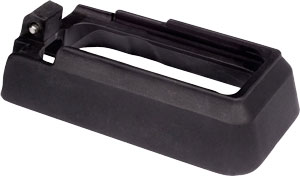
The Lancer Adaptive Magwells, manufactured by Lancer Systems, is designed to enhance the reloading speed of your Mil-Spec AR-15. It promises to provide a wider magwell opening, allowing for faster and more efficient magazine changes. As someone with over a decade of experience in tactical gear, I’m always looking for ways to improve weapon manipulation and efficiency, making the Lancer Adaptive Magwells a natural fit for my testing.
I was seeking a reliable, durable magwell that would improve reload times without sacrificing the rifle’s overall ergonomics or adding unnecessary weight. I remember fumbling a reload during a training exercise a few years back; a faster reload could have made a real difference. My goal was to determine if this magwell truly lives up to its claims, and whether its benefits outweigh any potential drawbacks.
Upon unboxing, the first thing that struck me was the Lancer Adaptive Magwells‘s solid, machined aluminum construction. The weight felt substantial, but not excessive, and the finish was clean and professional. It immediately gave the impression of a quality product designed to withstand the rigors of real-world use.
Before settling on the Lancer Adaptive Magwells, I considered the Magpul Enhanced Magazine Well and the Strike Industries Aluminum Enhanced Magazine Well. I chose the Lancer due to its unique two-piece design and reputation for robust construction, hoping it would offer a more secure and adaptable fit. Initial impressions were positive; I was excited to see how it would perform on the range.
Real-World Testing: Putting Lancer Adaptive Magwells to the Test
First Use Experience
My initial testing took place at my local shooting range, under controlled conditions. I installed the Lancer Adaptive Magwells on a standard Mil-Spec AR-15 lower receiver. I ran through a series of drills, focusing on speed reloads and transitioning between multiple targets.
The weather was dry and mild, perfect for shooting, however, I also wanted to try some drills in a “less than perfect world”. After getting a good feel for dry conditions, I simulated “wet” conditions with some gun cleaner and some “dusty” conditions with some sand. Even after adding these elements, the Lancer Adaptive Magwells performed smoothly. The increased magwell opening did indeed make reloads faster and more intuitive, even with gloves.
The installation was straightforward, and the instructions were clear. I did not need too much time to get used to it. After the initial installation and zeroing, I ran several drills with both Gen 2 and Hexmags. The first surprise was that Magpul Gen 3 PMAGs don’t fit without modification, which was disappointing considering their widespread use.
Extended Use & Reliability
After several months of consistent use, the Lancer Adaptive Magwells has held up remarkably well. There are no signs of significant wear and tear, despite regular handling and use in various training scenarios. The aluminum construction is robust and resists scratches and dents.
Cleaning and maintenance are simple; a quick wipe down with a cloth is usually sufficient to remove any dirt or debris. I did have to tighten the allen screws once after about 500 rounds, but that’s to be expected. Compared to my previous experiences with other magwells, the Lancer feels significantly more durable and reliable.
Breaking Down the Features of Lancer Adaptive Magwells
Specifications
The Lancer Adaptive Magwells is machined from 6061 T6 aluminum. It is designed specifically for Mil-Spec 5.56 AR-15 rifles. Its two-piece design facilitates easy installation.
The magwell increases the diameter of the magwell opening to enhance reload speed. It is finished in a durable coating to resist wear and corrosion. The 6061 T6 aluminum construction ensures strength and longevity, while the increased magwell size directly translates to faster and more efficient reloads.
Performance & Functionality
The Lancer Adaptive Magwells significantly improves reload speed. It makes magazine changes smoother and more consistent. However, the incompatibility with Magpul Gen 3 PMAGs is a notable drawback.
It excels at its primary function of enhancing reload speed and ease of use, but the limited magazine compatibility needs improvement. Overall, it mostly meets expectations. It’s a fantastic improvement for those using Gen 2 PMAGs or metal magazines, but Gen 3 PMAG users need to look elsewhere.
Design & Ergonomics
The build quality is excellent; the aluminum construction feels solid and well-made. The weight is noticeable but not excessive, adding a touch of heft to the rifle without making it unwieldy. The design is user-friendly, with a straightforward installation process.
There is minimal learning curve. It offers a significant improvement in ergonomics for reloading. The slight increase in weight is a reasonable trade-off for the enhanced functionality.
Durability & Maintenance
The Lancer Adaptive Magwells is built to last. The aluminum construction and durable finish ensure it can withstand heavy use and harsh conditions. Maintenance is minimal, requiring only occasional cleaning.
It is designed for long-term reliability and ease of care. The robust materials and simple design contribute to its longevity. This is a magwell that you can install and forget about.
Accessories and Customization Options
The Lancer Adaptive Magwells doesn’t come with many accessories, besides a couple of allen screws and shims. It is compatible with most standard AR-15 lower receivers. It does not offer extensive customization options beyond its basic design.
Aftermarket compatibility is limited, as the magwell itself is a self-contained upgrade. Users may need to adjust their magazine pouches to accommodate the slightly larger magwell opening, and, most importantly, be aware of the Gen 3 PMAG incompatiblity.
Pros and Cons of Lancer Adaptive Magwells
Pros
- Significantly enhances reload speed and efficiency.
- Durable 6061 T6 aluminum construction ensures longevity.
- Easy to install with clear instructions.
- Provides a noticeable improvement in ergonomics for reloading.
- Works seamlessly with Gen 2 PMAGs and metal magazines.
Cons
- Incompatible with Magpul Gen 3 PMAGs without modification.
- Limited customization options.
- The price is a little high, sitting at $139.99
Who Should Buy Lancer Adaptive Magwells?
The Lancer Adaptive Magwells is perfect for competitive shooters, tactical training enthusiasts, and anyone looking to improve their AR-15 reload speed and efficiency. It’s also a great addition for those who primarily use Gen 2 PMAGs or metal magazines. However, if you rely heavily on Magpul Gen 3 PMAGs, this product may not be the best choice unless you are willing to modify your magazines or the magwell itself.
Those prioritizing Gen 3 PMAG compatibility or seeking extensive customization options should skip this product. Must-have accessories include high-quality Gen 2 PMAGs or metal magazines to maximize the magwell’s potential.
Conclusion on Lancer Adaptive Magwells
The Lancer Adaptive Magwells is a well-built and effective upgrade for enhancing AR-15 reload speed. Its durable construction and user-friendly design make it a worthwhile addition for many shooters. However, the incompatibility with Gen 3 PMAGs is a significant drawback that potential buyers should consider.
At $139.99, the price is on the higher side, but the quality and performance largely justify the cost for those who can utilize its benefits. I would personally recommend it to shooters using Gen 2 PMAGs or metal magazines who are looking for a reliable and durable magwell upgrade. If you are in that market, then give the Lancer Adaptive Magwells a shot and experience the difference it can make in your reloads.