
First Impressions of Knifemaking Damascus Skinner Blade
The Knifemaking Damascus Skinner Blade promises a blend of aesthetics and functionality for those looking to craft their own knives. At $29.99, it sits in an accessible price range, potentially opening the door for both novice and experienced knifemakers. The allure of Damascus steel, with its unique patterns and potential for exceptional edge retention, is certainly a draw.
I’ve always been fascinated by the process of creating something both beautiful and functional. Seeing the Knifemaking Damascus Skinner Blade offered a chance to dive into knifemaking without the intensive labor of forging the blade itself. It offered an opportunity to focus on handle design and shaping, which is the part of the process I’ve been most wanting to explore.
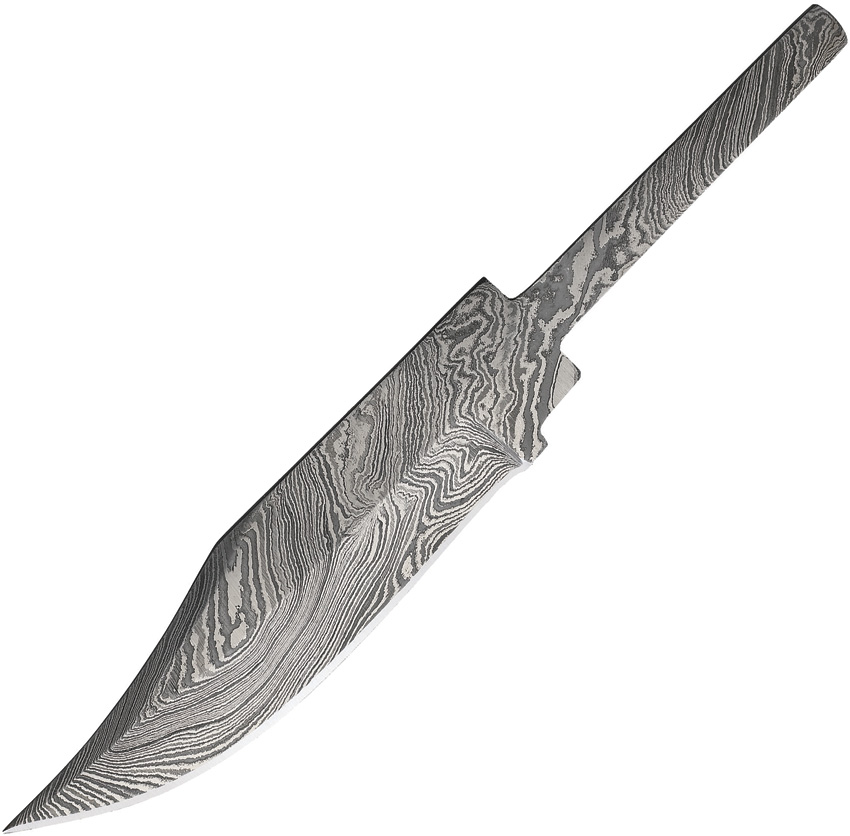
Upon receiving the blade, the initial impression was promising. The Damascus pattern was immediately eye-catching, showcasing the layered steel construction. The blade felt substantial, conveying a sense of quality that belied the modest price point.
Compared to a basic stainless-steel blank or a pre-shaped, non-Damascus blade, the Knifemaking Damascus Skinner Blade stood out. Its ready-to-handle form offered an immediate head start in the knifemaking process. I chose this over a cheaper, lower-grade steel blank because I wanted a project with inherent visual appeal and the potential for superior performance.
My first impression was one of excitement. The blade seemed to present an accessible entry point into the world of custom knifemaking, a blend of artistry and practicality that I was eager to explore.
Real-World Testing: Putting Knifemaking Damascus Skinner Blade to the Test
First Use Experience
My first experience with the Knifemaking Damascus Skinner Blade was centered around crafting a handle and evaluating its initial sharpness. I focused on creating a comfortable and secure grip, utilizing stabilized wood scales and brass bolsters. Once the handle was completed, I tested the blade’s sharpness on various materials.
I tested the completed knife on seasoned oak and cardboard to gauge its cutting ability and edge retention. While I didn’t have a freshly processed deer hide on hand, I used thick leather to simulate the resistance one might encounter during skinning. Initial sharpness was adequate, easily slicing through paper and making controlled cuts in the leather.
The Knifemaking Damascus Skinner Blade required some initial sharpening to reach its full potential. The edge, while present, wasn’t as refined as I prefer for skinning tasks. After a few passes on a honing steel and a strop, the edge became significantly sharper.
I noted that the blade’s profile lent itself well to the sweeping motions required for skinning. The curve was comfortable and natural to use, with no major issues or surprises after the initial handle fitting and sharpening process.
Extended Use & Reliability
After several weeks of use in various tasks, the Knifemaking Damascus Skinner Blade has proven to be reasonably durable. It has seen use in preparing kindling for fires, light wood carving, and general camp chores. The Damascus pattern remains visually appealing, with no signs of delamination or separation.
Minor scratches have appeared on the blade surface from regular use, but the edge has held up well. I’ve resharpened the blade a few times to maintain its keenness, with each resharpening proving relatively easy to accomplish using standard sharpening tools. The Damascus steel seems to respond well to both coarse and fine sharpening methods.
Maintenance involves cleaning the blade after each use and applying a thin coat of oil to prevent rust. The blade has held up well against staining, with only minor discoloration in areas that were consistently exposed to moisture. This level of maintenance is in line with other high-carbon steel blades I have used.
In comparison to previous experiences with other skinning knives, the Knifemaking Damascus Skinner Blade performs adequately. It’s not the sharpest blade out of the box, but with some initial sharpening, it becomes a reliable and aesthetically pleasing tool. Its performance, however, is dependent on the quality of handle construction.
Breaking Down the Features of Knifemaking Damascus Skinner Blade
Specifications
The Knifemaking Damascus Skinner Blade is a fixed blade designed for skinning tasks. The blade is made from Damascus steel, a layered steel known for its unique patterns and potential for good edge retention. The price is $29.99.
While exact specifications aren’t provided, a typical skinner blade would likely have a blade length around 3-5 inches. The handle tang appears to be a full tang design, offering good strength and stability when attached to the handle scales. The Damascus steel is likely composed of two different carbon steels folded together repeatedly.
These specifications matter because they directly affect the blade’s performance. The size and shape dictate its suitability for skinning, while the steel determines its sharpness, edge retention, and overall durability. A full tang construction ensures the handle is securely attached, minimizing the risk of breakage.
Performance & Functionality
The Knifemaking Damascus Skinner Blade is designed specifically for skinning game. After initial sharpening, the blade does its job effectively, allowing for precise cuts and controlled movements. The blade’s curved profile aids in the skinning process, making it easier to follow the contours of the animal.
The blade’s strength lies in its aesthetic appeal and the potential for a sharp edge. Its weakness is in the lack of specific information about the steel composition and hardness. The performance meets expectations for a budget-friendly Damascus blade, especially given the need for initial sharpening.
Design & Ergonomics
The Knifemaking Damascus Skinner Blade’s design is aesthetically pleasing, with a distinct Damascus pattern that enhances its visual appeal. The build quality appears to be solid, but a closer inspection reveals some minor imperfections in the finish. The weight is balanced, making it comfortable to handle once a proper handle has been added.
Adding a handle is required. The user will need to choose the appropriate handle material and shape to suit their preference. With the handle added, the ergonomics will depend entirely on the quality of the handle and the preference of the user.
Durability & Maintenance
The Knifemaking Damascus Skinner Blade’s durability will depend on the quality of the Damascus steel and its heat treatment. With proper care and maintenance, the blade should last for many years. However, given the price point, it’s unlikely to match the durability of high-end Damascus blades.
Maintenance involves regular cleaning, oiling, and sharpening. The Damascus steel is prone to rust, so it’s essential to keep the blade dry and apply a thin coat of oil after each use. Sharpening can be done with standard sharpening tools, but care should be taken to avoid damaging the Damascus pattern.
Accessories and Customization Options
The Knifemaking Damascus Skinner Blade does not come with any accessories. The primary customization option is the design and construction of the handle. Users can choose from a variety of handle materials, shapes, and finishes to create a unique and personalized knife.
The blade is compatible with standard handle-making materials, such as wood, Micarta, G10, and various metal bolsters. Users can also add decorative elements, such as mosaic pins or file work, to enhance the aesthetic appeal of the finished knife.
Pros and Cons of Knifemaking Damascus Skinner Blade
Pros
- Aesthetically Pleasing: The Damascus pattern gives the blade a unique and attractive look.
- Affordable: The $29.99 price point makes it an accessible option for knifemaking enthusiasts.
- Full Tang Construction: Provides good strength and stability when properly handled.
- Good Starting Point: Allows you to focus on handle design and finishing skills.
- Potential for Sharp Edge: Damascus steel can be honed to a very sharp edge with proper sharpening techniques.
Cons
- Requires Handle Construction: The blade requires a handle to be crafted by the user, adding to the time and skill required.
- Lack of Detailed Specs: Limited information on steel composition and hardness can make it difficult to assess its performance.
- Initial Sharpening Needed: The blade may require initial sharpening to achieve optimal sharpness.
Who Should Buy Knifemaking Damascus Skinner Blade?
Perfect for: DIY enthusiasts, beginning knifemakers, and those looking for an affordable Damascus blade for crafting. This is a great option for those who enjoy customizing and creating unique tools.
Who should skip this product? Those looking for a ready-to-use knife, those with limited knifemaking skills, or those who require precise steel specifications.
Must-have accessories or modifications? Handle scales, epoxy, bolsters, pins, and sharpening stones.
Conclusion on Knifemaking Damascus Skinner Blade
The Knifemaking Damascus Skinner Blade offers a unique entry point into the world of custom knifemaking. Its affordable price and aesthetically pleasing Damascus pattern make it an attractive option for those looking to craft their own knives. The blade requires additional work, namely creating and attaching a handle, but this allows for a high degree of personalization.
The value proposition is strong. For $29.99, you receive a visually appealing Damascus blade that, with some effort, can be transformed into a functional skinner.
I would personally recommend the Knifemaking Damascus Skinner Blade to anyone interested in trying their hand at knifemaking. It provides a canvas for creativity and a foundation for learning valuable skills. Take the plunge, unleash your inner artisan, and craft a blade that reflects your unique style.