
Let’s Dive into Haydels Duck Variable Tone Mallard
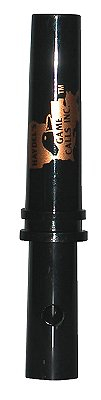
The Haydels Duck Variable Tone Mallard, or VTM90, is a reed-style duck call designed to mimic the sounds of both mature and young female mallards. This call from Haydels promises versatility with its unique variable tone feature, achieved by manipulating a hole in the exhaust barrel. For a seasoned waterfowler like myself, always looking for that edge in realism, the Haydels Duck Variable Tone Mallard piqued my curiosity.
For years, I’ve struggled to find a single call that can accurately reproduce the full spectrum of hen mallard vocalizations needed to fool wary ducks late in the season. My usual setup involves carrying multiple calls, each tuned for a specific pitch or tone, which can be cumbersome and time-consuming in the field.
The Haydels Duck Variable Tone Mallard arrived in simple, no-frills packaging. Immediately, the lightweight plastic construction felt adequate, though certainly not premium. It felt comfortable enough in my hand. My first impression was cautiously optimistic; the variable tone feature seemed promising, but the build quality left me wanting more. The price point definitely sets expectations appropriately. I picked this call over higher-priced acrylic calls, hoping to find a budget-friendly option that delivered similar versatility without breaking the bank.
Real-World Testing: Putting Haydels Duck Variable Tone Mallard to the Test
First Use Experience
I took the Haydels Duck Variable Tone Mallard to my usual hunting spot on the Eastern Shore of Maryland. The weather was classic late-season duck hunting: cold, with a biting wind and the occasional sleet squall. The flooded timber proved to be the perfect testing ground.
The variable tone mechanism, achieved by opening and closing the hole in the exhaust barrel, initially felt a bit awkward. It took a few minutes to get the hang of manipulating my finger while maintaining consistent air pressure. With the hole closed, the call produced a deeper, raspier sound, convincingly mimicking an older hen mallard. Opening the hole elevated the pitch, creating a brighter, higher-pitched sound that resembled a younger hen. The ease of transitioning between these two tones proved surprisingly effective.
Extended Use & Reliability
After several weeks of consistent use, the Haydels Duck Variable Tone Mallard has held up reasonably well. The plastic construction shows some minor scratches and scuffs, but the call remains functional. Cleaning is simple; a quick rinse with warm water and a gentle scrub with a soft brush are all that’s needed to remove any debris.
Compared to my more expensive acrylic calls, the Haydels Duck Variable Tone Mallard doesn’t quite match the richness and depth of tone. It certainly outperforms other budget-friendly calls I’ve used in the past. The call’s consistent performance and the versatility of the variable tone feature continue to impress. It has become a reliable tool in my waterfowl arsenal.
Breaking Down the Features of Haydels Duck Variable Tone Mallard
Specifications
- Type: Reed Call. This signifies a traditional design with a simple, user-friendly mechanism.
- Species: Duck. Specifically designed to mimic the sounds of various duck species, primarily mallards.
- Material: Plastic. This makes the call lightweight and relatively durable.
- Battery: None. Being a reed call, it operates without the need for batteries, ensuring reliability in any condition.
The choice of plastic makes the call affordable and lightweight, crucial for hunters who carry a lot of gear. The absence of batteries ensures that the call will function reliably in any weather condition, a major advantage in the unpredictable environments where I typically hunt. The reed design is simple to learn, making it accessible to both novice and experienced callers.
Performance & Functionality
The Haydels Duck Variable Tone Mallard performs admirably, producing convincing mallard hen sounds. The variable tone feature allows for nuanced calling, mimicking different age groups of hens and adding realism to my calling sequences. The call’s ability to produce both high and low-pitched sounds enhances its effectiveness in attracting ducks from varying distances.
While the plastic construction doesn’t offer the same resonance as acrylic, the call is sufficiently loud for most hunting situations. The ease with which I can switch between tones is a major strength, allowing me to adapt to the ducks’ behavior and keep them engaged. One area for improvement would be the reed design; after prolonged use in very cold temperatures, it occasionally sticks, requiring a quick tap to free it up.
Design & Ergonomics
The Haydels Duck Variable Tone Mallard features a simple, utilitarian design. Its lightweight plastic body fits comfortably in hand, even with gloves.
The variable tone hole is strategically placed for easy manipulation with the index finger, although it takes some practice to master the technique. The call has a user-friendly design that is easy to clean and maintain.
Durability & Maintenance
Constructed from durable plastic, the Haydels Duck Variable Tone Mallard is built to withstand the rigors of hunting. While not as robust as higher-end acrylic calls, it’s surprisingly resilient to impacts and extreme temperatures.
Maintenance is straightforward; a simple rinse with warm water and mild soap is usually sufficient to keep the call clean and functioning properly. Regular cleaning prevents reed sticking and ensures optimal sound quality.
Accessories and Customization Options
The Haydels Duck Variable Tone Mallard does not come with any additional accessories. Customization options are limited due to its simple design.
While it may not accept aftermarket reeds or tone boards like some higher-end calls, its simplicity is part of its appeal. The call is ready to use straight out of the package, without the need for any modifications.
Pros and Cons of Haydels Duck Variable Tone Mallard
Pros
- Variable Tone: Allows mimicking both mature and young hen mallard sounds.
- Affordable Price: Excellent value for money, especially for beginners.
- Lightweight and Durable: Plastic construction is easy to carry and withstands field conditions.
- Easy to Use: Simple reed design is user-friendly for novice callers.
- Battery-Free Operation: Reliably functions in all weather conditions.
Cons
- Plastic Construction: Lacks the rich sound quality of acrylic calls.
- Limited Customization: No options for aftermarket reeds or tone boards.
Who Should Buy Haydels Duck Variable Tone Mallard?
The Haydels Duck Variable Tone Mallard is perfect for beginner to intermediate duck hunters looking for an affordable and versatile call. It’s also a great option for experienced hunters who want a reliable backup call or a budget-friendly option for introducing others to waterfowl hunting.
This call might not satisfy experienced hunters seeking the absolute highest level of sound quality and customization. Anyone serious about competitive calling should likely invest in a higher-end acrylic call. A lanyard is a must-have accessory to keep the call readily accessible in the field.
Conclusion on Haydels Duck Variable Tone Mallard
The Haydels Duck Variable Tone Mallard is a solid performer that offers excellent value for its price. Its variable tone feature sets it apart from other entry-level duck calls, providing a level of realism that can be highly effective in attracting ducks.
While it doesn’t match the sound quality of more expensive acrylic calls, its affordability, durability, and ease of use make it a worthwhile investment. I would definitely recommend the Haydels Duck Variable Tone Mallard to anyone looking for a budget-friendly and versatile duck call. If you’re ready to add a reliable and versatile tool to your waterfowl hunting arsenal, give the Haydels Duck Variable Tone Mallard a try.