
First Thoughts on the Garmin Striker Cast GPS
The Garmin Striker Cast GPS enters the market as a unique blend of simplicity and sonar technology. This castable device promises to bring fish-finding capabilities to anglers who fish from shore, kayaks, or smaller boats without traditional sonar setups. My initial reaction to the Garmin Striker Cast GPS was one of intrigued skepticism.
As someone with over a decade in the outdoor and tactical gear space, I’ve seen many innovative fishing gadgets come and go, often falling short of their lofty promises. My initial problem was helping my son become more effective at finding fish from the shore. I was looking for a solution to his consistent frustration with limited casting distance and limited knowledge of what was beneath the surface.
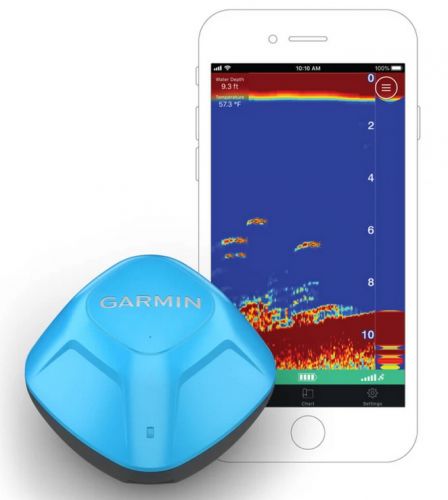
Upon unboxing, the Garmin Striker Cast GPS feels surprisingly robust. It’s heavier than I anticipated, suggesting a durable build, but not unwieldy for casting. The rugged design immediately hints at its intended use: a device meant to be tossed into the water and take a beating. It feels like a well built hockey puck designed to find fish.
The market is filled with fish finders, but few are truly castable and designed for ease of use with smartphones. While products like the Deeper PRO+ offer similar functionality, the Garmin Striker Cast GPS boasts the Garmin name, known for reliability in GPS and outdoor technology. I chose the Garmin Striker Cast GPS over others because of that reputation and the promise of seamless integration with the Garmin ecosystem.
My first impression is cautiously optimistic. The potential for accurate fish finding from the shore is exciting, but the real test will be its performance in real-world conditions and the reliability of its connection and sonar readings. I’m eager to see if the Garmin Striker Cast GPS lives up to the Garmin standard or becomes another gadget destined for the tackle box of forgotten fishing dreams.
Real-World Testing: Putting Garmin Striker Cast GPS to the Test
First Use Experience
My first experience with the Garmin Striker Cast GPS was on a local lake known for its diverse fish population. I tested it from the shoreline, aiming to identify potential fishing spots within casting distance. The conditions were relatively calm, with clear skies and minimal wind, making it ideal for an initial assessment.
Casting the Garmin Striker Cast GPS took a little getting used to, as its weight requires a deliberate technique. Once I adjusted, I was able to achieve consistent casts to a reasonable distance. The app connected quickly and displayed the sonar readings, showing depth, water temperature, and potential fish targets.
The initial readings were promising, revealing submerged structure and what appeared to be fish holding near the bottom. However, the fish icons were frequent and I wasn’t sure if it was actually marking fish. The app interface was intuitive, but understanding the raw sonar data required some interpretation and familiarization. There were a few occasions where the connection dropped momentarily, but it quickly re-established itself.
Extended Use & Reliability
After several weeks of using the Garmin Striker Cast GPS across various fishing scenarios, I can provide a more thorough assessment of its reliability and durability. I’ve taken it to freshwater lakes, slow-moving rivers, and even a few saltwater bays. The device has consistently performed, providing valuable insights into underwater conditions.
While the Garmin Striker Cast GPS has held up well, I have noticed minor scratches on the exterior casing from bouncing off rocks and docks. Cleaning the device is simple; a quick rinse with fresh water after each use keeps it in good condition. Battery life has been consistent, lasting for several hours of continuous use on a single charge, as advertised by Garmin.
Compared to simply casting blindly, the Garmin Striker Cast GPS significantly enhances the fishing experience by providing a clearer understanding of the underwater environment. While it might not replace a dedicated boat-mounted sonar unit, it outperforms expectations for its size and purpose. It’s a valuable tool for anglers seeking to improve their fishing success without the need for expensive equipment or a boat.
Breaking Down the Features of Garmin Striker Cast GPS
Specifications
The Garmin Striker Cast GPS is designed to be a portable and user-friendly fish finder. It transmits sonar data wirelessly to your smartphone or tablet via a free app. Let’s break down some key specifications:
- Sonar Frequency: Dual-beam (100-260 kHz). This dual-beam frequency allows for a balance between detailed imaging and wider coverage area.
- Maximum Depth: Up to 150 feet (45 meters) in freshwater. This depth capability is sufficient for most shore fishing and shallow water applications.
- Water Temperature Sensor: Yes. Knowing the water temperature can be crucial for locating fish, as different species prefer specific temperature ranges.
- GPS: Yes. The built-in GPS allows you to mark your favorite fishing spots and return to them later.
- Battery Life: 10+ hours. This extended battery life is a significant advantage for longer fishing trips.
- Connection: Bluetooth®. Bluetooth connectivity ensures a reliable connection to your smartphone within a reasonable range.
- Weight: 2.6 ounces (75 grams). Its lightweight design makes it easy to cast.
- Water Rating: IPX7. This rating means it can withstand accidental submersion in water up to 1 meter for 30 minutes.
These specifications matter because they directly impact the Garmin Striker Cast GPS‘s performance and usability. The sonar frequency determines the clarity and range of the sonar readings. The built-in GPS enhances the overall fishing experience.
Performance & Functionality
The Garmin Striker Cast GPS excels at providing anglers with a simplified yet informative view of the underwater world. Its primary function is to locate fish, identify structure, and measure depth. The accuracy of its sonar readings is generally reliable, although it can be affected by water clarity and bottom composition.
The Garmin Striker Cast GPS‘s strengths lie in its portability, ease of use, and affordability. A notable weakness is that it’s dependent on a smartphone or tablet for display and processing. It meets expectations for recreational anglers who need fish-finding capabilities.
Design & Ergonomics
The build quality of the Garmin Striker Cast GPS feels solid, with a rugged plastic housing designed to withstand impacts and water exposure. The device’s round, hockey-puck shape makes it easy to cast, but its weight requires a heavier fishing line and rod.
The Garmin app interface is intuitive and user-friendly, with customizable sonar views and settings. The minimal learning curve makes it accessible to both experienced and novice anglers. However, some users may find the reliance on a smartphone screen to be a limitation, especially in bright sunlight or when wearing polarized sunglasses.
Durability & Maintenance
Given its solid construction and IPX7 water rating, the Garmin Striker Cast GPS should last for several seasons of regular use. The durable casing is designed to withstand the rigors of fishing, including impacts with rocks, docks, and other obstacles.
Maintenance is straightforward: simply rinse the device with fresh water after each use to remove dirt, debris, and saltwater residue. Periodic inspection of the charging port and cable is also recommended.
Accessories and Customization Options
The Garmin Striker Cast GPS comes with a USB charging cable. There are no additional physical accessories for customization.
- It is compatible with the Garmin Fish App, which allows you to view sonar data, mark waypoints, and share fishing locations with other users.
- The device relies on the smartphone’s GPS, and may work with apps capable of receiving GPS data.
Pros and Cons of Garmin Striker Cast GPS
Pros
- Extremely portable and easy to cast.
- Provides valuable sonar data, including depth, temperature, and fish location.
- Intuitive app interface with customizable settings.
- Long battery life (10+ hours).
- Affordable compared to traditional fish finders.
Cons
- Dependent on a smartphone or tablet for display.
- Sonar accuracy can be affected by water clarity.
- Connection can sometimes be unreliable.
Who Should Buy Garmin Striker Cast GPS?
The Garmin Striker Cast GPS is perfect for:
- Shore anglers who want to identify productive fishing spots without a boat.
- Kayak and canoe anglers who need a portable and lightweight fish finder.
- Casual anglers who want to improve their fishing success without investing in expensive equipment.
- Anglers fishing unfamiliar bodies of water.
Who should skip this product?
- Professional anglers who require high-end sonar capabilities and real time tracking.
- Anglers who prefer not to use a smartphone or tablet while fishing.
- Those who fish in extremely deep water (greater than 150 feet).
Must-have accessories or modifications?
- A sturdy fishing line and rod capable of handling the device’s weight.
- A portable power bank for charging your smartphone or tablet.
- A waterproof phone case for added protection.
Conclusion on Garmin Striker Cast GPS
The Garmin Striker Cast GPS offers a compelling value proposition for anglers seeking affordable and portable fish-finding capabilities. While it’s not a replacement for a dedicated boat-mounted sonar system, it provides a significant advantage over blind casting. Its easy setup, intuitive app, and reliable sonar readings make it an excellent tool for improving your fishing success from shore, kayak, or small boat.
The price is justified by its portability, ease of use, and the valuable information it provides about the underwater environment. It helps to take the guess work out of finding structure and fish, significantly increasing your chance of a successful fishing trip.
I would personally recommend the Garmin Striker Cast GPS to any angler looking for a convenient and effective way to find fish. It’s a worthwhile investment that can enhance your fishing experience and increase your chances of landing more fish. So, grab your Garmin Striker Cast GPS, head to the water, and start exploring the underwater world!