
Let’s Dive into Frankford Arsenal Walnut Hull Media
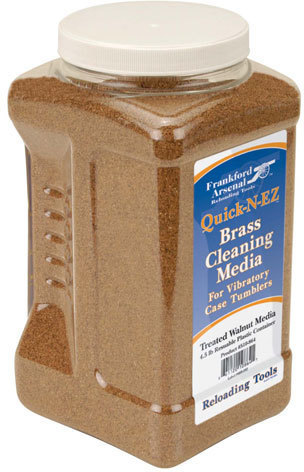
The Frankford Arsenal Walnut Hull Media promises to be a cost-effective solution for cleaning brass casings, a crucial step for any serious reloader. As someone who’s spent over a decade hand-loading ammunition for everything from precision rifle competitions to plinking at the range, I’m always on the lookout for ways to streamline the process without sacrificing quality. Dirty brass leads to inconsistent loads and potential malfunctions; clean brass is essential for reliable and accurate ammunition.
My initial need stemmed from a desire to replace my aging and increasingly ineffective corn cob media. I was looking for something that could effectively remove carbon fouling and grime from previously fired brass, preparing it for resizing and reloading. The Frankford Arsenal Walnut Hull Media presented itself as a budget-friendly option, prompting me to investigate if it could deliver the cleaning power I needed.
Upon unboxing, I noted the media’s texture and consistency. The walnut hulls appeared relatively fine, perhaps even finer than some other brands I’ve used in the past. My initial impression was a blend of cautious optimism, hoping that this fine texture would translate to thorough cleaning, coupled with a slight apprehension about potential dust issues mentioned in some user reviews.
Compared to Lyman’s media, a long-time favorite, the Frankford Arsenal Walnut Hull Media was noticeably less expensive. I also considered using a more aggressive stainless steel pin tumbling method, but the convenience and speed of dry tumbling with walnut media ultimately swayed my decision. My choice was driven by the desire for a balance between effectiveness, cost, and ease of use, hoping the Frankford Arsenal product would deliver.
My first impression was cautiously optimistic. The low price point was enticing, but past experiences have taught me that the cheapest option isn’t always the best. The real test would be how well it performed on heavily soiled brass.
Real-World Testing: Putting Frankford Arsenal Walnut Hull Media to the Test
First Use Experience
My initial test involved tumbling a batch of mixed .223 and 9mm brass, all once-fired and exhibiting typical carbon buildup and grime. I used my standard Frankford Arsenal vibratory tumbler, filling it to the recommended level with the Walnut Hull Media. The tumbler was placed in my garage, a space that tends to get dusty, which concerned me given comments about the product’s dustiness.
The tumbling process lasted for three hours, a timeframe I’ve found effective with other media types. Upon inspection, I noticed that the brass was indeed cleaner, though not as dramatically as I had hoped. There was a noticeable reduction in carbon fouling and a slight increase in shine, but some stubborn residue remained on the interior of the cases. The dust was also more apparent than with previous media.
I didn’t need time to get used to it, as it’s simply tumbling media used in a standard vibratory tumbler. The only minor surprise was the amount of dust generated, requiring me to wear a dust mask while handling the media and brass.
Extended Use & Reliability
After several weeks of use and multiple batches of brass, the Frankford Arsenal Walnut Hull Media has shown a consistent, albeit somewhat underwhelming, performance. The initial batch was a solid base, but subsequent batches haven’t significantly improved the brass’s shine or cleanliness.
After about a month of use, the media has held up without excessive breakdown, but the dustiness remains a persistent issue. I’ve had to periodically sift the media to remove the fine dust particles to maintain optimal performance. The product itself has started to show signs of discoloration from repeated use, with the media turning a darker color from collected grime.
Compared to my previous experience with Lyman’s media, the Frankford Arsenal Walnut Hull Media falls slightly short in terms of cleaning power and dust generation. While it effectively removes loose debris, it struggles with heavily tarnished or severely fouled brass. It does outperform using no media at all, but that’s a low bar to clear.
Breaking Down the Features of Frankford Arsenal Walnut Hull Media
Specifications
The Frankford Arsenal Walnut Hull Media is designed specifically for cleaning brass casings before reloading. Its core specification is its walnut hull composition, providing an abrasive yet gentle action to remove dirt and residue. The media is designed to be universal and usable with various calibers.
These specifications directly impact the user experience by determining the effectiveness of the cleaning process. Walnut media is known to clean better than corn cob media, though corn cob excels at polishing. The universal caliber compatibility means it can be used for a range of reloading projects, enhancing its versatility.
Performance & Functionality
The Frankford Arsenal Walnut Hull Media adequately performs its basic function of removing loose dirt, grit, and powder residue from brass casings. It does a decent job of surface cleaning, but it struggles to remove stubborn carbon fouling or heavy tarnish. It doesn’t meet my expectations for cleaning heavily soiled brass.
Its strength lies in its accessibility and affordability, making it a viable option for budget-conscious reloaders. The main weakness is its comparatively lower cleaning power compared to more premium media or alternative methods like stainless steel tumbling. The dust produced is another notable drawback that needs addressing.
Design & Ergonomics
The design is straightforward: crushed walnut hulls in a dry media form. The material itself is natural and relatively lightweight, which is beneficial in reducing the overall weight of the tumbler. The media’s small size allows it to penetrate inside the case, maximizing surface contact.
The media is easy to use, requiring no special preparation or handling techniques. Simply pour it into the tumbler with the brass casings, and the vibratory action does the work. There is no learning curve associated with its use, making it accessible to novice reloaders.
Durability & Maintenance
The longevity of the Frankford Arsenal Walnut Hull Media appears to be reasonable, with each batch lasting for several reloading sessions before needing replacement. Proper sifting and occasional addition of brass polish can extend its lifespan. The media is not designed to be repairable, and replacement is the only option when its cleaning effectiveness diminishes.
Maintaining the media involves periodic sifting to remove dust and spent primer debris. While the Manufacturer does not explicitly specify cleaning methods, some reloaders add a small amount of mineral spirits or brass polish to enhance cleaning action.
Accessories and Customization Options
The product itself doesn’t come with any accessories. It is designed to be used in conjunction with a vibratory tumbler. The most common customization involves adding brass polish directly to the media, enhancing its polishing capabilities.
It’s compatible with virtually any vibratory tumbler designed for cleaning brass casings. Some reloaders also add dryer sheets to the tumbler to help capture dust and prevent it from becoming airborne.
Pros and Cons of Frankford Arsenal Walnut Hull Media
Pros
- **Cost-effective: ** The primary advantage is its affordability compared to other media options.
- Universal Compatibility: Works with a wide range of calibers.
- Easy to Use: Requires no special preparation or handling skills.
- Effective for Light Cleaning: Adequately removes loose dirt and powder residue.
- Widely Available: Easy to purchase from various retailers.
Cons
- **Dusty: ** Generates a significant amount of dust during tumbling, requiring a dust mask and good ventilation.
- Limited Cleaning Power: Struggles with heavily tarnished or severely fouled brass.
- Requires Frequent Replacement: Cleaning effectiveness diminishes relatively quickly, necessitating regular replacement.
Who Should Buy Frankford Arsenal Walnut Hull Media?
The Frankford Arsenal Walnut Hull Media is perfect for budget-conscious reloaders who primarily process lightly soiled brass. It is also suitable for individuals who reload a wide variety of calibers and need a universal cleaning solution. This product would be beneficial to the casual reloader who cleans their brass shortly after firing, preventing heavy fouling.
Reloaders who primarily work with heavily tarnished or severely fouled brass, or those sensitive to dust, should skip this product. Those seeking a more aggressive cleaning solution might consider stainless steel tumbling or more premium media options like treated walnut media. Those who reload in enclosed spaces should be prepared to deal with the dust.
A must-have accessory when using this product is a high-quality dust mask. Also, a media separator makes it easier to separate clean brass from the used media, and a brass polish to extend the life of the media.
Conclusion on Frankford Arsenal Walnut Hull Media
The Frankford Arsenal Walnut Hull Media offers a budget-friendly solution for cleaning brass casings, but it comes with certain trade-offs. While it effectively removes loose dirt and powder residue, its cleaning power is limited compared to more premium options, and the dust it generates can be a nuisance. The Manufacturer, Frankford Arsenal, delivers a product true to its specifications at a low cost.
The price is justified for reloaders on a tight budget or those processing lightly soiled brass, but those seeking optimal cleaning performance may find it lacking. The Frankford Arsenal Walnut Hull Media serves a niche of those seeking affordability and convenience over high-end performance.
I would cautiously recommend it to reloaders who understand its limitations and are willing to manage the dust issue. However, I would encourage those seeking superior cleaning results to explore alternative media options or tumbling methods. While it’s not a game-changer, it can still be a useful tool in the reloading process, especially when budget is a primary concern.