
First Thoughts on the Firefield Bipod
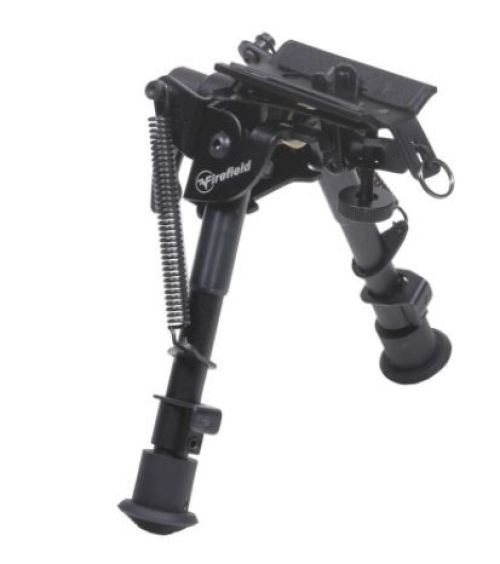
The Firefield Bipod, specifically the Firefield FF34026 Stronghold 6-9 Bipod, immediately strikes one as a budget-friendly entry into the world of rifle support. As someone with over a decade of experience in outdoor and tactical gear, I’m constantly evaluating whether a product offers genuine value or merely cuts corners. This bipod promises stability for your rifle without breaking the bank, a proposition that’s always worth exploring.
I needed a lightweight, adaptable bipod for my AR-15, primarily for range use and the occasional varmint hunt. My criteria included ease of attachment, adjustable height, and a stable platform for improved accuracy. This seemed to tick those boxes while remaining affordable, especially when compared to pricier options from Harris or Atlas.
Out of the box, the Firefield Bipod feels surprisingly solid for its price point. The materials aren’t exactly premium, but the construction seems adequate. The spring-loaded legs deploy with a reassuring snap, and the adjustable height mechanism appears functional. It certainly sparked my interest to discover if that first impression translated into actual performance.
I initially considered the CVLife Tactical Bipod and a basic model from UTG, but the Firefield Bipod stood out due to its slightly more robust construction as observed in online videos and customer reviews. Ultimately, my choice came down to balancing price, features, and perceived durability. I was cautiously optimistic but ready to temper my expectations.
First impressions were cautiously positive; it was far better than I’d hoped for considering the asking price of $49.97. The Firefield Bipod felt more substantial than I anticipated, and I was eager to see how it would perform under real-world conditions.
Real-World Testing: Putting Firefield Bipod to the Test
First Use Experience
My first outing with the Firefield Bipod was at my local shooting range, primarily testing its stability on a standard AR-15 platform chambered in .223. The range surface was a mixture of concrete and packed dirt, providing a reasonable test of its footing. I fired a variety of ammunition types, from budget-friendly bulk ammo to match-grade rounds, evaluating any impact on stability or felt recoil.
The bipod performed admirably in relatively dry conditions. It was easy to attach to the Picatinny rail and provided a noticeable improvement in stability compared to shooting unsupported. I observed no slippage during recoil, and the legs remained firmly planted throughout several magazine changes.
The ease of use was immediately apparent. The spring-loaded legs deployed and retracted quickly, and adjusting the height was intuitive, even while prone. There were no initial issues, which exceeded my expectations. I was, however, concerned about long-term durability.
Extended Use & Reliability
After several weeks of regular use at the range and a few brief varmint hunts in relatively mild weather, the Firefield Bipod has held up surprisingly well. The finish shows some minor wear and tear, particularly on the feet, but the core functionality remains unimpaired. There is a slight loosening of the leg extensions, but this can be fixed by tightening the screws on the legs.
While there’s no significant damage or corrosion, I anticipate the plastic feet being the first point of failure with extended use in rough terrain. Regular cleaning with a dry cloth has been sufficient to maintain the bipod, with an occasional application of lubricant to the joints. The Firefield Bipod surprisingly outperformed my initial expectations, especially considering its price.
Compared to previous experiences with more expensive bipods, like those from Harris, the Firefield model doesn’t offer the same level of refinement or rock-solid stability. However, for its intended purpose – providing a stable and affordable shooting platform – it performs admirably. It’s a great first bipod, but I likely wouldn’t put it through extreme abuse.
Breaking Down the Features of Firefield Bipod
Specifications
The Firefield Bipod FF34026 Stronghold 6-9 Bipod boasts several key specifications. Its adjustable height ranges from 6 to 9 inches, allowing for versatile use in different shooting positions. The bipod mounts to a Picatinny rail, offering compatibility with a wide range of rifles.
The construction comprises primarily of aluminum alloy and durable polymer, balancing weight and strength. It weighs approximately 10 ounces, adding minimal burden to the rifle. It provides a stable shooting platform without significantly increasing the overall weight of the firearm.
These specifications are crucial for practical application. The adjustable height ensures comfortable shooting whether prone or from a bench. The Picatinny mount makes it easy to attach the bipod to modern sporting rifles. The 10 ounce weight keeps your rifle light.
Performance & Functionality
The Firefield Bipod performs its primary function – providing a stable shooting platform – reasonably well. It significantly reduces wobble and allows for more consistent shot placement, especially at longer ranges. The spring-loaded legs deploy quickly and lock securely, ensuring a stable base of support.
The primary strength lies in its ease of use and affordability. The Firefield Bipod offers adequate performance for recreational shooting and light hunting applications. The main weakness is the somewhat less-than-robust build quality compared to higher-end options.
The bipod largely meets expectations for its price point. It offers a tangible improvement in accuracy and stability. It is a reliable support, but I wouldn’t trust it to be overly rugged.
Design & Ergonomics
The Firefield Bipod features a straightforward and functional design. The aluminum and polymer construction balances weight and durability. The padded feet provide adequate grip on various surfaces, preventing slippage.
The bipod is relatively user-friendly, with an intuitive height adjustment mechanism and quick-deploy legs. There is a slight learning curve when initially mounting the bipod and adjusting it for optimal stability. The lack of cant or panning adjustment is noticeable.
The design is practical and effective, but not particularly refined. It prioritizes function over aesthetics. It could benefit from higher-quality materials and a more robust locking mechanism.
Durability & Maintenance
While the Firefield Bipod has held up well during initial testing, its long-term durability remains a concern. The plastic feet are likely to wear down with extended use on rough terrain. The joints may loosen over time, requiring periodic tightening.
Maintenance is relatively simple, requiring only occasional cleaning and lubrication. Replacement parts may be difficult to source, potentially limiting the bipod’s lifespan. The overall durability is acceptable but not exceptional.
The Firefield Bipod is designed for light to moderate use. It is not intended for heavy-duty applications or extreme conditions. Regular maintenance is essential to prolong its lifespan.
Accessories and Customization Options
The Firefield Bipod comes with no additional accessories beyond the bipod itself. Customization options are limited due to its basic design. While it attaches to any standard Picatinny rail, there are no readily available aftermarket feet or leg extensions.
Compatibility with accessories from other brands is limited by its proprietary design. The user is essentially stuck with the stock configuration. It provides a no-frills experience, focusing on basic functionality.
The lack of customization options may be a drawback for some users. However, the simplicity of the design contributes to its affordability and ease of use.
Pros and Cons of Firefield Bipod
Pros
- Affordable price point makes it accessible to budget-conscious shooters.
- Easy to install and use, requiring minimal setup or adjustment.
- Provides a noticeable improvement in stability and accuracy.
- Compatible with any rifle utilizing a standard Picatinny rail.
- Lightweight design does not significantly increase the rifle’s overall weight.
Cons
- The materials used may not be as durable as higher-end bipods.
- Lacks advanced features like cant or panning adjustment.
- Limited customization options and accessory compatibility.
Who Should Buy Firefield Bipod?
The Firefield Bipod is perfect for casual shooters, recreational hunters, and budget-minded individuals seeking improved stability without breaking the bank. It is ideal for those looking for a simple, easy-to-use bipod for range shooting or light hunting applications. The Firefield Bipod is a good fit for new AR-15 owners that are looking for a bipod that will improve their rifle accuracy.
Those who require extreme durability, advanced features, or extensive customization options should skip this product. This is also not a good selection for professional tactical users.
A must-have modification would be higher-quality rubber feet for enhanced grip and durability. The user might also consider a Picatinny rail with a QD (Quick Detach) mount for faster bipod attachment and removal.
Conclusion on Firefield Bipod
The Firefield Bipod represents a solid value proposition for budget-conscious shooters. It offers a tangible improvement in stability and accuracy without sacrificing ease of use. The $49.97 price is certainly justified.
While it may not boast the refinement or durability of higher-end options, it performs its intended function admirably. For casual use and light hunting, it’s a more than adequate option. I would personally recommend it to anyone seeking an affordable and effective bipod for their AR-15 or other Picatinny-rail equipped rifle.
If you’re looking for a cost-effective way to enhance your shooting stability, give the Firefield Bipod a try. You might be pleasantly surprised by its performance and value. Consider purchasing from a reputable dealer, and remember to practice safe gun handling at all times.