
First Impressions of Edgar Sherman Design Paracord Guide
The Edgar Sherman Design Paracord Guide promises a solution to a common problem: bulky and unreliable paracord sling attachments. The Edgar Sherman Design (ESD) aims to refine the traditional paracord-to-sling connection. It offers a more secure and streamlined method. I was intrigued to see if this small piece of hardware could truly improve my sling setup.
My interest stemmed from countless hours spent in the field. I was constantly adjusting or re-tying paracord sling attachments that had come loose or snagged on gear. I hoped the Edgar Sherman Design Paracord Guide would offer a more permanent and snag-free solution. The promise of a quieter, more durable, and less obtrusive attachment was appealing.
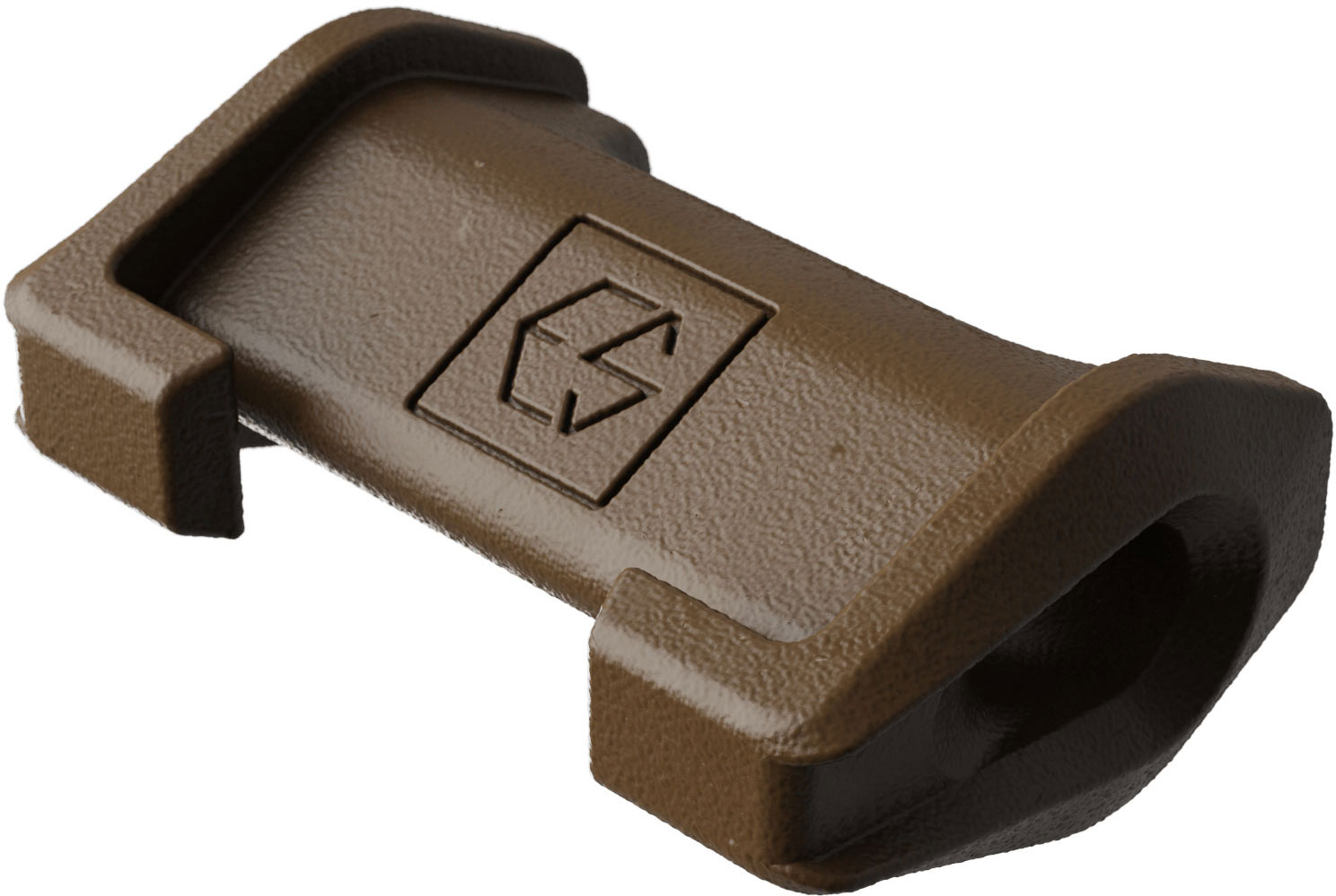
Upon unboxing, the Edgar Sherman Design Paracord Guide is remarkably simple. The package includes two nylon guides, two pieces of mil-spec 550 paracord, and a QR code linking to instructions. The guides are lightweight, almost deceptively so, and the included paracord seems robust enough. The tin packaging, while a nice touch, didn’t sway my initial assessment of what feels like a small piece of plastic.
I’ve used various methods for attaching slings with paracord, including simple overhand knots and more complex braids. Several quick-detach sling swivels from Magpul and Blue Force Gear also crossed my path. I chose to try the Edgar Sherman Design Paracord Guide for its minimalist design. The company’s claim of improved security and reduced snagging piqued my interest more than the bulkier swivel options.
Initially, I was skeptical. The Edgar Sherman Design Paracord Guide felt like a potentially overpriced solution to a problem that could be solved with some clever knot-tying. I also questioned if two small pieces of plastic could justify the cost. However, I remained open-minded and eager to see how it performed in real-world conditions.
Real-World Testing: Putting Edgar Sherman Design Paracord Guide to the Test
First Use Experience
I tested the Edgar Sherman Design Paracord Guide on my AR-15 during a range session and a subsequent hunting trip. The range provided a controlled environment to assess ease of installation and comfort while manipulating the rifle. The hunting trip offered a more demanding environment where the sling’s snag resistance and noise reduction could be evaluated.
The ESD Paracord Guide performed adequately in dry conditions on the range. Securing the sling with the provided instructions was straightforward. The design indeed kept the knot tucked neatly within the sling webbing. However, in the field, while traversing through thick brush, I found the anti-rotation tabs weren’t as effective as I’d hoped.
Extended Use & Reliability
After several weeks of consistent use, the Edgar Sherman Design Paracord Guide has held up well physically. There are no visible signs of wear or cracking. The nylon material seems durable enough to withstand moderate use.
However, I did notice the paracord knot within the guide loosens over time. Periodic re-tightening is necessary to maintain a secure connection. Compared to a metal QD swivel, it requires significantly more maintenance. This can be inconvenient in field conditions.
Breaking Down the Features of Edgar Sherman Design Paracord Guide
Specifications
The Edgar Sherman Design Paracord Guide boasts a simple, yet deliberate, design. It’s made from nylon, weighs less than 0.2 ounces combined, and comes in Coyote Brown. Each package includes two paracord guides and two 18-inch pieces of mil-spec 550 paracord.
The nylon construction contributes to its lightweight nature and relative durability. The Coyote Brown color provides a neutral aesthetic. The low weight is a significant advantage, as it adds minimal bulk to the overall rifle setup.
Performance & Functionality
The Edgar Sherman Design Paracord Guide’s primary function is to provide a secure and streamlined connection between a sling and a rifle using paracord. It largely achieves this goal, offering a more compact and contained knot than a traditional overhand knot. The sound reduction is noticeable compared to metal sling hardware.
However, the ESD Paracord Guide is not without its drawbacks. The knot can loosen over time, requiring periodic adjustments. The anti-rotation tabs don’t completely prevent rotation within the sling loop. While an improvement over bare paracord, the ESD Paracord Guide doesn’t fully live up to its potential.
Design & Ergonomics
The Edgar Sherman Design Paracord Guide is well-designed for its intended purpose. The smooth edges and contoured shape prevent snagging on gear and clothing. The internal channel securely holds the paracord knot, keeping it out of the way.
The learning curve is minimal. The included instructions are clear and easy to follow. The design is simple and effective, contributing to a user-friendly experience.
Durability & Maintenance
The nylon construction of the Edgar Sherman Design Paracord Guide appears durable and should withstand years of use under normal conditions. Cleaning is simple. A quick wipe with a damp cloth is all that’s needed.
However, the paracord itself may require replacement over time due to wear and tear. The knot requires periodic re-tightening to maintain a secure connection. These minor maintenance tasks are essential for optimal performance.
Accessories and Customization Options
The Edgar Sherman Design Paracord Guide package includes everything needed for basic installation. No additional accessories are required. There are no specific customization options for the ESD Paracord Guide.
It’s compatible with most slings and firearms that accept paracord attachment. The low profile and neutral color ensure it integrates seamlessly with a wide range of setups. The fact that you can replace the provided Paracord with any color you like is nice though.
Pros and Cons of Edgar Sherman Design Paracord Guide
Pros
- Improved knot security: The ESD Paracord Guide keeps the paracord knot contained and less likely to come undone.
- Reduced snagging: The smooth design minimizes the risk of the sling snagging on gear or foliage.
- Lightweight design: The nylon construction adds minimal weight to the rifle.
- Sound reduction: Paracord is significantly quieter than metal sling attachments.
- Field repairable: In a pinch, paracord can be easily replaced or repaired in the field.
Cons
- Price: At $43.99, the ESD Paracord Guide is relatively expensive for what it is.
- Knot loosening: The paracord knot can loosen over time, requiring periodic adjustments.
- Limited anti-rotation: The anti-rotation tabs are not entirely effective at preventing sling rotation.
Who Should Buy Edgar Sherman Design Paracord Guide?
The Edgar Sherman Design Paracord Guide is perfect for minimalist shooters who appreciate lightweight gear and quiet operation. Hunters who prioritize stealth and want to minimize noise will also find it appealing. It suits individuals who already prefer paracord sling attachments and seek a more refined solution.
Those who prefer the convenience and security of quick-detach sling swivels should skip this product. Individuals who prioritize a completely maintenance-free setup are better served with other options. Anyone unwilling to spend a premium on a small piece of nylon should explore alternative paracord attachment methods.
A must-have modification would be using higher-quality paracord. Utilizing a stiffer cord or a micro cord could help prevent the knot from loosening as quickly. Loctite on the knot is another option to prevent it from loosening.
Conclusion on Edgar Sherman Design Paracord Guide
The Edgar Sherman Design Paracord Guide is a well-intentioned product that attempts to address the shortcomings of traditional paracord sling attachments. While it offers improvements in knot security, snag reduction, and noise reduction, it falls short of being a truly revolutionary product. The high price point and the need for periodic knot adjustments detract from its overall value.
The value proposition is questionable. The ESD Paracord Guide is arguably overpriced for what it delivers. The materials and manufacturing process likely don’t justify the $43.99 price tag.
I would cautiously recommend the Edgar Sherman Design Paracord Guide to specific users. Those who prioritize minimalism and are willing to accept its limitations may find it worthwhile. However, for most shooters, simpler and more affordable alternatives exist. Consider your priorities carefully before investing in this product.