
First Impressions of Dead End Game Calls U-Turn Timber
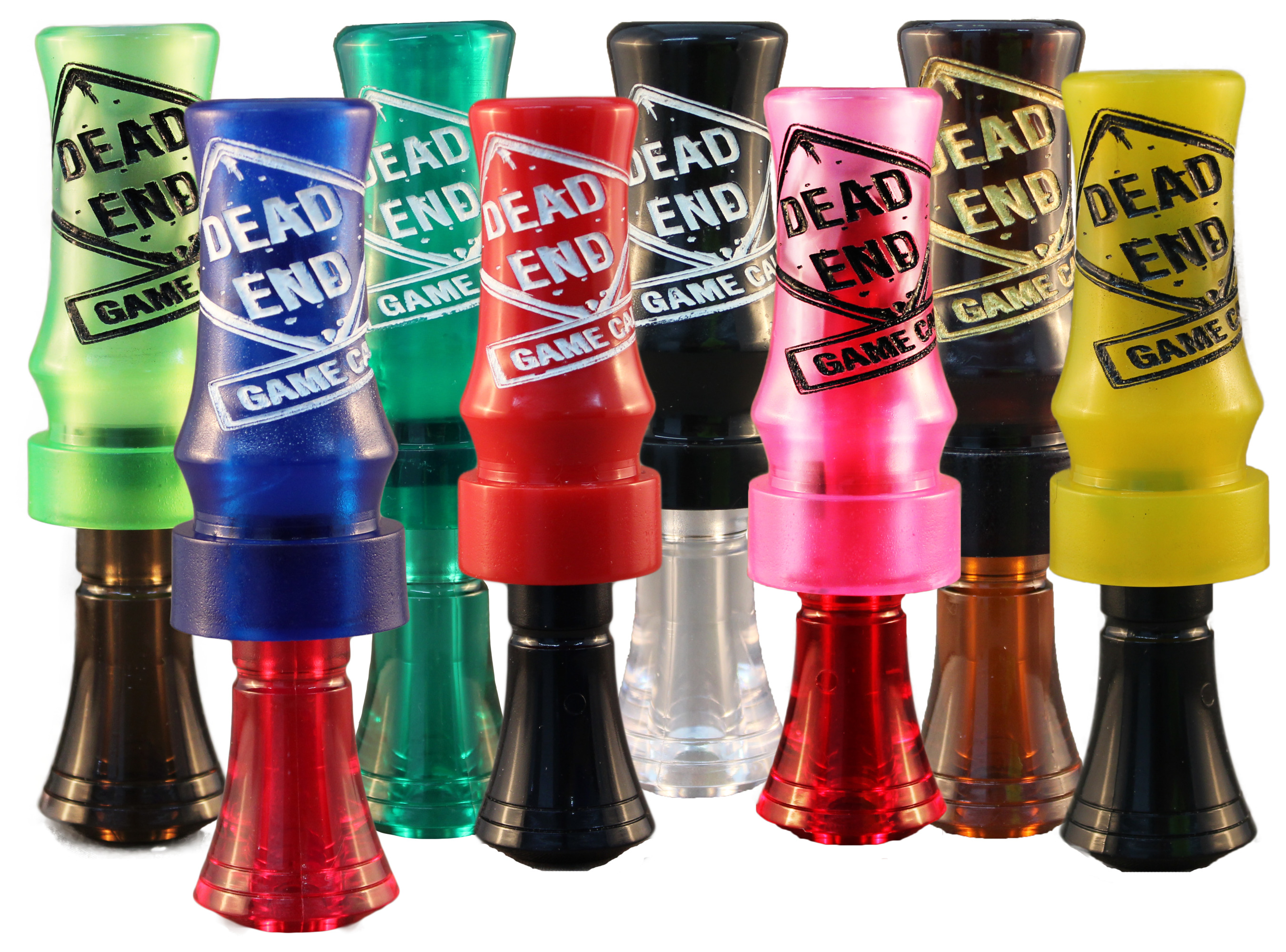
The world of duck calls is vast, filled with an array of options promising to lure waterfowl into your hunting spread. The Dead End Game Calls U-Turn Timber positions itself as a timber style call, designed for tight environments and close-range finishing. Dead End Game Calls advertises this call as suitable for both experienced callers and novices, boasting a raspy, nasally sound requiring minimal air.
I’ve spent over a decade in the field, listening to and using countless duck calls. I’m always searching for that “go-to” call that provides versatility and realistic sound. My usual preference leans towards calls with a rich, deep tone, capable of cutting through wind but equally effective in quieter timber settings. This led me to the U-Turn Timber, hoping it could fill a niche in my arsenal for those tricky, close-quarters scenarios.
The call arrived in simple packaging, revealing a polyacrylic barrel and polycarbonate insert. Initial handling suggested a lightweight build, potentially advantageous for long calling sessions, but I immediately wondered about its overall durability. Compared to my trusty, hand-turned acrylic calls from RNT and Echo, the U-Turn Timber felt… different. I was cautiously optimistic, intrigued by the promise of easy use and raspy tones. I chose it specifically hoping for an easy to operate call to hand to less experienced hunters, rather than the more demanding high end calls I usually use.
Real-World Testing: Putting Dead End Game Calls U-Turn Timber to the Test
First Use Experience
My first opportunity to test the Dead End Game Calls U-Turn Timber was during an early teal season hunt on a small, flooded timber slough. The conditions were typical for the area: humid, with a slight breeze rustling through the cypress trees. I was immediately struck by how little air it took to produce a sound; the call really does operate at a low air volume.
The sound itself was as advertised: noticeably raspy and nasally. While it produced duck-like sounds easily, it initially sounded a bit synthetic, lacking the depth and resonance I’m accustomed to.
Extended Use & Reliability
After several weeks of using the U-Turn Timber in various hunting scenarios, my initial impressions have been refined. The call has held up reasonably well, showing no significant signs of wear and tear despite frequent use. Cleaning is straightforward: a quick rinse with water and a gentle wipe down are usually sufficient.
While the U-Turn Timber hasn’t completely replaced my higher-end calls, it has proven useful in specific situations. The consistent and easy operation makes it very suitable for teaching new callers how to produce realistic duck sounds. It’s a solid, dependable, if not spectacular call.
Breaking Down the Features of Dead End Game Calls U-Turn Timber
Specifications
The Dead End Game Calls U-Turn Timber features a polyacrylic barrel and a polycarbonate insert. According to Dead End Game Calls, it is designed for both novice and experienced callers. The call measures approximately 8 inches in length.
This timber style call is built for close encounters. The polyacrylic barrel and polycarbonate insert contribute to its lightweight design, and the choice of materials also impacts the sound profile, giving it a very distinct rasp.
Performance & Functionality
The Dead End Game Calls U-Turn Timber excels in its intended environment: tight timber. Its raspy, nasally sound is effective at close range, mimicking the calls of ducks in flooded timber. The low air requirement is a major advantage, allowing for extended calling sessions without fatigue.
However, the call struggles in open water or windy conditions. It simply lacks the volume and carrying power to reach ducks at a distance. While it’s advertised as suitable for both novice and experienced callers, the somewhat synthetic tone might deter more discerning callers seeking a truly authentic sound.
Design & Ergonomics
The U-Turn Timber is lightweight and easy to handle. The polyacrylic barrel provides a comfortable grip, even in wet conditions. The design is simple and functional, prioritizing ease of use over visual appeal.
The call is relatively user-friendly, requiring minimal practice to produce basic duck sounds. However, mastering the nuances of timber calling, such as subtle variations in tone and cadence, still requires experience and practice. The simple design makes disassembly for cleaning very straightforward, although adjustment of the reed is not possible.
Durability & Maintenance
The Dead End Game Calls U-Turn Timber, while lightweight, appears reasonably durable. The materials should hold up to regular use, though a polycarbonate insert will not last as long as a machined acrylic insert. Maintenance is simple: cleaning is as easy as rinsing the call with water and drying it with a soft cloth.
Given the call’s construction, expect it to last several seasons with proper care. Replacement parts are not easily sourced, meaning reed tuning and replacement isn’t realistically possible.
Accessories and Customization Options
The Dead End Game Calls U-Turn Timber does not come with any additional accessories. Customization options are limited, as the call is a single, fixed unit. Users can adjust their lanyard to suit their individual preference. No additional aftermarket accessories or tuning options exist for this call.
Pros and Cons of Dead End Game Calls U-Turn Timber
Pros
- Extremely easy to blow, requiring very little air.
- Ideal for close-range timber hunting scenarios.
- Produces a distinctly raspy and nasally sound.
- Lightweight and comfortable to hold.
- Affordable price point.
Cons
- Lacks volume and carrying power for open water.
- Sound can be perceived as slightly synthetic.
- Limited customization options.
Who Should Buy Dead End Game Calls U-Turn Timber?
The Dead End Game Calls U-Turn Timber is perfect for novice duck hunters who are learning to call. It also works well for hunters who frequently hunt in flooded timber or other close-quarters environments. Guides needing a super-easy call for clients to use would also find this call useful.
Hunters seeking a versatile call for open water or those who prioritize a highly realistic sound should probably skip this product. Those looking for a customisable call with advanced tuning options should also look elsewhere. A must-have accessory would be a durable lanyard to keep the call secure and readily accessible.
Conclusion on Dead End Game Calls U-Turn Timber
The Dead End Game Calls U-Turn Timber offers a solid entry point into the world of duck calling, particularly for those focused on timber hunting. The ease of use and distinctive raspy tone make it a useful tool for close-range scenarios.
At $57.99, the price is justified for what you get: a reliable, easy-to-use call that performs well in specific situations. While it may not be the most versatile or realistic-sounding call on the market, its strengths make it a valuable addition to any duck hunter’s arsenal. I would recommend the U-Turn Timber to novice callers, timber hunters, and anyone seeking a reliable, affordable option for close-range duck calling. Give the Dead End Game Calls U-Turn Timber a try and bring those ducks down a dead end flyway!