
First Thoughts on the Bone Collector Heavy Howler Predator Diaphragm Call
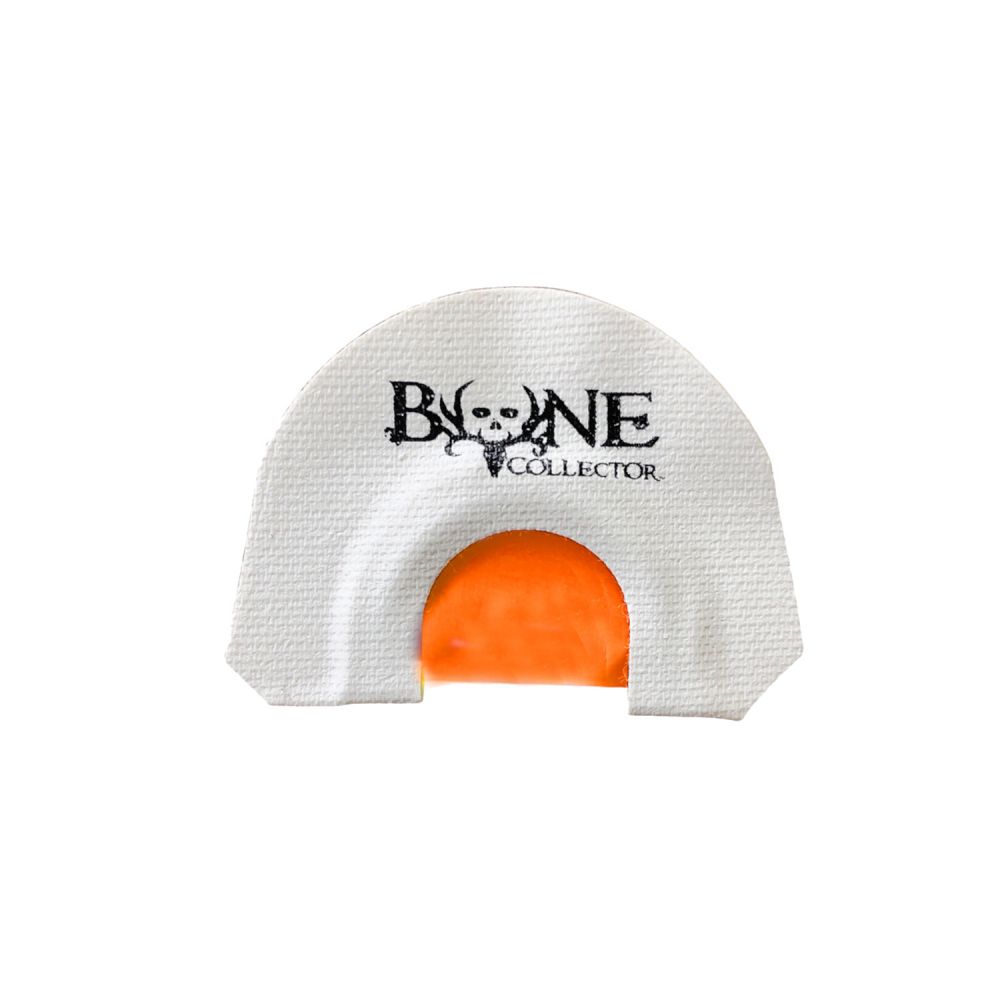
The Bone Collector Heavy Howler Predator Diaphragm Call promises to be a versatile tool for any predator hunter’s arsenal. Made in the USA by Bone Collector, this call boasts a heavy .004 latex reed designed for loud howls and barks. For $6.99, it seems like a minimal investment with the potential for a high return.
As someone who has spent countless hours in the field pursuing coyotes and foxes, I was intrigued by the claim that this diaphragm call could produce various vocalizations. It seemed like a way to simplify my calling setup and carry one call that could mimic howls, yips, distress calls, and even prey sounds. I was particularly drawn to the potential for loud howls, as I often hunt in areas with dense cover and strong winds.
My first encounter with the Bone Collector Heavy Howler Predator Diaphragm Call was underwhelming. The packaging was simple, just a small blister pack. The call itself felt lightweight, but the latex reed seemed sturdy enough.
I own several diaphragm calls from Primos and Foxpro, each specializing in different vocalizations. I chose the Bone Collector call hoping it would offer a blend of versatility and volume I haven’t yet found in my existing collection. I was hoping to replace carrying multiple calls with one.
Honestly, my initial reaction was hesitant optimism. The price point is attractive, but I’ve learned over the years that price doesn’t always equate to performance. I was ready to put it to the test.
Real-World Testing: Putting Bone Collector Heavy Howler Predator Diaphragm Call to the Test
First Use Experience
My first outing with the Bone Collector Heavy Howler Predator Diaphragm Call was on a crisp morning in the high desert of Nevada. I was targeting coyotes in an area known for its vast open spaces and unpredictable winds. The wind was blowing about 15 mph.
The call took a bit of getting used to. It was different from my other diaphragm calls, and I had to adjust my tongue and airflow to produce the desired sounds. Initially, I was struggling to get consistent howls. After about 20 minutes of practice, I started to get the hang of it. I managed some decent howls and barks, but I couldn’t quite nail the yips and distress calls.
One surprise was how much saliva built up while using it. I had to remove the call frequently to clear my mouth. I had no real success during the first outing.
Extended Use & Reliability
After a month of consistent use, the Bone Collector Heavy Howler Predator Diaphragm Call has proven to be somewhat durable. The latex reed hasn’t torn or frayed, despite being exposed to varying temperatures and moisture. It has been stored in a call case along with my other calls.
However, the call’s performance hasn’t improved significantly. While I can now produce consistent howls and barks, the yips and distress calls still sound somewhat artificial. It’s also still a challenge to produce subtle prey-in-distress sounds. The call requires constant cleaning to maintain optimal sound quality.
Compared to my Primos calls, which are known for their ease of use and realistic sounds, the Bone Collector call falls short. It doesn’t outperform my existing calls in any category. I still find myself reaching for my Foxpro electronic call for complex sound sequences.
Breaking Down the Features of Bone Collector Heavy Howler Predator Diaphragm Call
Specifications
The Bone Collector Heavy Howler Predator Diaphragm Call features a single heavy .004 latex reed. This thickness is intended to produce louder, more aggressive sounds. The call is designed to create howls, barks, yips, challenge vocalizations, and prey-in-distress sounds. It is proudly Made in the USA.
The .004 reed thickness is significant because it directly impacts the call’s volume and tone. A thicker reed generally produces a louder, deeper sound, ideal for reaching predators at a distance or cutting through wind. However, it can also make the call more difficult to control and less responsive to subtle changes in airflow. The fact that it’s made in the USA is a plus for quality control.
Performance & Functionality
The Bone Collector Heavy Howler Predator Diaphragm Call excels at producing loud, clear howls and barks. These sounds are effective for locating and attracting coyotes from a distance. It’s designed to do this well, but the quality of other sounds is questionable.
However, the call struggles to produce convincing yips, challenge vocalizations, and prey-in-distress sounds. These sounds require more finesse and control, which the thick reed doesn’t allow. The call’s limited versatility is a significant weakness. While it meets the basic expectations for howling, it doesn’t exceed them.
Design & Ergonomics
The Bone Collector Heavy Howler Predator Diaphragm Call features a simple, minimalist design. It is made of a molded plastic frame that holds the latex reed in place. The call is lightweight and comfortable enough to hold in your mouth for extended periods.
The design is functional but lacks any ergonomic features that would enhance user comfort or control. The learning curve is moderate. It requires practice to master the different vocalizations.
Durability & Maintenance
The Bone Collector Heavy Howler Predator Diaphragm Call appears to be relatively durable. The plastic frame is resistant to cracking and the latex reed holds up well to repeated use. Proper cleaning and storage are essential for prolonging the call’s lifespan.
Cleaning is straightforward. Rinsing the call with warm water after each use is sufficient. It is best to replace it once the reed starts to deteriorate.
Accessories and Customization Options
The Bone Collector Heavy Howler Predator Diaphragm Call comes with no additional accessories. There are no customization options available. Its basic design limits any potential modifications.
Due to its simple design, it’s not compatible with any specific aftermarket accessories. It’s a standalone product with no room for further enhancements.
Pros and Cons of Bone Collector Heavy Howler Predator Diaphragm CallPros
- Good volume: The heavy reed allows for loud and projecting howls.
- Price point: At $6.99, it’s an affordable option for beginners.
- Durability: The latex reed is surprisingly resilient.
- Made in USA: Quality manufacturing and materials.
Cons
- Limited versatility: Struggles to produce convincing yips and distress calls.
- Difficult to master: Requires significant practice and control.
- Subtle sounds: Not ideal for producing subtle prey-in-distress sounds.

Who Should Buy Bone Collector Heavy Howler Predator Diaphragm Call?
Pros
- Good volume: The heavy reed allows for loud and projecting howls.
- Price point: At $6.99, it’s an affordable option for beginners.
- Durability: The latex reed is surprisingly resilient.
- Made in USA: Quality manufacturing and materials.
Cons
- Limited versatility: Struggles to produce convincing yips and distress calls.
- Difficult to master: Requires significant practice and control.
- Subtle sounds: Not ideal for producing subtle prey-in-distress sounds.
The Bone Collector Heavy Howler Predator Diaphragm Call is perfect for beginner predator hunters looking for an affordable and loud howling call. It can be a good starting point for learning basic howling techniques.
Hunters seeking a versatile call capable of producing a wide range of realistic vocalizations should skip this product. Those who rely on subtle, nuanced calling techniques will also find it inadequate. An electronic call would be a better alternative for these hunters.
A must-have accessory would be a diaphragm call case to protect the reed from damage. Consider pairing it with a higher-quality, more versatile diaphragm call for other vocalizations.
Conclusion on Bone Collector Heavy Howler Predator Diaphragm Call
The Bone Collector Heavy Howler Predator Diaphragm Call offers a budget-friendly entry point into the world of predator calling. Its strength lies in its ability to produce loud, projecting howls, but its limited versatility and difficulty of use hold it back. It is a tool for simple tasks.
The price of $6.99 is justified for what it offers: a basic, durable howling call. However, experienced hunters will likely find it lacking compared to higher-end alternatives. It’s an inexpensive option to get started.
I would cautiously recommend it to beginners who are primarily interested in learning how to howl. For more experienced hunters, or those seeking a more versatile and realistic call, I would suggest investing in a higher-quality product. Give howling a try with this call, but don’t expect it to replace more specialized equipment.