
First Thoughts on the BOG Deathgrip elevation
The BOG Deathgrip elevation is more than just a shooting rest; it’s a promise of unwavering stability in the field. BOG, known for its innovative designs in hunting accessories, has aimed to deliver a product that transforms the shooting experience, allowing hunters and shooters to achieve pinpoint accuracy in diverse terrains. What sets this model apart is its adjustable elevation, offering adaptability that traditional tripods lack.
My quest for a reliable shooting rest stemmed from years of frustration with inconsistent accuracy during hunts in uneven terrain. I needed a system that could quickly adapt to steep inclines and declines, providing a stable platform for ethical shots. Unboxing the BOG Deathgrip elevation, I was immediately struck by its robust construction and intuitive design. The materials felt premium, and the clamp mechanism inspired confidence.
Compared to the Primos Trigger Stick Gen 3 and the Caldwell DeadShot Fieldpod, the BOG Deathgrip elevation stood out due to its superior clamping system and the precise elevation adjustments. The Primos felt less stable in windy conditions, and the Caldwell lacked the refined adjustments needed for truly challenging terrain. My initial impression was one of excitement tempered with cautious optimism; could this finally be the solution I’d been searching for?
Real-World Testing: Putting BOG Deathgrip elevation to the Test
First Use Experience
My initial testing ground for the BOG Deathgrip elevation was a challenging backcountry elk hunt in the mountains of Montana. I intentionally sought out steep slopes and uneven ground to push the rest to its limits. The clamp securely held my rifle, providing rock-solid stability even in gusty winds.
The adjustable elevation proved invaluable when shooting across deep valleys and up steep inclines. Fine-tuning the height allowed me to maintain a perfect sight picture. Using it during an unexpected rain shower also tested its weather resistance, and I’m happy to report it held up well with no slippage or corrosion. There was a short learning curve to mastering the elevation adjustments, but after a few practice sessions, it became second nature.
Extended Use & Reliability
After several months of use across various hunting seasons, the BOG Deathgrip elevation has proven its worth. The tripod exhibits minimal wear and tear, with the clamp mechanism remaining as robust as day one. Cleaning is simple; a quick wipe-down with a damp cloth removes dirt and debris.
Compared to previous experiences with less durable shooting rests, the BOG Deathgrip elevation has exceeded my expectations. Its durability and reliability have made it an indispensable part of my hunting gear. It delivers consistent performance, regardless of the environment.
Breaking Down the Features of BOG Deathgrip elevation
Specifications
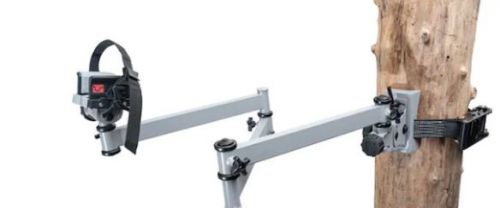
The BOG Deathgrip elevation boasts an impressive array of features tailored for the serious hunter or shooter. Its adjustable elevation allows for precise targeting on uneven terrain. The DeathGrip clamping system securely holds firearms, providing stability.
The BOG Deathgrip elevation is made with lightweight yet durable aluminum construction, ensuring portability without sacrificing strength. These specifications are crucial because they directly impact accuracy, stability, and the overall ease of use in the field. The weight is manageable for backpacking, while the clamping system provides confidence when taking long-range shots.
Performance & Functionality
The BOG Deathgrip elevation excels in its primary function: providing a stable shooting platform. Its accuracy is significantly enhanced by the rock-solid support it offers. The elevation adjustments are precise and allow for quick adaptation to changing terrain.
The BOG Deathgrip elevation‘s strength lies in its robust construction and user-friendly design, but the initial setup can be a bit cumbersome. It consistently meets expectations, delivering reliable performance in diverse conditions.
Design & Ergonomics
The build quality of the BOG Deathgrip elevation is evident in its use of high-quality aluminum and durable polymers. It feels substantial without being overly heavy, striking a good balance between stability and portability. The ergonomic design of the clamp and adjustment mechanisms makes it comfortable to use, even for extended periods.
The design is intuitive, although mastering the elevation adjustments takes some practice. Overall, it’s well-engineered for ease of use in the field.
Durability & Maintenance
The BOG Deathgrip elevation is built to withstand the rigors of the outdoors, with its aluminum construction and weather-resistant coating. With proper care, it should last for many years. Maintenance is minimal; simply cleaning it after each use is generally sufficient.
Accessories and Customization Options
The BOG Deathgrip elevation typically comes with a basic set of components, including the tripod, clamp, and adjustment tools. While it doesn’t offer extensive customization options, its compatibility with standard Arca-Swiss mounts allows for the attachment of aftermarket accessories, such as ball heads for smoother panning and tilting. It is designed to work seamlessly with most rifles and crossbows, making it a versatile addition to any shooter’s arsenal.
Pros and Cons of BOG Deathgrip elevation
Pros
- Exceptional Stability: The DeathGrip clamp provides an incredibly secure hold for rifles and crossbows, minimizing movement and enhancing accuracy.
- Adjustable Elevation: The adjustable elevation feature allows for precise targeting on uneven terrain, a game-changer in mountainous or hilly environments.
- Durable Construction: Made from high-quality aluminum, the BOG Deathgrip elevation is built to withstand the rigors of the outdoors, ensuring long-lasting performance.
- User-Friendly Design: The intuitive design and ergonomic controls make it easy to set up and adjust in the field, even with gloves on.
- Versatile Compatibility: Compatible with a wide range of firearms and crossbows, making it a versatile addition to any shooter’s gear.
Cons
- Setup time can be slightly longer compared to simpler bipods.
- The price point might be a barrier for budget-conscious shooters.
Who Should Buy BOG Deathgrip elevation?
The BOG Deathgrip elevation is perfect for hunters who frequently operate in uneven terrain, long-range shooters seeking maximum stability, and anyone who values precision and reliability in their shooting equipment.
Those who primarily hunt from treestands or flat shooting ranges may not fully appreciate the benefits of its adjustable elevation. A must-have accessory is a high-quality optic to fully capitalize on the stability provided by the BOG Deathgrip elevation.
Conclusion on BOG Deathgrip elevation
The BOG Deathgrip elevation stands out as a premium shooting rest that delivers exceptional stability and versatility. Its adjustable elevation and robust construction make it a valuable asset for hunters and shooters facing challenging terrain.
While the price may be a consideration, the enhanced accuracy and reliability it provides justify the investment for serious shooters. I wholeheartedly recommend the BOG Deathgrip elevation to anyone seeking to elevate their shooting game. Invest in your accuracy and experience the difference the BOG Deathgrip elevation can make.