
Let’s Dive into Allen Backcountry Full Body Carcass Bag
The Allen Backcountry Full Body Carcass Bag is designed to be a simple, yet effective solution for hunters needing to protect their harvested game in the field. Allen promises breathability and wicking properties in a lightweight package, suitable for deer, sheep, and antelope. This bag aims to provide essential protection against insects, debris, and the elements while preserving the meat quality.
I was looking for a reliable and lightweight carcass bag after a hard lesson learned during a backcountry elk hunt. A cheap plastic tarp didn’t breathe at all and resulted in spoilage. The Allen Backcountry Full Body Carcass Bag seemed like a viable option with its breathable material claim and reasonable price point.
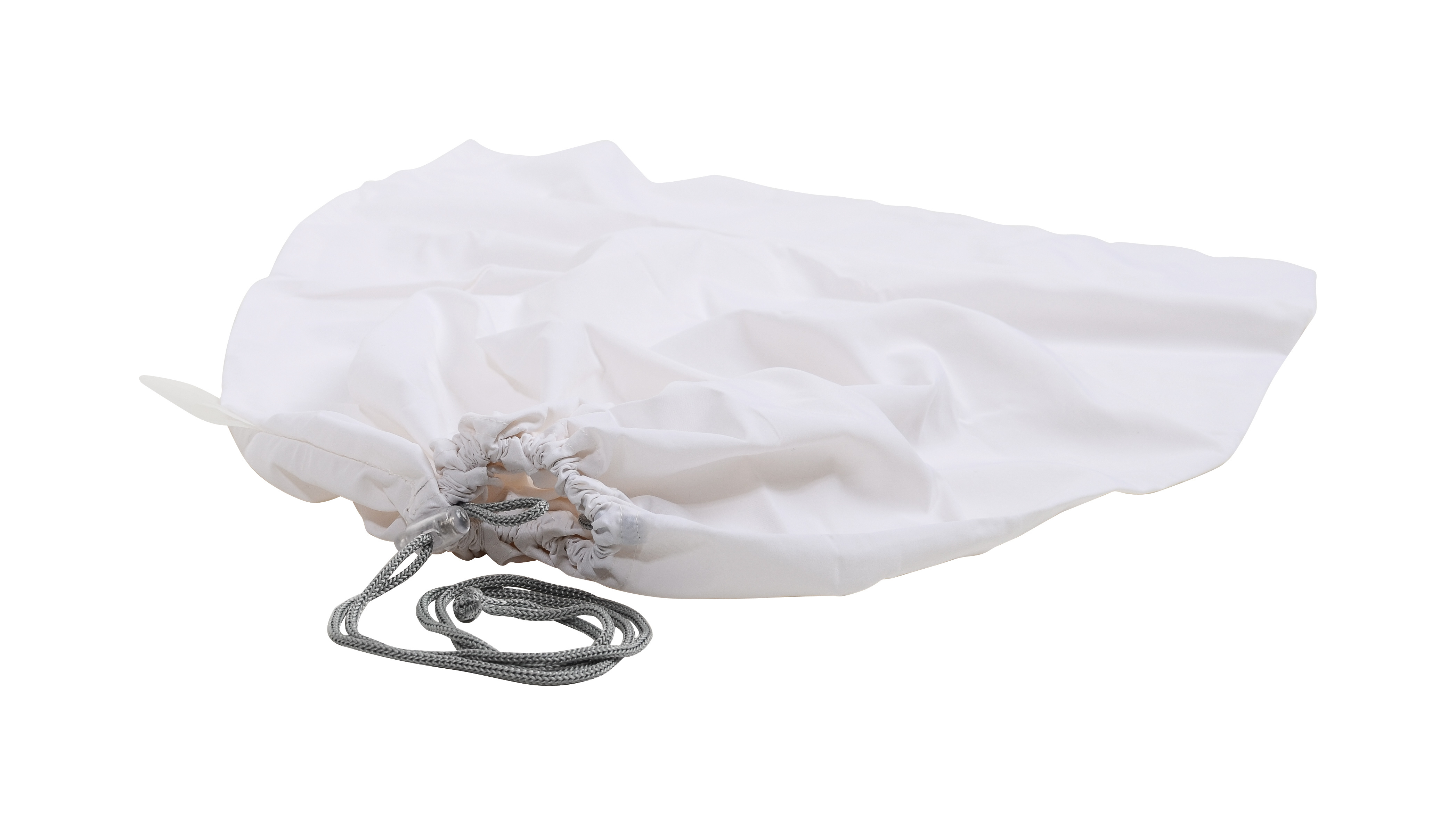
Unboxing the bag, I was immediately struck by its simplicity. It felt surprisingly thin and lightweight, giving me slight concerns about its overall durability, but hopeful that it would allow adequate airflow. The material felt like a synthetic blend, not quite as robust as the canvas bags I’ve used in the past, but significantly lighter.
Compared to heavier canvas bags or even Tyvek alternatives, the Allen Backcountry Full Body Carcass Bag wins on packability and weight. Cheaper plastic options are a non-starter for me, due to lack of breathability and ripping easily on bone. I chose this bag hoping for a balance between weight, breathability, and reasonable protection.
My first impression was cautiously optimistic. The Allen Backcountry Full Body Carcass Bag appeared to be a decent solution for quick backcountry hunts where weight is paramount, but I reserved judgment until I could test its performance in the field. Its light weight and compact size were definite positives.
Real-World Testing: Putting Allen Backcountry Full Body Carcass Bag to the Test
First Use Experience
I first tested the Allen Backcountry Full Body Carcass Bag on a solo deer hunt in the high desert of eastern Oregon during an early October archery season. The temperatures fluctuated wildly, from near-freezing nights to warm, sunny days reaching into the 60s. I needed to quarter the deer to pack it out and used the bag to protect the meat from dirt and insects.
The bag performed adequately in dry conditions, keeping the meat relatively clean and allowing some airflow. However, the thin material worried me when dragging the quarters short distances over rocky terrain, requiring careful placement. The drawstring closure was simple but effective at keeping insects out.
The Allen Backcountry Full Body Carcass Bag was initially easy to use, requiring no setup beyond opening it and placing the quartered meat inside. No special knots or complex procedures were needed to secure it. The large opening was a welcome feature, making loading easy even in low light conditions.
The first-time use revealed a potential issue: the bag seemed prone to snags and small tears, especially when coming into contact with sharp bone edges. I also noticed a slight “plastic-y” smell that, while not overpowering, made me question how truly breathable the material was.
Extended Use & Reliability
After several weeks and two more successful hunts, the Allen Backcountry Full Body Carcass Bag showed noticeable wear and tear. Small tears and snags were evident, particularly in areas where the bag rubbed against rocks or sharp vegetation. The bag still functions, but its lifespan seems limited.
The durability is a concern, especially if you are hunting in rough terrain. The bag did what it was supposed to do, protect the meat, but it’s definitely a single-season, maybe two-season, type of product. I also noticed a slight degradation of the material in direct sunlight, becoming a bit brittle.
Cleaning the bag is simple; I just turned it inside out and hosed it down. I wouldn’t recommend machine washing it, as that would likely accelerate its degradation. Air drying is quick due to the thin material, but the stains from blood and fluids are difficult to completely remove.
Compared to a canvas bag I used previously, the Allen Backcountry Full Body Carcass Bag wins on weight and packability but loses significantly in durability. The canvas bag was heavier and bulkier, but it lasted for years and provided better protection against punctures and tears. Overall, the Allen Backcountry Full Body Carcass Bag is a budget-friendly compromise, trading longevity for convenience.
Breaking Down the Features of Allen Backcountry Full Body Carcass Bag
Specifications
The Allen Backcountry Full Body Carcass Bag measures 36 inches by 72 inches, making it suitable for deer, sheep, and antelope. It is made from a “breathable, wicking material,” according to Allen, and features a drawstring closure. The package includes one full body carcass bag, and the color is white.
The dimensions are sufficient for most deer-sized game, allowing ample space for quartered meat or a whole animal if desired. The drawstring closure provides a simple and reliable way to seal the bag and protect the contents. The “breathable, wicking material” is crucial for preventing spoilage by allowing moisture to escape.
Performance & Functionality
The Allen Backcountry Full Body Carcass Bag performs its primary function—protecting game meat—adequately, especially in dry conditions and when handled carefully. The material allows some airflow, which is crucial for preventing spoilage, though the level of breathability feels limited. The drawstring closure is simple and effective for keeping insects and debris out.
While the bag does its job, its main weakness is its durability. The thin material is prone to tears and snags, especially when dragging or handling rough terrain. It’s definitely not built for heavy-duty use or repeated abuse.
The bag met my basic expectations for a lightweight carcass bag, but its longevity is questionable. It’s a decent option for hunters prioritizing weight and packability over long-term durability.
Design & Ergonomics
The Allen Backcountry Full Body Carcass Bag is designed for simplicity and ease of use. Its rectangular shape and large opening make it easy to load and unload, even with bulky quartered meat. The drawstring closure is intuitive and requires no special knots or techniques.
The build quality reflects its budget-friendly price point; the material feels thin and less robust than more expensive options. The lightweight design makes it easy to pack and carry, but it sacrifices durability. The lack of reinforced seams or puncture-resistant material detracts from its overall quality.
There is virtually no learning curve; it’s a basic bag that requires no special knowledge or techniques to use effectively. The design prioritizes simplicity and ease of use over advanced features or rugged construction.
Durability & Maintenance
The Allen Backcountry Full Body Carcass Bag is not designed for long-term use. With careful handling, it might last for a season or two of light to moderate hunting. However, in rugged terrain or with heavy use, tears and snags are likely to occur relatively quickly.
Maintenance is simple – just rinse it out and air dry. Repairing tears is possible with duct tape or patching, but it’s unlikely to restore its original integrity. The bag is essentially disposable, which is reflected in its low price point.
Accessories and Customization Options
The Allen Backcountry Full Body Carcass Bag comes with no additional accessories. It is a standalone product intended for basic carcass protection. There are no specific customization options available.
Due to its simple design, it’s compatible with generic accessories like rope or carabiners for hanging the bag, but there are no specialized accessories designed specifically for it. You could use larger heavy duty zip ties instead of the drawstring for more security.
Pros and Cons of Allen Backcountry Full Body Carcass Bag
Pros
- Lightweight and packable, making it ideal for backcountry hunts.
- Affordable price point that fits within a budget.
- Breathable material helps prevent spoilage by allowing airflow.
- Easy to use with a simple drawstring closure.
- Large enough to fit deer, sheep, or antelope.
Cons
- Limited durability and prone to tears and snags.
- Material feels cheap and might not withstand heavy use.
- Breathability is questionable; the material still feels somewhat plastic-like.
Who Should Buy Allen Backcountry Full Body Carcass Bag?
The Allen Backcountry Full Body Carcass Bag is perfect for budget-conscious hunters who prioritize weight and packability over long-term durability. It’s also suitable for hunters who primarily hunt in relatively easy terrain, where the risk of tearing the bag is minimal. This bag is ideal for protecting smaller game animals.
Hunters needing a more robust and durable solution for rugged terrain or frequent use should skip this product. They should opt for heavier canvas bags or alternatives with reinforced construction. Also avoid if you are expecting to pack out animals that require quartering and dragging across sharp rock or through thick brush.
Must-have modifications include duct tape for field repairs and potentially replacing the drawstring with a stronger cord. A small repair kit can extend its lifespan in the field.
Conclusion on Allen Backcountry Full Body Carcass Bag
The Allen Backcountry Full Body Carcass Bag is a serviceable option for hunters seeking an affordable and lightweight solution for protecting their game in the field. While it fulfills its primary function, its limited durability is a significant drawback. It’s not a bag built for longevity or heavy abuse.
The price is justified for what you get—a basic, disposable carcass bag that will do the job in a pinch. However, don’t expect it to last for years of hard use. Its a good value for the money if you understand its limitations.
I would recommend the Allen Backcountry Full Body Carcass Bag to hunters on a tight budget or those who prioritize packability over durability, with the understanding that it might need to be replaced after a season or two. For serious backcountry hunters, consider a more durable alternative. Always pack duct tape!