
First Thoughts on the Battle Bones
In the world of hunting and tactical operations, effective communication and stealth are paramount. The Battle Bones, from an undisclosed manufacturer, promises to deliver on both fronts with its unique design focused on long-range audibility and concealed movement. This product claims to offer realistic rattling tones in a compact and easily deployable package.
My journey to discovering the Battle Bones stemmed from a need for a reliable, yet subtle, game call system. I’ve spent countless hours tracking elusive prey, often frustrated by the limited range and unnatural sounds of electronic calls. The promise of realistic bone-on-bone rattling, coupled with its purported stealthy design, piqued my interest.
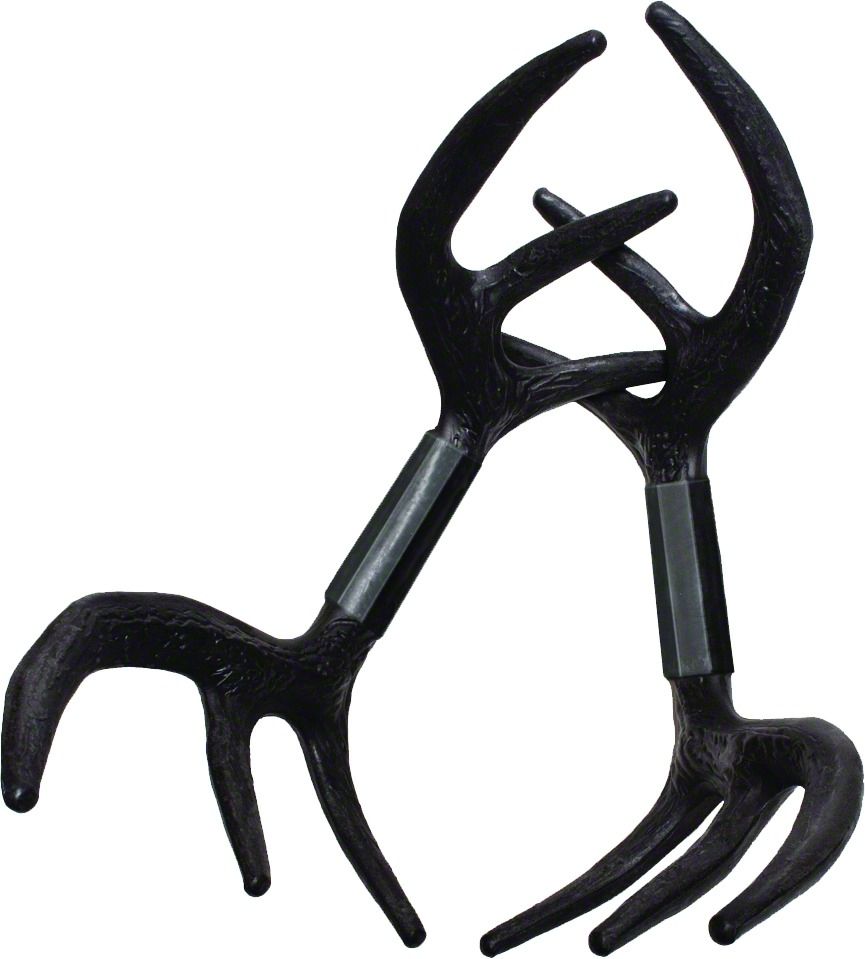
Upon receiving the Battle Bones, my initial impression was one of minimalist functionality. The black color is certainly geared towards concealment, and the compact size is appealing for easy carry. However, the overall feel is rather basic; there’s no immediate indication of premium build quality, but that’s not unexpected at the $19.99 price point.
Similar products on the market include traditional antler rattling systems, electronic game calls, and even DIY bone call setups. I chose the Battle Bones primarily for its purported “Bone Core Technology,” hoping it would offer a more authentic sound than synthetic alternatives, and for its two full racks design made for maximum long range sounds. Compared to carrying bulky antlers, or relying on battery-powered devices, the Battle Bones seemed like a potentially lighter, more streamlined, and more natural solution.
My first impression was cautiously optimistic. I was eager to test the claims of realistic sound and long-range projection in a real-world hunting scenario. The low price point makes it an accessible entry into bone rattling, but the proof, as always, would be in the performance.
Real-World Testing: Putting Battle Bones to the Test
First Use Experience
My first deployment of the Battle Bones was during a whitetail deer hunt in the dense forests of northern Wisconsin. The conditions were challenging; a light drizzle dampened the foliage, and the wind carried a slight chill. I sought a vantage point overlooking a known deer crossing, hoping to lure a buck within range.
The ease of use was immediately apparent. The Battle Bones are simple to deploy and manipulate, producing rattling sounds with minimal effort. While the sound did carry a distance, it lacked the nuanced, authentic tone of real antlers. The sound felt more like plastic on plastic rather than bone on bone.
After about 30 minutes of intermittent rattling, a young buck cautiously approached, but he didn’t commit and quickly retreated back into the thicket. This suggests the Battle Bones can attract attention, but perhaps not consistently fool wary game animals. The wet conditions didn’t appear to negatively impact the functionality.
Extended Use & Reliability
After several weeks of use across multiple hunting trips, the Battle Bones have held up reasonably well, considering their construction. There are no signs of breakage or significant wear and tear. Cleaning is a breeze; a simple wipe-down with a damp cloth removes any dirt or debris.
However, my initial concerns about the sound quality persist. Over time, the rattling tone has become somewhat monotonous. Compared to my experiences with actual antlers, the Battle Bones fall short in replicating the variations and complexities of natural bone sounds.
The Battle Bones simply doesn’t outperform my previous antler rattling system or using traditional calls. While convenient and affordable, its limited sound quality hinders its effectiveness in consistently attracting game.
Breaking Down the Features of Battle Bones
Specifications
The Battle Bones feature a 2 Full Racks design for maximum long range sounds. The product description also highlight Bone Core Technology for realistic rattling tone. Its Black color is intended to give the user a concealed movement during operation.
These specifications are crucial because they directly impact the effectiveness of the call. A realistic sound and good range are essential for attracting game, while a compact, stealthy design enhances the hunter’s overall concealment.
Performance & Functionality
The Battle Bones do function as intended, producing rattling sounds that can carry a moderate distance. The main weakness lies in the sound quality, which lacks the natural variation and depth of real antlers. The bone rattling tone is the bare minimum expected in this arena.
The product meets expectations in terms of portability and ease of use, but falls short in delivering truly realistic sound.
Design & Ergonomics
The Battle Bones are lightweight and easy to handle. The black color is practical for concealment. However, the plastic construction feels somewhat cheap and lacks the satisfying weight and texture of natural bone or higher-quality synthetic materials. The product is relatively user-friendly, requiring minimal learning curve.
Durability & Maintenance
The plastic construction seems reasonably durable for the price point. Maintenance is simple, requiring only occasional cleaning. However, the long-term durability remains a question, as the plastic could become brittle or crack over time with repeated use and exposure to the elements.
Accessories and Customization Options
The Battle Bones are a self-contained unit and do not offer any customization options. There are no additional accessories included. Its simplicity is both a strength and a weakness; while it’s easy to use, it lacks the versatility of more modular or customizable systems.
Pros and Cons of Battle Bones
Pros
- Affordable price point at $19.99.
- Lightweight and portable design.
- Easy to use with minimal learning curve.
- Black color for enhanced concealment.
- Low Maintenance requirements.
Cons
- Unrealistic rattling tone.
- Plastic construction feels cheap.
- Limited sound variation.
Who Should Buy Battle Bones?
The Battle Bones are perfect for beginner hunters looking for an affordable and simple entry into rattling techniques. Casual campers and hikers who want a lightweight signaling device could also find them useful. Those who value convenience and portability over sound realism will likely be satisfied.
Hunters seeking a truly authentic and effective rattling system should skip this product. Experienced hunters who demand high-quality sound and nuanced control will likely be disappointed. Anyone prioritizing durability and long-term reliability might want to invest in a more robust option.
A lanyard for hands-free carry is a must-have accessory.
Conclusion on Battle Bones
The Battle Bones offer an affordable and convenient way to experiment with rattling techniques. While they fall short in delivering truly realistic sound, their portability and ease of use make them a decent option for beginners or casual users.
The price is justified for what you get; a simple, functional rattling device. However, serious hunters should consider investing in higher-quality alternatives.
I would recommend the Battle Bones with reservations. If you’re on a tight budget and just want to try rattling, they’re a reasonable starting point. However, be prepared to upgrade to a more realistic system as your skills and experience grow. Ultimately, the Battle Bones is a budget-friendly entry point into the world of game calls, but don’t expect it to replace the effectiveness of experience or more realistic options. Give them a try, but be aware of their limitations.