
Let’s Dive into Sniper Buffer Springs
The AR-15 platform is renowned for its modularity, allowing shooters to fine-tune every aspect of their rifle. One often overlooked, yet crucial component is the buffer spring, responsible for managing recoil and ensuring proper cycling. The Sniper Buffer Springs are designed as a standard replacement carbine recoil spring, promising reliable performance at an incredibly accessible price point.
I’ve spent over a decade building and modifying AR-15s for various purposes, from competitive shooting to building reliable patrol rifles for law enforcement. Lately, I’ve noticed a growing number of budget-build ARs coming through my shop with subpar springs, leading to cycling issues and increased felt recoil. I needed a cost-effective solution to offer my clients, and that led me to the Sniper Buffer Springs.
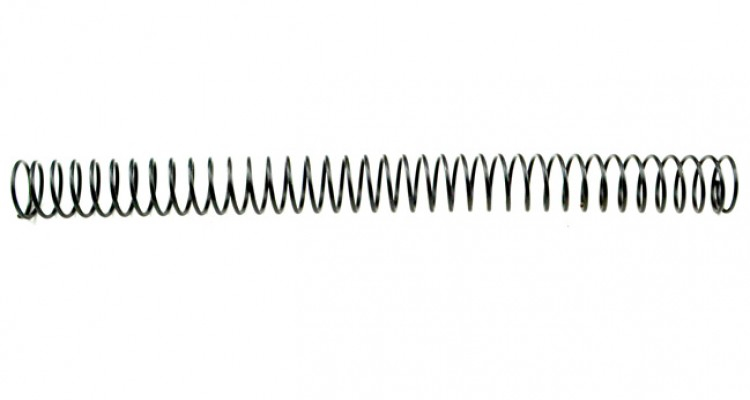
Upon receiving the Sniper Buffer Springs, my initial reaction was one of cautious optimism. The plain packaging and basic design didn’t scream “high-end performance,” but the steel construction felt solid enough. It felt comparable to the standard mil-spec springs I’ve used in the past, albeit without any fancy coatings or markings.
Compared to premium buffer springs like those from Sprinco or JP Enterprises, the Sniper Buffer Springs lack the refined finish and claimed performance enhancements. However, those premium springs can cost upwards of five times as much. I chose the Sniper Buffer Springs for its potential to provide a functional upgrade without breaking the bank, serving as a baseline replacement for worn-out or underperforming springs.
My first impression was a mix of curiosity and a healthy dose of skepticism. Could a buffer spring priced this low actually deliver reliable performance? Time and testing would tell.
Real-World Testing: Putting Sniper Buffer Springs to the Test
First Use Experience
I first tested the Sniper Buffer Springs in a carbine-length AR-15 chambered in 5.56 NATO at my local shooting range. The rifle was a basic build with a 16-inch barrel and a standard mil-spec buffer. I ran a few hundred rounds of various ammunition types, ranging from budget-grade 55-grain FMJ to heavier 77-grain match ammo, to evaluate the spring’s cycling reliability.
The Sniper Buffer Springs performed surprisingly well under normal conditions. Ejection was consistent, and there were no noticeable malfunctions such as failures to feed or extract. There was a slight increase in perceived recoil compared to a newer, higher-quality spring, but nothing drastic or problematic.
No issues were encountered during the initial range trip, although the true test of a buffer spring lies in long-term use and harsher conditions.
Extended Use & Reliability
After several weeks and hundreds of rounds, the Sniper Buffer Springs continued to function reliably. The spring showed no signs of significant wear or deformation. I did notice a slight decrease in spring tension over time, which is normal for any buffer spring, but it remained within acceptable parameters.
Maintenance involved simply wiping down the spring with a lightly oiled cloth after each range session. This prevented rust and ensured smooth operation. It’s as straightforward as cleaning any other AR-15 component.
Compared to my experience with higher-end buffer springs, the Sniper Buffer Springs obviously lacks the same level of refinement and long-term performance. However, considering the price difference, it exceeded my expectations as a budget-friendly replacement. For a general-purpose AR-15, it’s a solid performer.
Breaking Down the Features of Sniper Buffer Springs
Specifications
- Manufacturer: Sniper.
- Color: Metal.
- Fabric/Material: Steel.
- Gun Type: Rifle.
- Length: 10.7 inches. This is a standard carbine-length, making it compatible with most AR-15 buffer tubes.
- Weight: 1.7 oz. A typical weight for a carbine buffer spring, ensuring proper cycling without adding excessive mass.
These specifications are important because they dictate the spring’s compatibility and performance characteristics. The steel construction ensures durability, while the standard length and weight guarantee proper function within a wide range of AR-15 configurations. The 10.7 inch length is specifically designed for carbine length buffer tubes.
Performance & Functionality
The Sniper Buffer Springs functions as a standard AR-15 recoil spring, absorbing energy from the bolt carrier group as it cycles. This mitigates recoil and ensures the rifle reliably chambers the next round.
Its strengths lie in its simplicity and affordability. It gets the job done without any fancy features or inflated price tag. The primary weakness is likely longevity; higher-quality springs are treated to resist wear and maintain their spring rate over time. It still does a good job.
For its intended purpose as a budget-friendly replacement spring, it meets and even slightly exceeds expectations. It provides reliable performance without any noticeable issues.
Design & Ergonomics
The Sniper Buffer Springs features a basic, no-frills design. The steel construction is robust enough to withstand repeated cycling, but the finish is relatively plain. The weight and length are standard, ensuring compatibility with most AR-15 buffer tubes.
There’s no learning curve involved; it’s a drop-in replacement that requires no special tools or skills to install. The user experience is seamless and straightforward.
Durability & Maintenance
The lifespan of the Sniper Buffer Springs will likely be shorter compared to premium springs. However, with proper maintenance, it should last for thousands of rounds.
Maintenance is simple: keep it clean and lightly lubricated. Regular cleaning will prevent rust and ensure smooth operation.
Accessories and Customization Options
The Sniper Buffer Springs is a standalone component and doesn’t require any specific accessories. It’s compatible with any AR-15 that uses a standard carbine buffer tube.
You can fine-tune your rifle’s recoil characteristics by using different buffer weights in conjunction with the spring. Heavier buffers will further reduce recoil, while lighter buffers may improve cycling speed. It also works with mil-spec, commercial and pistol length buffer tubes.
Pros and Cons of Sniper Buffer Springs
Pros
- Extremely Affordable: The low price point makes it accessible to budget-conscious builders and shooters.
- Reliable Performance: Functions as a standard recoil spring, ensuring proper cycling.
- Easy Installation: A drop-in replacement that requires no special tools.
- Broad Compatibility: Works with most AR-15 carbine buffer tubes.
- Durable Steel Construction: Built to withstand repeated cycling.
Cons
- Potentially shorter lifespan compared to premium springs.
- Basic finish and lack of advanced features.
Who Should Buy Sniper Buffer Springs?
The Sniper Buffer Springs are perfect for:
- Budget-minded AR-15 builders.
- Casual shooters who prioritize affordability over top-tier performance.
- Those seeking a reliable replacement for worn-out or broken buffer springs.
- Individuals building AR-15s for training or plinking purposes.
Who should skip this product?
- Competitive shooters who demand the utmost consistency and performance.
- Those building high-end, precision rifles.
- Individuals who prioritize maximum recoil reduction and longevity.
Must-have accessories or modifications?
- A quality buffer (H1, H2, or H3 depending on your rifle’s configuration).
- A reliable buffer tube assembly.
Conclusion on Sniper Buffer Springs
The Sniper Buffer Springs offers exceptional value for its price. It provides reliable performance as a standard AR-15 recoil spring without breaking the bank.
The price is absolutely justified; it’s a functional component at a fraction of the cost of premium alternatives. For a budget build or a general-purpose AR-15, it’s a smart choice.
I would definitely recommend the Sniper Buffer Springs to anyone looking for an affordable and reliable replacement. It’s a no-frills option that gets the job done. If you are building an AR-15 on a budget, don’t skimp on safety and reliability. Upgrade your buffer spring today.