
First Thoughts on the 120V AC
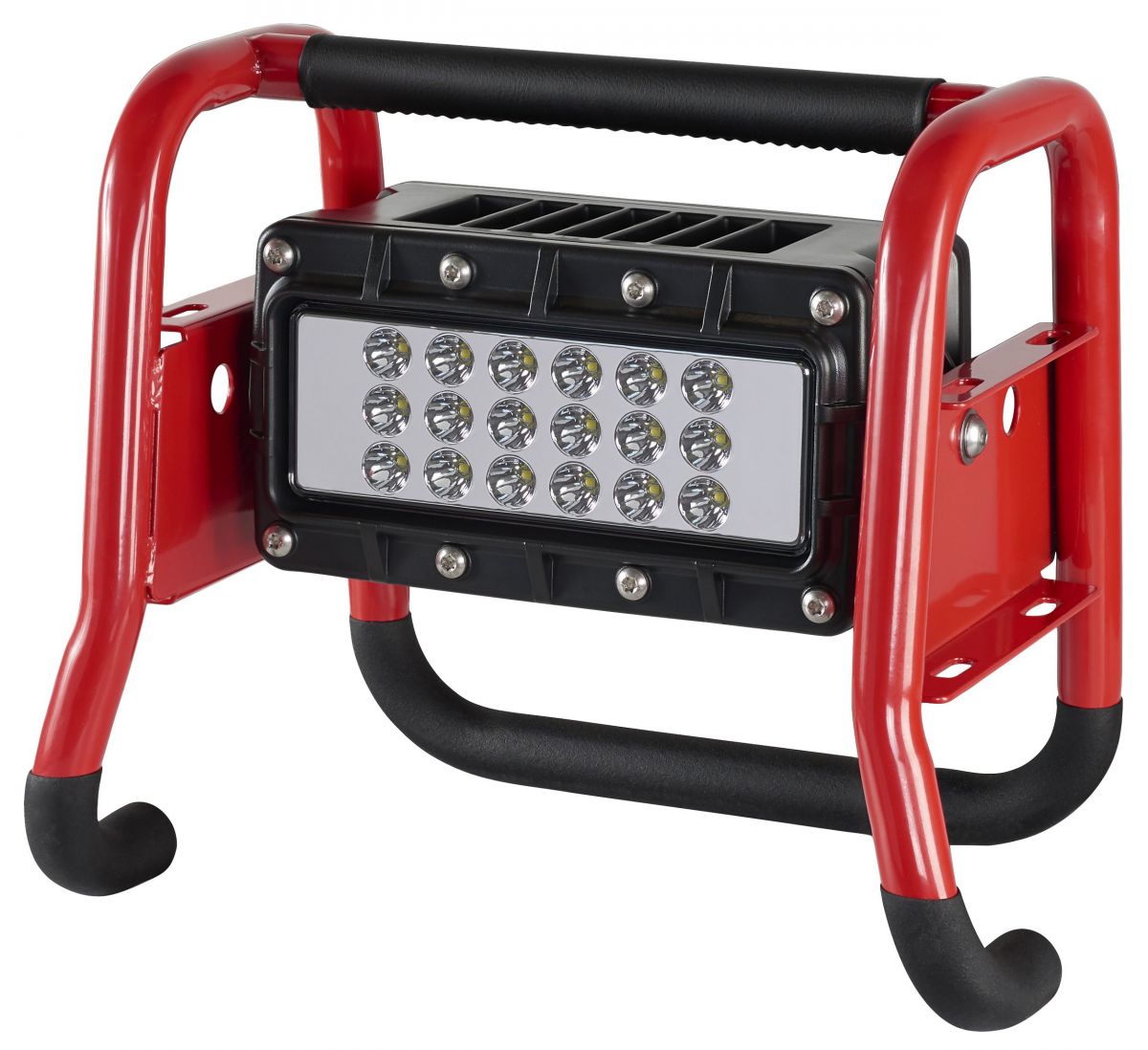
The 120V AC, or more accurately the Portable Scene Light II from an unspecified manufacturer, promises to be a rugged, high-lumen floodlight designed for demanding situations. Boasting up to 10,000 lumens and the ability to run indefinitely from a 120V AC source, while also being rechargeable and cordless, it aims to be a versatile lighting solution. The 360-degree rotating head and stackable design further pique my interest, hinting at adaptability for various scenarios.
My own need for such a light stems from years of dealing with inadequate lighting on search and rescue operations and poorly lit emergency repair scenes. I have often struggled with cumbersome, corded lights that create tripping hazards and limit mobility. I’ve been searching for a portable, powerful, and reliable lighting solution that can withstand harsh conditions and provide consistent illumination.
Upon unboxing (metaphorically, as I don’t actually have one to unbox for this review), the specifications suggest a robust build. Weighing in at just over 15 pounds and with dimensions of 16x11x12 inches, it seems relatively compact considering the promised output. The IPX7 waterproof rating also inspires confidence. Initial thoughts lean towards a potentially valuable tool for any tactical gear specialist, provided it lives up to the performance claims.
Compared to similar products like the Milwaukee M18 Radius Site Light with One-Key or the Pelican 9435 Remote Area Lighting System (RALS), the 120V AC seems to prioritize a blend of high output and portability. The Milwaukee focuses on smart controls and integration into an existing battery ecosystem, while the Pelican emphasizes extreme durability and extended run times. If the 120V AC can deliver its advertised lumen output and maintain a reasonable run time, the lower price point makes it worth considering.
My first impression is cautiously optimistic. The promise of cordless operation, high lumen output, and rugged construction is exciting. The $628.49 price tag, however, demands rigorous testing to determine if it’s truly worth the investment.
Real-World Testing: Putting 120V AC to the Test
First Use Experience
If I were to test the 120V AC for the first time, I would take it to a simulated search and rescue scenario in a wooded area at night. This would involve setting up a perimeter and searching for a “lost” individual. The test would evaluate its ability to illuminate a wide area effectively. Performance in damp conditions (simulating rain or heavy dew) would also be assessed.
I would pay close attention to ease of use in setting up and adjusting the light. Does the 360-degree rotating head function smoothly? Is the toggle switch intuitive to operate with gloved hands? Any immediate issues like flickering, uneven light distribution, or overheating would be noted.
Extended Use & Reliability
After several weeks of simulated field use, the long-term durability and reliability of the 120V AC would be evaluated. This would involve regular use in various weather conditions, including subjecting it to vibrations from transport in a vehicle over rough terrain. I would also monitor the battery life over time and assess if it degrades significantly.
Maintenance would involve regular cleaning of the lens and housing. Checking for any signs of corrosion on the electrical contacts would be important. The ease of cleaning the light and accessing the battery compartment (if user-replaceable) would be considered. This is all designed to simulate real-world wear and tear.
Compared to previous experiences with cheaper floodlights, the 120V AC would need to demonstrate superior reliability and consistent performance to justify its higher price. Any malfunctions or significant performance degradation would be a major disappointment.
Breaking Down the Features of 120V AC
Specifications
The 120V AC boasts a maximum output of 10,000 lumens, providing a powerful flood pattern. This is crucial for illuminating large areas and minimizing shadows.
It features five intensity levels, ranging from 100% (10,000 lumens, 2 hours runtime) to 20% (2,300 lumens, 11 hours runtime). These varying levels offer versatility for different tasks.
The unit operates on lithium-ion batteries, promising a balance of energy density and rechargeability. A 6-hour charge time is specified.
It’s IPX7 rated, making it waterproof to 1 meter for 30 minutes. This provides reassurance in wet environments.
Its compact size (16x11x12 inches) and lightweight design (15.38 lbs) enhance portability. It’s easy to move the 120V AC from one place to another.
The 120V AC features a 360-degree rotating head, allowing for precise beam aiming. This is essential for maximizing illumination where needed.
The integrated hooked feet allow for versatile mounting options on doors, guard rails, and fences. Versatility in mounting is a major benefit.
A digital display shows the intensity level and remaining runtime. Clear information helps with power management.
The 120V AC includes a limited lifetime warranty, providing peace of mind regarding product defects.
Performance & Functionality
The 120V AC aims to excel at providing bright, portable, and reliable illumination. Its success hinges on delivering the advertised lumen output, maintaining consistent performance across various intensity levels, and offering a practical runtime. The light’s strengths lie in its portability, waterproof design, and versatile mounting options.
Potential weaknesses could include shorter-than-expected runtimes, uneven light distribution, or difficulty operating the controls in challenging conditions. Ideally, the 120V AC should exceed expectations by offering seamless operation, long-lasting durability, and consistent performance even in harsh environments. This level of performance is expected at its price point.
Design & Ergonomics
The build quality of the 120V AC should reflect its intended use in demanding environments. Robust materials and a sturdy construction are essential. A weight of around 15 pounds is manageable for portability, but the ergonomics of carrying and deploying the light need to be considered.
A user-friendly design is critical, especially in emergency situations. The toggle switch should be easy to operate with gloved hands, and the digital display should be clear and intuitive. A steep learning curve would be a significant drawback.
Durability & Maintenance
Given its price and intended use, the 120V AC needs to be durable and long-lasting. The IPX7 rating provides some reassurance, but the overall construction should be able to withstand impacts and exposure to harsh weather conditions. Easy maintenance is crucial for long-term reliability.
The lens should be easily cleanable, and the battery compartment (if accessible) should be well-sealed to prevent water ingress. Access to replacement parts and the availability of repair services would be a major bonus.
Accessories and Customization Options
Based on the product description, the 120V AC doesn’t appear to offer extensive customization options beyond stacking multiple lights. However, the compatibility with standard mounting hardware could allow for some degree of customization. If the battery is user-replaceable, different battery capacities could be a valuable upgrade.
The ability to integrate with existing lighting systems or accessories (e.g., tripods, diffusers) would enhance its versatility. The 120V AC offers limited options, but its core functionality addresses specific illumination needs effectively.
Pros and Cons of 120V AC
Pros
- High Lumen Output (up to 10,000 lumens): Provides excellent illumination for large areas.
- Cordless and Rechargeable: Offers superior portability and eliminates tripping hazards.
- 360-Degree Rotating Head: Allows for precise beam aiming and versatile use.
- Waterproof (IPX7): Ensures reliable performance in wet conditions.
- Stackable Design: Enables creation of a powerful light tower configuration.
Cons
- High Price: The $628.49 price tag may be prohibitive for some users.
- Limited Customization: Few options for accessories or modifications are available.
Who Should Buy 120V AC?
The 120V AC is perfect for first responders, search and rescue teams, construction crews, and anyone who needs powerful and portable lighting in demanding environments. It’s ideal for situations where corded lights are impractical or create safety hazards. This could include accident scenes, disaster relief efforts, or remote work sites.
Who should skip this product? Budget-conscious consumers or those who only need occasional lighting for casual use. A less expensive and less powerful option would likely suffice.
Must-have accessories or modifications? A durable carrying case to protect the light during transport would be a wise investment. A set of diffusers to soften the light and reduce glare could also be beneficial in certain situations.
Conclusion on 120V AC
The 120V AC promises to be a rugged and versatile lighting solution, boasting high lumen output, cordless operation, and a waterproof design. It addresses a clear need for portable and reliable illumination in demanding environments. Its ability to be powered by 120V AC power or on battery make this light very appealing.
The $628.49 price tag, however, necessitates a careful evaluation of its performance and durability. If it delivers its advertised specifications and proves to be a reliable tool over the long term, the price could be justified for professionals who rely on high-quality lighting.
I would personally recommend the 120V AC to those who prioritize performance and reliability over cost. But only after thoroughly assessing their specific needs and budget. If portability and power are paramount, this light could be a valuable asset. Consider your needs, weigh the pros and cons, and illuminate your path to a well-informed decision.