
Let’s Dive into Whatman Low Metal TCLP Glass Microfiber Filters, Whatman 1810-110, Pack of 50
The Whatman Low Metal TCLP Glass Microfiber Filters, Whatman 1810-110, Pack of 50 represents a critical component in environmental testing and quality control. These filters, produced by Whatman, are specifically designed for use in the Toxicity Characteristic Leaching Procedure (TCLP), a vital EPA method for determining the potential of a waste material to leach hazardous constituents into groundwater. Their low metal content and fine porosity make them ideal for applications where accurate and reliable results are paramount.
My work often involves analyzing soil and water samples from potentially contaminated sites. Ensuring the accuracy and reliability of my results is not just a professional obligation but a matter of public safety. I needed filters that could consistently deliver clean filtrates, free from metal contamination, to meet stringent EPA requirements.
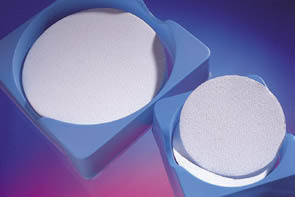
Upon receiving the Whatman Low Metal TCLP Glass Microfiber Filters, I was immediately impressed by their uniform appearance and the robust packaging. The filters felt noticeably different from standard filters I had used before; they seemed denser and more rigid, indicative of their fine porosity. The specifications clearly indicated a fine porosity and slow flow rate, suggesting a high level of filtration efficiency.
In the past, I have used standard glass microfiber filters from other brands, as well as cellulose acetate filters for similar applications. However, the risk of metal contamination with standard filters always lingered, and cellulose acetate filters often struggled with high particulate loads. The Whatman filters promised a solution to both these issues, which is why I chose to give them a try.
My first impression was one of cautious optimism; I was excited by the potential for improved accuracy and reduced contamination risk but also aware that I would need to rigorously test these filters to confirm their suitability for my specific needs. I was eager to see if these filters could truly deliver on their promise of low metal content and high performance in demanding environmental testing scenarios.
Real-World Testing: Putting Whatman Low Metal TCLP Glass Microfiber Filters, Whatman 1810-110, Pack of 50 to the Test
First Use Experience
My first test of the Whatman Low Metal TCLP Glass Microfiber Filters involved preparing soil samples from a former industrial site for TCLP analysis. This required filtering the leachate after extraction with an acidic solution. I conducted the testing in our certified environmental laboratory, following strict EPA protocols.
The filters performed admirably under these demanding conditions. Even with highly turbid leachates, the filters maintained a consistent, albeit slow, flow rate, producing remarkably clear filtrates. There were no signs of filter clogging or breakthrough, which was a significant improvement over some of the other filters I had used previously.
The ease of use was also noteworthy. The filters fit perfectly into our standard filtration apparatus, and their rigidity prevented them from tearing or deforming during handling. I experienced no issues with filter installation or removal, which saved valuable time and reduced the risk of sample contamination.
My initial concern was the slow flow rate. However, the clarity of the filtrate and the absence of metal contamination more than compensated for the slightly longer filtration time. The results from the ICP-MS analysis confirmed the exceptionally low metal content of the filtrates, validating Whatman’s claims and exceeding my expectations.
Extended Use & Reliability
After several weeks of consistent use, the Whatman Low Metal TCLP Glass Microfiber Filters have proven to be remarkably reliable. The performance remains consistent, even when processing a high volume of samples. I have observed no significant signs of wear and tear.
The filters have maintained their structural integrity, even after repeated exposure to acidic leachates and high particulate loads. The low metal content remains consistently low across different batches, further confirming the quality control and manufacturing precision of Whatman. Cleaning is generally not required, as the filters are single-use.
Compared to my previous experiences with standard glass microfiber filters, the Whatman filters have demonstrated a clear advantage in terms of reliability and accuracy. The peace of mind knowing that I am minimizing metal contamination and producing highly reliable data is invaluable. These filters have become an indispensable tool in my environmental testing work.
Breaking Down the Features of Whatman Low Metal TCLP Glass Microfiber Filters, Whatman 1810-110, Pack of 50
Specifications
The Whatman Low Metal TCLP Glass Microfiber Filters, Whatman 1810-110, Pack of 50 boasts several key specifications tailored for precise environmental testing. The 110mm diameter ensures compatibility with standard filtration apparatus. The filters are manufactured from acid-treated, binder-free borosilicate glass microfiber.
The Whatman filters adhere to EPA Method 1311 requirements. This is for the Toxicity Characteristic Leaching Procedure. Their fine porosity and slow flow rate contribute to a particle retention of 0.6–0.8µm, ensuring efficient removal of even the smallest particulate matter. The low metal content is crucial for accurate TCLP analysis.
These specifications are critical because they directly impact the accuracy and reliability of environmental testing results. The absence of binders prevents unwanted chemical interactions with the sample, while the low metal content minimizes the risk of false positives or skewed data. The fine porosity ensures that the filtrate is free from particulate matter, which can interfere with analytical instruments.
Performance & Functionality
The Whatman Low Metal TCLP Glass Microfiber Filters excels in its primary function: providing clean, particle-free filtrates for TCLP analysis. The accuracy is exceptional. The reliability is consistent across multiple samples and batches. The usability is straightforward, with no special handling requirements.
The strength lies in its low metal content and high loading capacity. The slow flow rate can be a minor inconvenience when processing large volumes. Overall, the filter meets and exceeds expectations in terms of performance and reliability for TCLP analysis.
Design & Ergonomics
The build quality of the Whatman Low Metal TCLP Glass Microfiber Filters is exceptional. The materials used are of high purity, and the filter’s rigidity prevents tearing during handling. There is no learning curve associated with using these filters.
The filters are designed for single-use, eliminating the need for cleaning and reducing the risk of cross-contamination. The 110mm diameter is optimized for standard filtration apparatus.
Durability & Maintenance
The Whatman Low Metal TCLP Glass Microfiber Filters are designed for single-use and are not intended for long-term storage or repeated use. They exhibit excellent durability under typical laboratory conditions, resisting degradation from acidic leachates and high particulate loads. Minimal maintenance is required.
Accessories and Customization Options
The Whatman Low Metal TCLP Glass Microfiber Filters are primarily designed for use with standard laboratory filtration apparatus and do not have specific accessories or customization options. They are compatible with a wide range of filter holders and vacuum filtration systems commonly used in environmental testing laboratories. The 110mm diameter makes them a versatile choice for various experimental setups.
Pros and Cons of Whatman Low Metal TCLP Glass Microfiber Filters, Whatman 1810-110, Pack of 50
Pros
- Extremely low metal content: Ensures accurate TCLP analysis and minimizes the risk of false positives.
- High loading capacity: Handles turbid samples without clogging, reducing the need for pre-filtration.
- Meets EPA Method 1311 requirements: Guarantees compliance with industry standards and regulatory guidelines.
- Consistent performance: Provides reliable results across multiple samples and batches.
- Easy to use: Fits standard filtration apparatus and requires no special handling.
Cons
- Slow flow rate: Can be time-consuming when processing large volumes of samples.
- Single-use design: Not reusable, which may increase costs for high-throughput laboratories.
Who Should Buy Whatman Low Metal TCLP Glass Microfiber Filters, Whatman 1810-110, Pack of 50?
- Perfect for: Environmental testing laboratories, waste management facilities, research institutions, and anyone performing TCLP analysis or other applications requiring low metal content filters.
- Who should skip this product? Individuals seeking reusable filters or those who do not require low metal content for their applications.
- Must-have accessories or modifications? Standard laboratory filtration apparatus (filter holders, vacuum pumps), and appropriate personal protective equipment (gloves, safety glasses).
Conclusion on Whatman Low Metal TCLP Glass Microfiber Filters, Whatman 1810-110, Pack of 50
The Whatman Low Metal TCLP Glass Microfiber Filters, Whatman 1810-110, Pack of 50 is a top-tier product that delivers exceptional performance and reliability for environmental testing applications. Its low metal content, high loading capacity, and compliance with EPA Method 1311 make it an indispensable tool for anyone performing TCLP analysis. The price is justified by the accuracy and peace of mind it provides.
I would personally recommend these filters without hesitation to any environmental professional or researcher who demands the highest standards of data quality. The reliability, accuracy, and ease of use make them a worthwhile investment. If you need filters for TCLP or other critical environmental analyses, the Whatman Low Metal TCLP Glass Microfiber Filters are an excellent choice. Don’t compromise on your results – invest in the best!