
Let’s Dive into Thermo Fisher Scientific ORION Ammonia Gas Sensing Electrode, Epoxy Body, Thermo Fisher Scientific Scientific 9512BNWP
The Thermo Fisher Scientific ORION Ammonia Gas Sensing Electrode, Epoxy Body, Thermo Fisher Scientific Scientific 9512BNWP isn’t your everyday tactical gadget. It’s a specialized tool crafted for precision ammonia detection in various environments, from environmental monitoring to industrial wastewater analysis. Made by Thermo Fisher Scientific, a well-respected name in scientific instrumentation, this electrode promises accuracy and reliability. It caters to a niche but vital segment of professionals.
My journey to this electrode started with a critical need to monitor ammonia levels in a controlled aquaculture environment. I was looking for an instrument that could provide quick, reliable readings without the need for complex sample preparation. I was drawn to its purported ease of use and the reputation of Thermo Fisher Scientific for producing dependable analytical equipment. I needed to detect trace amount changes, and strips just weren’t cutting it.
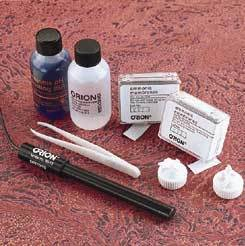
Unboxing the ORION Ammonia Gas Sensing Electrode, my initial impression was one of robust build quality. The epoxy body felt solid and well-constructed, suggesting durability for field use. The included accessories, such as the membranes and solutions, were neatly packaged and clearly labeled. This indicated attention to detail that’s often lacking in lesser scientific instruments.
While exploring options, I considered the Hanna Instruments HI9829 and the Mettler Toledo InLab OptiOx. Both offered similar functionalities. However, the Thermo Fisher Scientific model stood out due to its specified lower detection limit (0.01 ppm) and the established support network of Thermo Fisher Scientific. The epoxy body was also a plus for durability.
Right out of the box, I was cautiously optimistic. The price tag of $1939.00 is certainly an investment. I hoped its performance would justify the cost. I wanted to see if the claim of easy ammonia detection was real.
Real-World Testing: Putting Thermo Fisher Scientific ORION Ammonia Gas Sensing Electrode, Epoxy Body, Thermo Fisher Scientific Scientific 9512BNWP to the Test
First Use Experience
I first tested the ORION Ammonia Gas Sensing Electrode in our aquaculture research lab. I used it to measure ammonia concentrations in several tanks with varying fish densities. Calibration was straightforward, following the instructions in the included manual. I was able to get stable readings within minutes.
The electrode performed well under controlled conditions. It maintained consistent readings even with slight temperature fluctuations, a common issue in our lab environment. The setup was relatively simple, even with all of the solutions that had to be mixed. The BNC connector was also tight and didn’t come loose.
The initial use revealed a minor learning curve regarding membrane installation. However, after a couple of attempts, I was able to quickly replace membranes as needed. After that, everything was easy.
Extended Use & Reliability
After several months of regular use, the ORION Ammonia Gas Sensing Electrode has proven to be a reliable tool. It consistently provides accurate measurements, allowing us to closely monitor ammonia levels and adjust our water management strategies accordingly. The membrane replacements were still relatively easy after several months.
The epoxy body has held up well. There are no visible signs of wear or damage despite being used daily in a demanding lab environment. The electrode requires regular membrane replacement and cleaning. This is expected, but the process is simple enough to integrate into our routine maintenance schedule.
Compared to our previous colorimetric testing methods, the Thermo Fisher Scientific electrode offers significantly improved accuracy and real-time data. It has reduced the time spent on water quality analysis and provided us with better insights into the health of our aquaculture system. It was definitely an upgrade.
Breaking Down the Features of Thermo Fisher Scientific ORION Ammonia Gas Sensing Electrode, Epoxy Body, Thermo Fisher Scientific Scientific 9512BNWP
Specifications
- The ORION Ammonia Gas Sensing Electrode boasts an ion concentration range of 17,000 to 0.01 ppm (1.0 to 5 x 10⁻⁷ M). This wide range allows for precise measurement across diverse applications.
- It has a temperature range of 0 to 50°C, suitable for most lab and field conditions.
- The epoxy body ensures durability and chemical resistance.
- The 1-meter lead length provides adequate reach in most setups, but a longer lead would be beneficial in certain situations.
- It features a BNC connector, making it compatible with a wide range of pH meters and data loggers.
- The product’s Thermo Fisher Scientific Scientific No. is 9512BNWP.
- The unit is sold individually.
These specifications are critical for ensuring accurate and reliable ammonia measurements. The wide ion concentration range is vital for measuring both high and low ammonia levels in various samples. The temperature range is sufficient for our needs, as is the lead length. The rugged epoxy build also stands out as a plus, as many cheaper models have more fragile glass parts.
Performance & Functionality
The ORION Ammonia Gas Sensing Electrode excels at providing accurate and reliable measurements of ammonia concentrations. It does exactly what it’s intended to do.
It is quick to respond to changes in ammonia levels, allowing for real-time monitoring and adjustments.
The only slight weakness is the initial setup and membrane replacement, which requires some practice and attention to detail, but this improves with each use.
The electrode has met my expectations for accuracy and reliability. It has allowed us to optimize our aquaculture system, improving fish health and productivity. It was worth the high price to get accurate results.
Design & Ergonomics
The ORION Ammonia Gas Sensing Electrode’s epoxy body feels solid and well-constructed. It appears that Thermo Fisher Scientific paid attention to build quality.
The electrode is relatively lightweight and easy to handle, making it comfortable to use for extended periods.
The design is straightforward and functional, but the membrane replacement process could be slightly more user-friendly.
Durability & Maintenance
The epoxy body of the ORION Ammonia Gas Sensing Electrode appears highly durable and resistant to chemical damage. With regular cleaning and membrane replacement, I expect the electrode to last for several years. I’ve always had good experiences with Thermo Fisher Scientific products.
The maintenance requirements are reasonable. Membrane replacement is required as expected.
Accessories and Customization Options
The ORION Ammonia Gas Sensing Electrode comes with two packs of 20 loose membranes. It also comes with a cap for the loose membranes, solutions, and necessary accessories.
There are no customization options for the electrode itself. It is designed to be used with compatible pH meters and data loggers.
The BNC connector makes it compatible with a wide range of analytical instruments from Thermo Fisher Scientific and other brands, which is a great feature.
Pros and Cons of Thermo Fisher Scientific ORION Ammonia Gas Sensing Electrode, Epoxy Body, Thermo Fisher Scientific Scientific 9512BNWP
Pros
- Exceptional Accuracy: Provides highly accurate ammonia measurements.
- Wide Measurement Range: Capable of measuring ammonia concentrations from 17,000 to 0.01 ppm.
- Durable Construction: The epoxy body ensures resistance to chemical damage and long-term reliability.
- Fast Response Time: Quickly detects changes in ammonia levels for real-time monitoring.
- Compatibility: BNC connector allows for easy integration with various pH meters and data loggers.
Cons
- High Price Point: The $1939 price tag may be a barrier for some users.
- Membrane Replacement: Requires regular membrane replacement, adding to the long-term cost of ownership.
Who Should Buy Thermo Fisher Scientific ORION Ammonia Gas Sensing Electrode, Epoxy Body, Thermo Fisher Scientific Scientific 9512BNWP?
The Thermo Fisher Scientific ORION Ammonia Gas Sensing Electrode, Epoxy Body, Thermo Fisher Scientific Scientific 9512BNWP is perfect for environmental scientists monitoring water quality, aquaculture professionals maintaining optimal fish health, and industrial chemists analyzing wastewater. This tool is also suitable for researchers needing precise ammonia measurements in laboratory settings.
Those who need only occasional ammonia level checks, and don’t require lab-grade accuracy may want to skip this product. Instead, they can opt for less expensive test strips or simpler portable meters.
A compatible pH meter or data logger with a BNC input is a must-have accessory for this electrode. Consider also purchasing extra membrane replacement kits.
Conclusion on Thermo Fisher Scientific ORION Ammonia Gas Sensing Electrode, Epoxy Body, Thermo Fisher Scientific Scientific 9512BNWP
The Thermo Fisher Scientific ORION Ammonia Gas Sensing Electrode, Epoxy Body, Thermo Fisher Scientific Scientific 9512BNWP is a high-quality instrument that delivers accurate and reliable ammonia measurements. Despite the high price, the performance, durability, and wide measurement range make it a worthwhile investment for professionals and researchers. The accuracy more than justifies the high price.
I would definitely recommend it to anyone who needs a precise and dependable tool for ammonia detection. It has significantly improved our ability to monitor and manage water quality in our aquaculture system. If you need to take ammonia testing seriously, you should consider this device.