
First Impressions of Duke Log Wood Dye
The Duke Log Wood Dye, a simple product from Duke, promises to darken traps, making them less visible to animals. As someone with over a decade in the field, I’m always looking for ways to improve my trapping setup, especially when it comes to minimizing disturbance and maximizing effectiveness. My initial reaction is cautiously optimistic, especially given the price point.
I was seeking a cost-effective way to camouflage new trap sets. Previously, I’d relied on more elaborate methods, like boiling traps with natural dyes or burying them for extended periods. Could this be a faster and more accessible solution?
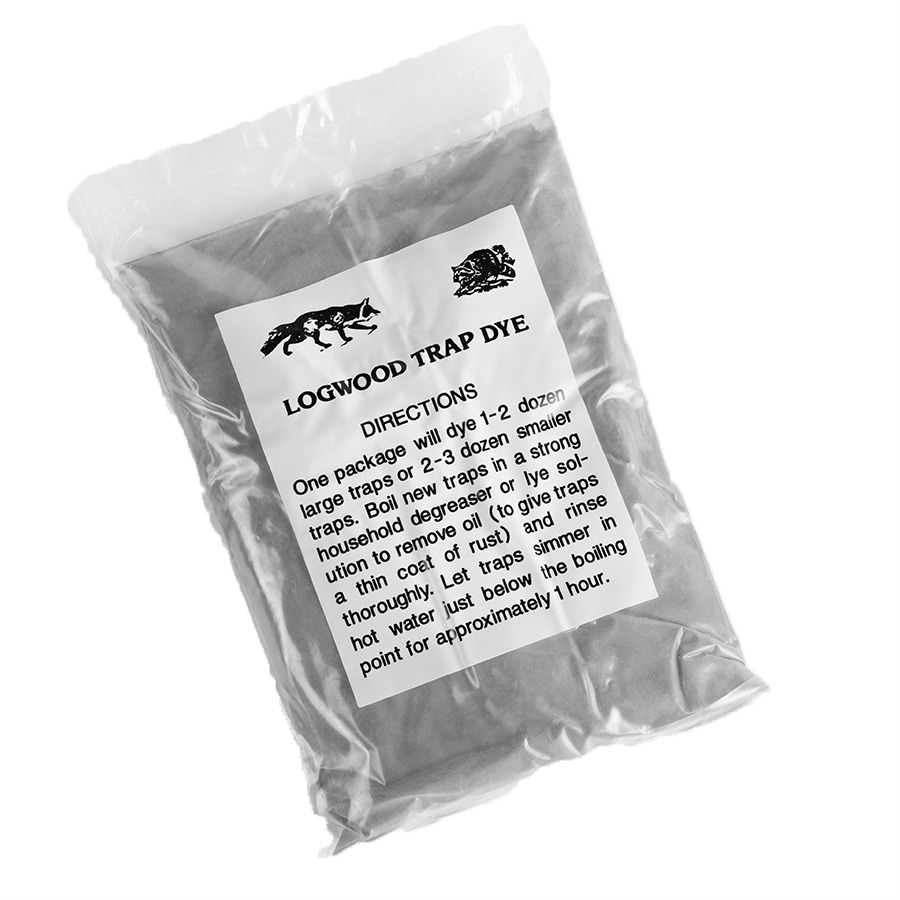
Upon receiving the Duke Log Wood Dye, I noted the packaging was straightforward, consistent with a no-frills product. The one-pound package felt adequately sized for dyeing a reasonable number of traps. There are other dyes on the market, but the price of Duke Log Wood Dye and the reputation of Duke made it an attractive option, particularly compared to potentially messy DIY alternatives involving walnut husks or other natural materials. My first impression was a pleasant surprise at its manageable size and potential for simplifying my trap preparation.
Real-World Testing: Putting Duke Log Wood Dye to the Test
First Use Experience
I tested the Duke Log Wood Dye on a batch of new steel foothold traps intended for coyote trapping. I used a large metal tub in my backyard to mix the dye with boiling water, following the vague instructions (or lack thereof) I could find online since there weren’t any on the packaging itself. The air was crisp, and the leaves were turning—perfect trapping weather.
The dye dissolved reasonably well, creating a dark, inky solution. Submerging the traps was easy, and the dye seemed to adhere quickly, though even with gloves, I ended up with stained hands. After letting them soak for an hour, I removed the traps and allowed them to air dry.
Extended Use & Reliability
After a full trapping season, the results were…mixed. The Duke Log Wood Dye definitely darkened the traps initially, providing a significant reduction in shine compared to the bare metal. However, the dye proved to be surprisingly susceptible to wear and tear. Constant exposure to the elements, combined with the mechanical action of the traps, resulted in the dye fading and chipping in high-contact areas.
Maintenance involved occasionally re-dyeing the traps, which wasn’t overly burdensome, but certainly more frequent than I’d hoped. Compared to my older traps treated with traditional boiling methods, the Duke Log Wood Dye required significantly more upkeep. While it initially outperformed nothing (bare, shiny traps), its longevity was disappointing.
Breaking Down the Features of Duke Log Wood Dye
Specifications
The Duke Log Wood Dye comes in a one-pound package. According to Duke, it includes Logwood Dye. The package dimensions are listed as Length: 10 mm, Width: 5 in, Height: 1 in, with a Weight: 0.99 lb.
These specifications are important because they dictate the amount of dye you get for the price and provide a general idea of how much water you’ll need to mix it with. Knowing the weight helps estimate how many traps a single package can effectively treat, though individual results may vary significantly.
Performance & Functionality
The Duke Log Wood Dye effectively darkens traps, reducing their visibility to animals. The dyeing process is relatively simple and requires minimal specialized equipment. However, its durability is its Achilles’ heel, as the dye fades and chips under real-world conditions.
The main strength of Duke Log Wood Dye is its initial effectiveness and low cost. The significant weakness is its lack of longevity. It meets the basic expectation of darkening traps, but it falls short in terms of long-term performance.
Design & Ergonomics
The Duke Log Wood Dye is essentially a powder, so design considerations are minimal. The packaging is adequate, but it lacks detailed instructions for optimal use. While there’s no real ergonomics to consider, it’s worth noting that handling the dye can be messy.
The powder form itself presents a minor inconvenience compared to liquid dyes. There is definitely a learning curve for determining the right water-to-dye ratio.
Durability & Maintenance
As mentioned earlier, the dyed finish’s durability is a significant concern. Frequent re-dyeing is necessary to maintain the desired level of camouflage. The dye itself appears stable in its powder form, assuming it’s stored in a dry environment.
Maintenance includes cleaning the traps to remove dirt and rust before re-applying the dye. It would be interesting to see if applying a sealant after dyeing improves its durability.
Accessories and Customization Options
No accessories come with the Duke Log Wood Dye. Customization options are limited to experimenting with different dye concentrations and soak times to achieve varying shades of darkness. You could also experiment with adding other ingredients like vinegar or salt to try and improve the dye’s adhesion, but this is strictly DIY.
The Duke Log Wood Dye is inherently compatible with any steel trap. There are no other directly compatible accessories besides items used in the dyeing process itself (gloves, tubs, heat source, etc.)
Pros and Cons of Duke Log Wood Dye
Pros
- Effectively darkens traps, reducing shine.
- Inexpensive and readily available.
- Simple dyeing process with minimal equipment.
- Can significantly improve initial camouflage compared to untreated traps.
- Relatively quick to apply, offering faster results than some traditional methods.
Cons
- Poor durability; fades and chips easily with use.
- Requires frequent re-dyeing for optimal performance.
- Packaging lacks detailed instructions.
Who Should Buy Duke Log Wood Dye?
The Duke Log Wood Dye is perfect for budget-conscious trappers and hunters who need a quick and easy solution for camouflaging traps. It’s also suitable for individuals new to trapping who want to experiment with dyeing without investing in more expensive options. Those needing to dye a LOT of traps will likely find it useful and cost-effective, despite its drawbacks.
Experienced trappers or those seeking a long-lasting, durable finish should probably skip this product. Consider exploring more robust dyeing methods, such as boiling traps with specialized dyes or using commercially available trap coatings.
Conclusion on Duke Log Wood Dye
The Duke Log Wood Dye offers a simple and affordable solution for darkening traps. While it effectively reduces shine and provides initial camouflage, its lack of durability is a significant drawback. The constant need for re-dyeing can become tedious for serious trappers.
The price is definitely justified for its initial performance, but the long-term value is questionable. I would personally recommend it for beginners or those on a tight budget, but with the clear caveat that it requires regular maintenance. Consider it a good starting point, but be prepared to potentially upgrade to a more durable solution down the line.