
First Impressions of Scientific Anglers Nylon Tippet
The Scientific Anglers Nylon Tippet enters a crowded market, promising a reliable and affordable solution for connecting your fly line to your fly. Scientific Anglers, a trusted name in fly fishing, aims to deliver a tippet that’s both strong and supple, crucial for presenting flies naturally. As an experienced angler, I’m always on the lookout for tippet material that balances strength with finesse, and the budget-friendly price of the Scientific Anglers Nylon Tippet certainly piqued my interest.
I needed a reliable tippet material that wouldn’t break the bank but could still handle the pressure of fighting trout in challenging conditions. I was specifically searching for a tippet that wouldn’t spook fish due to excessive stiffness or glare. Upon unboxing, the spool felt lightweight and the tippet material appeared clear and consistent in diameter.
Compared to premium fluorocarbon tippets from brands like Rio or Seaguar, the Scientific Anglers Nylon Tippet immediately felt softer and more pliable. I chose this product over some other inexpensive nylon tippets because of the Scientific Anglers reputation and the consistent positive reviews regarding its knot strength. My initial impression was cautiously optimistic – it seemed like a solid, no-frills option, but the true test would be on the water.
Real-World Testing: Putting Scientific Anglers Nylon Tippet to the Test
First Use Experience
My initial testing ground was the challenging waters of the Madison River in Montana, known for its selective trout and varied currents. I used the Scientific Anglers Nylon Tippet in a variety of sizes, from 5X to 3X, while nymphing and dry-fly fishing. The tippet performed reasonably well in these conditions, allowing for decent fly presentation.
I tested the tippet in both clear, sunny conditions and during a brief afternoon rain shower. The material remained manageable even when wet, though I did notice a slight increase in knot slippage in the rain. The tippet was relatively easy to knot, even with cold, wet hands, but I recommend using a properly lubricated knot to ensure maximum strength. I was slightly disappointed by the tippet’s visibility; it seemed to reflect more light than some of my fluorocarbon options.
Extended Use & Reliability
After several months of regular use, the Scientific Anglers Nylon Tippet has proven to be a reliable, if not exceptional, performer. I’ve used it extensively on various trout streams and lakes across the western United States. While it doesn’t offer the same level of abrasion resistance as fluorocarbon, it has held up surprisingly well to normal wear and tear.
I’ve noticed some minor fraying of the tippet material after prolonged use, particularly when fishing around rocks or submerged timber. Proper care, including regularly checking for abrasions and re-tying knots, is essential to maintain its integrity. Compared to higher-end tippets, the Scientific Anglers Nylon Tippet requires more frequent replacement due to its lower abrasion resistance and tendency to stretch over time, but the price makes it an acceptable trade-off.
Breaking Down the Features of Scientific Anglers Nylon Tippet
Specifications
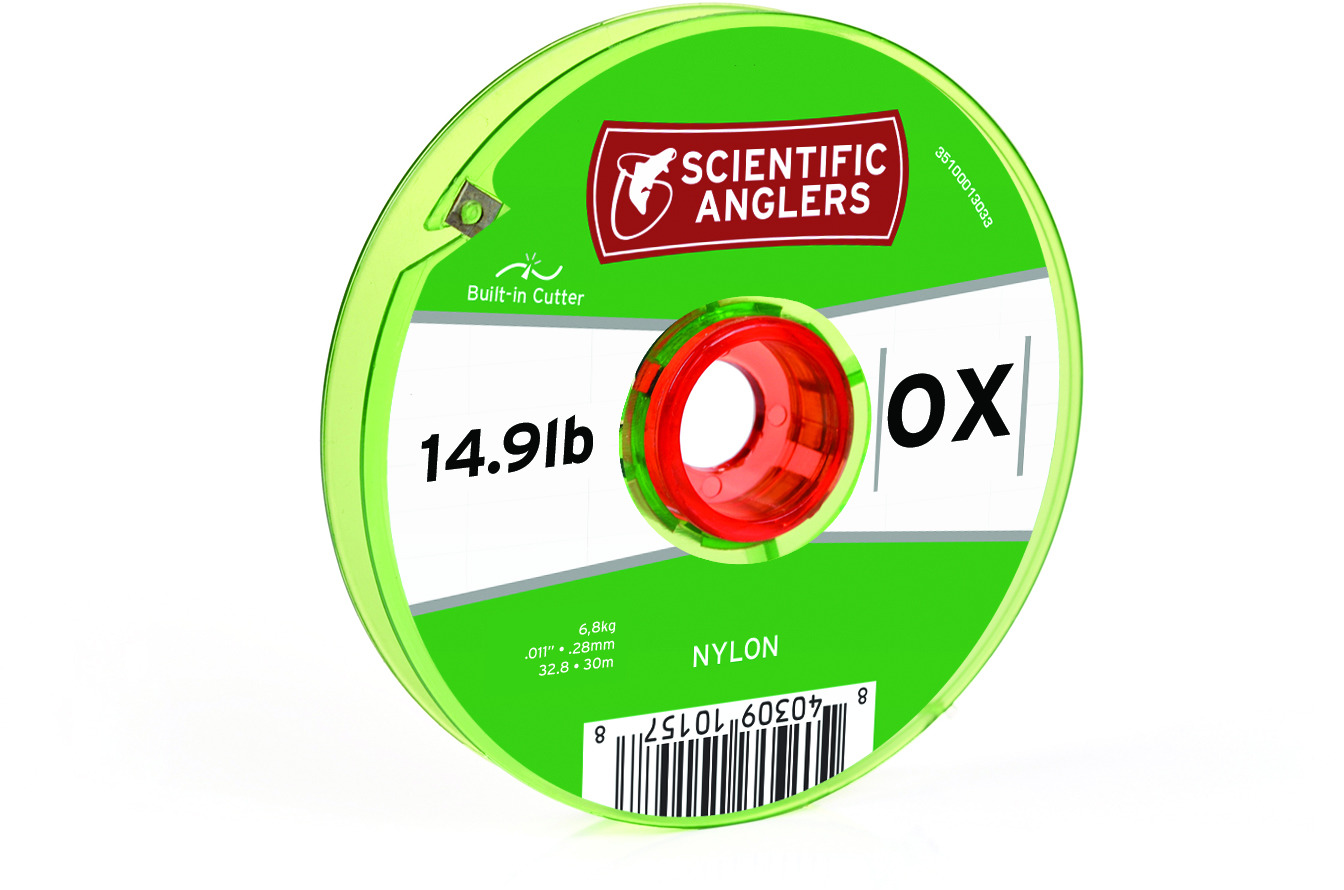
The Scientific Anglers Nylon Tippet is constructed from high-quality nylon monofilament. The color is clear, designed for low visibility in the water. It’s available in a wide range of sizes, typically from 8X (very fine) to 0X (heavy), catering to various fly fishing applications and target species. It comes on a standard 30-meter spool.
These specifications are crucial because they directly influence the tippet’s strength, suppleness, and visibility. A wider range of sizes allows anglers to match the tippet to the size of the fly and the targeted fish, while the clear color aims to minimize spooking wary fish.
Performance & Functionality
The Scientific Anglers Nylon Tippet performs adequately for most standard fly fishing situations. It knots easily and provides sufficient strength for landing average-sized trout. However, it’s not the strongest or most abrasion-resistant tippet on the market, so it may not be suitable for fishing in extremely demanding conditions or targeting very large fish.
Its strength lies in its affordability and general usability. The main weakness is its lower abrasion resistance compared to fluorocarbon. It meets expectations for a budget-friendly nylon tippet but doesn’t exceed them.
Design & Ergonomics
The design is simple and functional. The tippet comes on a standard spool that fits easily into most tippet holders. The clear color is a standard feature of nylon tippets, intended to minimize visibility underwater.
The tippet is easy to handle and knot, even for beginners. There is no significant learning curve associated with using this product.
Durability & Maintenance
With proper care, the Scientific Anglers Nylon Tippet should last for a reasonable amount of time, although it will need to be replaced more frequently than fluorocarbon options. Regular inspection for abrasions and re-tying knots after catching fish are crucial for maintaining its strength. Cleaning is not typically necessary, as the tippet is disposable.
Accessories and Customization Options
The Scientific Anglers Nylon Tippet doesn’t come with any specific accessories. It’s compatible with any standard tippet holder and can be used with a variety of fly fishing knots. The tippet can be used with any standard fly fishing leader.
Pros and Cons of Scientific Anglers Nylon Tippet
Pros
- Affordable: The Scientific Anglers Nylon Tippet offers exceptional value for the price-conscious angler.
- Easy Knotting: The nylon material is relatively easy to knot, even in cold conditions.
- Wide Range of Sizes: Available in a broad range of sizes to suit various fishing conditions and target species.
- Supple Presentation: The suppleness of the nylon allows for a more natural fly presentation.
Cons
- Lower Abrasion Resistance: Not as abrasion-resistant as fluorocarbon tippets.
- Higher Visibility: Can be more visible to fish than fluorocarbon, especially in clear water.
- Stretching: Nylon tends to stretch more than fluorocarbon, potentially affecting knot strength and sensitivity.
Who Should Buy Scientific Anglers Nylon Tippet?
The Scientific Anglers Nylon Tippet is perfect for beginner anglers, those on a budget, or anglers who primarily fish in less demanding conditions. It’s also a good choice for situations where stealth is not the primary concern, such as when fishing murky water or targeting less selective fish. Experienced anglers may find it useful as a backup option or for situations where the cost of fluorocarbon is not justified.
Anglers targeting large, powerful fish or fishing in heavily abrasive environments should consider fluorocarbon tippets for their superior strength and abrasion resistance. Those seeking maximum stealth in clear water may also prefer fluorocarbon.
Must-have accessories include a tippet holder and a good pair of nippers for clean cuts. A knot-tying tool can also be helpful, particularly for those new to fly fishing.
Conclusion on Scientific Anglers Nylon Tippet
The Scientific Anglers Nylon Tippet is a solid, budget-friendly option for anglers seeking a reliable all-around tippet material. It may not offer the same level of performance as premium fluorocarbon tippets, but its affordability and ease of use make it a worthwhile choice for many situations. The price is certainly justified, especially for anglers who go through a lot of tippet.
I would recommend the Scientific Anglers Nylon Tippet to beginner and intermediate anglers looking for an affordable and easy-to-use option. While not the ultimate in performance, it gets the job done reliably and won’t break the bank. Grab a spool and hit the water – you might be surprised at how well this budget-friendly tippet performs.