
First Impressions of Frost Skinner White Bone Knife
The Frost Skinner White Bone Knife, offered by Frost, presents itself as an affordable option in the realm of fixed blade knives. Its description highlights a durable blade and a comfortable handle, seemingly designed for a variety of cutting tasks. I needed a reliable, yet inexpensive skinner for processing small game, a task where a razor edge and comfortable grip are paramount.
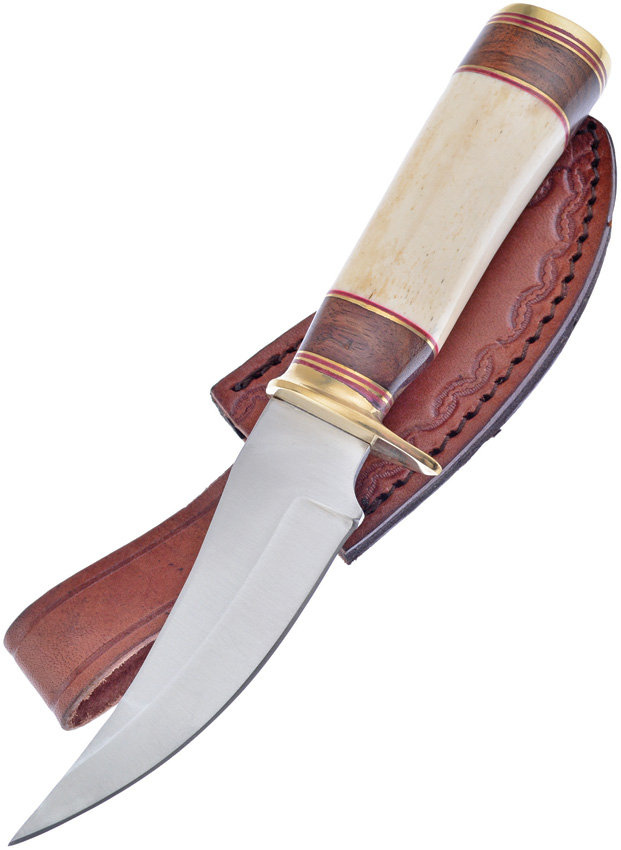
Unboxing the Frost Skinner White Bone Knife, the first thing I noticed was its traditional aesthetic. The white bone handle coupled with the brass guard and pommel gives it a classic look, though I immediately questioned the practicality of bone for grip in wet conditions. My initial impression was cautiously optimistic; it looked the part, but I needed to see how it performed.
I considered the Morakniv Companion and the Buck Knives 119 Special before landing on the Frost Skinner White Bone Knife. The Morakniv is known for its exceptional value, but I desired something with a more traditional feel. The Buck 119 is a classic, but its price point is significantly higher than the Frost Skinner White Bone Knife, and I wasn’t ready to invest that much for a dedicated small game skinner. I chose the Frost Skinner White Bone Knife hoping to find a balance between tradition and affordability.
Initially, I was intrigued, not blown away. The Frost Skinner White Bone Knife had the potential to be a solid tool, but its true worth would only be revealed after some serious field testing. The price point tempers expectations, but I was eager to see how it holds up to real-world use.
Real-World Testing: Putting Frost Skinner White Bone Knife to the Test
First Use Experience
My first experience with the Frost Skinner White Bone Knife was during a squirrel hunting trip in the Ozark Mountains. The day started with a light drizzle, creating a slick environment, which immediately tested the grip of the bone handle. I processed three squirrels with the knife that morning.
The blade, while acceptably sharp out of the box, required some serious honing to achieve the razor edge I prefer for skinning. The handle became quite slippery when wet, forcing me to adjust my grip frequently, which wasn’t ideal. After the first squirrel, I noticed a slight looseness in the brass guard, suggesting a potential durability issue.
Extended Use & Reliability
After several weeks of use, mostly involving small game processing and some basic camp tasks like feathering sticks, the Frost Skinner White Bone Knife started to show its limitations. The blade steel, while holding an edge reasonably well, required frequent touch-ups to maintain optimal sharpness. The bone handle, while aesthetically pleasing, proved to be impractical for extended use, especially in wet or cold conditions.
Minor signs of wear and tear appeared on the brass guard and pommel, with some slight discoloration and scratches. Cleaning the knife after use was straightforward, though I was cautious about getting the bone handle too wet. Compared to my previous experiences with knives featuring synthetic handles, the Frost Skinner White Bone Knife fell short in terms of grip and overall durability. It didn’t outperform my expectations given the price point, but it didn’t necessarily disappoint either.
Breaking Down the Features of Frost Skinner White Bone Knife
Specifications
The Frost Skinner White Bone Knife features a fixed blade crafted from an unspecified stainless steel. Its weight is relatively light, making it easy to carry for extended periods, but that also can compromise cutting ability. The blade length is appropriate for skinning small game.
The handle is constructed of white bone, accented by a brass guard and pommel. The knife includes a brown leather belt sheath. These specifications suggest a design focused on aesthetics and affordability, potentially sacrificing some performance and durability compared to higher-end knives.
Performance & Functionality
The Frost Skinner White Bone Knife performs adequately for basic skinning tasks, though it requires frequent sharpening to maintain a keen edge. Its light weight makes it easy to maneuver, but the handle’s lack of grip can be problematic, especially in wet conditions. The brass guard offers some protection, but its looseness after minimal use raises concerns about long-term reliability.
The knife’s primary weakness is the handle’s poor grip, followed by the blade steel’s average edge retention. Its strength lies in its affordability and aesthetically pleasing design. It meets expectations for a knife in its price range, but doesn’t exceed them by any means.
Design & Ergonomics
The Frost Skinner White Bone Knife boasts a classic design, with the white bone handle providing a visually appealing aesthetic. The knife is lightweight and relatively comfortable in hand, though the handle’s smooth surface can become slippery. There is a slight learning curve regarding keeping the blade razor sharp, but otherwise very easy to use.
The overall build quality is acceptable for the price, although the looseness of the brass guard indicates potential issues with long-term durability. The knife is not particularly user-friendly for those accustomed to knives with more ergonomic and grippy handles.
Durability & Maintenance
The Frost Skinner White Bone Knife‘s long-term durability is questionable, given the looseness of the brass guard and the average quality of the blade steel. With proper care and maintenance, it could last for several years of occasional use. Cleaning is easy, but the bone handle requires special attention to prevent damage from moisture.
Repairing the knife might prove difficult, as replacement parts may not be readily available. The emphasis appears to be more on affordability than longevity.
Accessories and Customization Options
The Frost Skinner White Bone Knife comes with a basic brown leather belt sheath. Customization options are limited, given its basic design and construction. Aftermarket handle replacements are unlikely to be readily available.
The blade could be reprofiled by a professional sharpener, and the sheath could be upgraded, but the cost of these modifications might exceed the value of the knife itself. No additional accessories are included.
Pros and Cons of Frost Skinner White Bone Knife
Pros
- Affordable price point makes it accessible to budget-conscious buyers.
- Classic design with aesthetically pleasing white bone handle and brass accents.
- Lightweight and easy to carry for extended periods.
- Adequate for basic skinning and cutting tasks.
- The included leather sheath is a nice touch.
Cons
- Bone handle offers poor grip, especially in wet or cold conditions.
- Blade steel requires frequent sharpening to maintain optimal edge.
- Brass guard tends to loosen up with use, raising durability concerns.
Who Should Buy Frost Skinner White Bone Knife?
The Frost Skinner White Bone Knife is perfect for casual campers or beginning hunters who are looking for an inexpensive, aesthetically pleasing knife for light tasks. It may also appeal to individuals who appreciate traditional knife designs and are willing to accept certain performance limitations.
Those seeking a highly durable, high-performance knife for demanding tasks should skip this product. Pro anglers and survivalists would want something far more rugged and dependable.
A must-have modification would be applying a sealant to the bone handle to improve its water resistance. Consider also upgrading the edge to a razor-sharp finish.
Conclusion on Frost Skinner White Bone Knife
The Frost Skinner White Bone Knife is an entry-level fixed blade knife that offers a classic design and affordable price point. While it performs adequately for basic tasks, its limitations in grip and durability prevent it from being a top contender. The knife’s aesthetic appeal is its primary selling point, though it’s important to be realistic about its performance capabilities.
The price is justified for what it offers, but buyers should be aware that they are sacrificing performance for affordability and aesthetics. I would personally recommend it to someone who understands its limitations and appreciates its classic design. For demanding tasks and harsh conditions, however, I would recommend investing in a higher-quality knife.