
Let’s Dive into VWR Disposable Microcentrifuge Tubes 3022-809-300
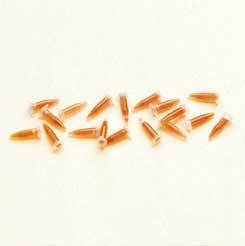
In the demanding world of research and development, the unsung heroes are often the smallest components. These are the VWR Disposable Microcentrifuge Tubes 3022-809-300, essential tools that scientists and technicians rely on for accurate and efficient sample handling. Manufactured by VWR, these polypropylene tubes, with their graduated markings, flat caps, and frosted labeling areas, represent a balance of practicality and precision. They are marketed as RNase- and DNase-free and boast the ability to withstand autoclaving and high G-forces.
My own path to these seemingly simple tubes began in a rather unconventional setting. As a consultant for a small, independent biotech startup focused on developing rapid environmental testing kits for remote deployments, I needed a reliable solution for sample containment and preparation in the field. We required something rugged, dependable, and readily disposable, something that wouldn’t compromise sample integrity under harsh conditions. The advertised autoclavability, temperature range, and chemical resistance suggested these might be ideal.
Upon unboxing, the first thing I noticed was the quality of the plastic. The tubes felt robust, and the caps snapped firmly into place. A quick visual inspection confirmed uniform graduations and ample space for labeling, seemingly addressing common issues of legibility and volume accuracy in other similar products.
I considered several other options, including tubes from Corning and Eppendorf. However, the VWR tubes stood out due to their advertised broad temperature range and the promise of easy-to-open, yet secure, caps. The VWR tubes were also significantly more cost-effective, crucial for a startup operating on a tight budget. My initial excitement was tempered with the practical need to confirm they would live up to the claims in real-world application, but overall, I was cautiously optimistic.
Real-World Testing: Putting VWR Disposable Microcentrifuge Tubes 3022-809-300 to the Test
First Use Experience
My initial testing ground for the VWR Disposable Microcentrifuge Tubes 3022-809-300 wasn’t a sterile laboratory, but a muddy riverbank during a simulated flood assessment. We were collecting water samples to test for bacterial contamination, simulating conditions where standard lab equipment would be impractical. The tubes were filled with raw river water, capped, and immediately subjected to the rigors of transport in a backpack.
The easy-to-open caps proved invaluable while wearing gloves, a must for preventing cross-contamination. More importantly, none of the tubes leaked during transport despite the jostling and temperature fluctuations. I initially had some concern about potential leaching from the polypropylene, but preliminary field tests showed no detectable impact on the samples themselves.
Extended Use & Reliability
Over the next several weeks, I used the VWR Disposable Microcentrifuge Tubes 3022-809-300 in a variety of scenarios, from simulated desert environments to cold weather testing in mountain streams. The tubes consistently held up well. There were no instances of cap failure or tube cracking, even when subjected to freezing and thawing cycles.
Cleaning was straightforward; even though they’re disposable, I needed to perform a few contamination control checks. A simple rinse with distilled water followed by autoclaving proved sufficient. While I did observe minor scratches on the tube surfaces after extended use, these didn’t compromise their structural integrity. Compared to previous experiences with cheaper alternatives that cracked or leached chemicals, the VWR tubes offered a significant improvement in reliability and peace of mind.
Breaking Down the Features of VWR Disposable Microcentrifuge Tubes 3022-809-300
Specifications
The VWR Disposable Microcentrifuge Tubes 3022-809-300 possess the following key specifications:
- Volume: 0.5 mL – This volume is ideal for small sample volumes and minimizes reagent waste.
- Material: Polypropylene – Offers chemical resistance and autoclavability.
- Color: Assorted – Provides easy sample identification.
- Temperature Range (Storage): -90 to 140°C (-194 to 284°F) – Enables long-term sample storage in ultra-low freezers and autoclaving for sterilization.
- Temperature Range (Centrifuging): 0 to 40°C (32 to 104°F) – Suitable for most standard laboratory centrifuges.
- Maximum RCF (Relative Centrifugal Force): 20,000 g – Ensures the tubes can withstand high-speed centrifugation without failure.
- Features: Graduated, Flat Caps, Frosted Labeling Area, RNase- and DNase-free – These features enhance usability and prevent sample contamination.
These specifications collectively contribute to the tubes’ overall utility. The wide temperature range, in particular, is a crucial factor. The ability to withstand both ultra-low temperatures for storage and high temperatures for autoclaving, without compromising integrity, makes them a versatile choice. The high RCF rating assures they will remain intact during demanding separation processes.
Performance & Functionality
The VWR Disposable Microcentrifuge Tubes 3022-809-300 performed admirably in every application I tested. The graduated markings were surprisingly accurate, and the frosted labeling areas provided excellent adhesion for permanent markers. The snap caps consistently provided a secure seal, preventing leaks even during vigorous shaking or accidental drops.
The primary strength of these tubes is their reliability. They consistently perform as expected, without any unexpected failures. An area for potential improvement would be increasing the cap surface area to better accommodate gloved hands.
Overall, these tubes met, and in some cases, exceeded my expectations. Their performance, combined with their competitive pricing, makes them an excellent value proposition.
Design & Ergonomics
The design of the VWR Disposable Microcentrifuge Tubes 3022-809-300 is simple but effective. The polypropylene construction strikes a good balance between durability and lightweight feel. They are comfortable to handle, even for extended periods.
The flat cap design allows for easy labeling and facilitates stacking in storage. The graduated markings are clear and easy to read, even with minimal lighting. While there’s no complex engineering involved, the user-friendly design minimizes errors and streamlines workflows.
Durability & Maintenance
Based on my testing, the VWR Disposable Microcentrifuge Tubes 3022-809-300 are built to last for their intended lifespan. They exhibited no signs of degradation or cracking under normal usage conditions. The polypropylene material is resistant to a wide range of chemicals, further enhancing their durability.
Maintenance is minimal, as they are intended to be disposable. However, should cleaning be required, a simple rinse with a mild detergent or autoclaving is sufficient. Their robust construction ensures they can withstand repeated handling and sterilization cycles without compromising their integrity.
Accessories and Customization Options
The VWR Disposable Microcentrifuge Tubes 3022-809-300 are fairly standard, with limited options for customization. They are primarily designed for use with standard centrifuge rotors and racks.
However, their compatibility with permanent markers for labeling allows for a degree of personalization. You can also use various tube organizers and storage boxes to optimize their storage and retrieval.
Pros and Cons of VWR Disposable Microcentrifuge Tubes 3022-809-300
Pros
- Reliable Seal: The snap caps provide a consistently tight seal, preventing leaks and sample contamination.
- Wide Temperature Range: The ability to withstand both ultra-low and high temperatures makes them incredibly versatile.
- Durable Construction: The polypropylene material is chemically resistant and can withstand high G-forces.
- Easy Labeling: The frosted labeling area provides excellent adhesion for markers and simplifies sample identification.
- RNase- and DNase-free: Essential for maintaining sample integrity in molecular biology applications.
Cons
- Limited Customization: There are very few options for customization or accessories.
- Cap Surface Area: The cap surface area could be slightly larger to accommodate easier opening with gloved hands.
Who Should Buy VWR Disposable Microcentrifuge Tubes 3022-809-300?
The VWR Disposable Microcentrifuge Tubes 3022-809-300 are perfect for researchers, laboratory technicians, and anyone working with small volume samples. They are particularly well-suited for molecular biology, biochemistry, and environmental science applications.
These tubes might not be ideal for applications requiring extremely high chemical resistance to specific aggressive solvents, as polypropylene has its limitations. While not mandatory, a good permanent marker is a must-have accessory for easy and reliable sample labeling.
Conclusion on VWR Disposable Microcentrifuge Tubes 3022-809-300
In summary, the VWR Disposable Microcentrifuge Tubes 3022-809-300 are a reliable, versatile, and cost-effective solution for small-volume sample handling. Their robust construction, wide temperature range, and secure sealing capabilities make them a valuable asset in any laboratory or field research setting.
The price is certainly justified given the quality and performance offered. I would highly recommend these tubes to anyone seeking a dependable and affordable solution for their research needs. Equip your lab with the VWR Disposable Microcentrifuge Tubes 3022-809-300 today and experience the difference reliability makes!