
Let’s Talk About Midwest Industries AR-15 Polymer Trigger Guard
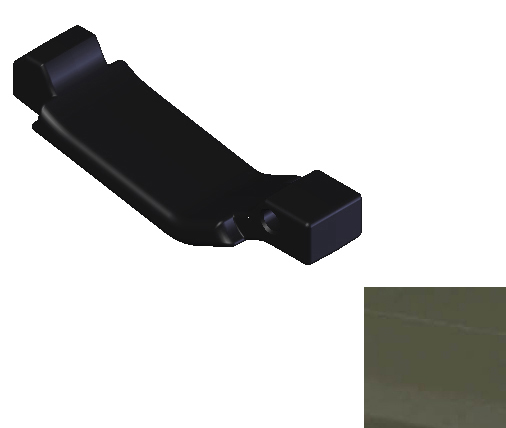
The Midwest Industries AR-15 Polymer Trigger Guard is a budget-friendly AR-15 component designed to provide a more spacious area for gloved hands. Marketed by Midwest Industries, it promises an easy upgrade for both AR-15 and .308 platforms. Let’s see if this inexpensive part lives up to the hype, or if it’s just another example of getting what you pay for.
I was looking for a simple, inexpensive upgrade to replace the standard trigger guard on my AR-15 build. I often shoot in cold weather, and my gloves would frequently snag on the standard trigger guard, making it difficult to manipulate the trigger. I needed a solution that wouldn’t break the bank.
Unboxing the Midwest Industries AR-15 Polymer Trigger Guard was… underwhelming. The polymer felt lightweight and, frankly, cheap. The finish wasn’t particularly smooth, and it lacked the refined appearance of other polymer components I’ve used.
I considered several other trigger guards, including aluminum options from Magpul and BCM. Ultimately, I chose the Midwest Industries offering due to its price point. I thought, “How bad could it be for under $10?”
My initial impression was disappointment tempered by low expectations. I wasn’t expecting a premium product at this price, but the overall feel left me questioning its durability and fit. It just didn’t inspire confidence out of the package.
Real-World Testing: Putting Midwest Industries AR-15 Polymer Trigger Guard to the Test
First Use Experience
My first test was at an outdoor range on a slightly chilly day. I wanted to see how it performed with my typical shooting gloves. Installation was straightforward, though I immediately noticed that the fit wasn’t perfect on my Aero Precision lower.
The larger trigger guard area definitely provided more room for gloved hands. However, the edges felt a bit sharp against my trigger finger, which became annoying after a few magazines. I also started to notice some slight flexing of the polymer during rapid firing.
Initially, there were no catastrophic failures, but I had concerns about its long-term reliability. It performed the basic function of a trigger guard, but the fit and finish issues were immediately apparent. It wasn’t an outright failure, but it wasn’t impressive either.
Extended Use & Reliability
After several range trips and a few hundred rounds downrange, the Midwest Industries AR-15 Polymer Trigger Guard hasn’t broken, but my initial concerns have solidified. The flexing has become more pronounced, and the sharp edges have only grown more irritating. The finish is also starting to show some scratches and wear.
The polymer shows scratches easily and feels less robust than other polymer components I own. Cleaning is easy enough, but I worry about the long-term effects of solvents on the polymer. The fit remains imperfect, and I sometimes find myself fiddling with it.
Compared to my experiences with aluminum trigger guards, this polymer option falls short. Aluminum guards provide a much more solid and secure feel. While they cost more, the difference in quality and durability is significant.
Breaking Down the Features of Midwest Industries AR-15 Polymer Trigger Guard
Specifications
The Midwest Industries AR-15 Polymer Trigger Guard is designed for AR-15 and .308 platforms. It is constructed from polymer and manufactured in the USA by Midwest Industries. It’s specifically designed to provide a larger trigger area to accommodate gloved hands.
- Material: Polymer. The use of polymer keeps the cost down, but sacrifices some durability and rigidity.
- Compatibility: AR-15 and .308 Platforms. This broad compatibility makes it a drop-in replacement for most standard AR-15 lower receivers.
- Oversized Design. This feature provides additional space for gloved hands, which can improve trigger access in cold weather or tactical situations.
- Country of Origin: USA. Some may value knowing that the trigger guard is made in the United States.
The specifications highlight the product’s focus on affordability and basic functionality. While the oversized design is a definite plus for gloved use, the polymer construction raises questions about long-term durability. A “Made in USA” label might appeal to some buyers seeking to support domestic manufacturing.
Performance & Functionality
The Midwest Industries AR-15 Polymer Trigger Guard performs its basic function – it prevents accidental trigger engagement. The larger trigger area does make it easier to use with gloves. However, the overall performance is hindered by the flimsy feel and imperfect fit.
The main strength is the increased space for gloved hands. The biggest weakness is the polymer’s lack of rigidity and the sharp edges. It falls short of expectations for a durable and comfortable trigger guard.
It meets the minimum requirement of protecting the trigger but doesn’t excel in any area. A slight upgrade over no trigger guard at all might be a fair assessment.
Design & Ergonomics
The build quality of the Midwest Industries AR-15 Polymer Trigger Guard is basic. The polymer feels lightweight, and the finish isn’t particularly refined. It weighs practically nothing, which is a plus for those trying to keep their rifle light, but it feels insubstantial.
It is easy to install, but the fit on my Aero Precision lower wasn’t perfect. The edges are a bit sharp and can cause discomfort during extended use. No significant learning curve is involved; it is a very simple design.
Durability & Maintenance
The long-term durability of this trigger guard is questionable. The polymer is prone to scratching and flexing. I don’t expect it to last as long as an aluminum trigger guard.
It is easy to clean with basic solvents and a cloth. Repairing it, if it breaks, is probably not worth the effort; it’s cheaper to replace it. Its low cost makes it virtually disposable.
Accessories and Customization Options
No accessories come with the Midwest Industries AR-15 Polymer Trigger Guard. There are no customization options specific to this trigger guard itself. It is compatible with most standard AR-15 lower receivers, but that’s about it.
It is designed as a simple, drop-in replacement and doesn’t offer any unique compatibility features. Its simplicity is both a strength and a limitation.
Pros and Cons of Midwest Industries AR-15 Polymer Trigger Guard
Pros
- Increased trigger area for gloved hands.
- Extremely affordable at $8.99.
- Lightweight design adds minimal weight to the rifle.
- Easy to install as a drop-in replacement.
- Made in the USA.
Cons
- Polymer construction feels cheap and flimsy.
- Imperfect fit on some lower receivers.
- Sharp edges can cause discomfort during extended use.
Who Should Buy Midwest Industries AR-15 Polymer Trigger Guard?
This trigger guard is perfect for budget-conscious AR-15 owners who need a simple solution for using gloves. It could also be a temporary fix while saving up for a higher-quality option. Someone building a very budget-oriented AR-15 and prioritizing low cost above all else might find this acceptable.
Competitive shooters or those who demand high-performance and durability should skip this product. Anyone looking for a premium feel or a perfect fit should also look elsewhere. It’s not suitable for those who prioritize quality and longevity.
A drop of thread locker on the screw might help with retention, but there are no must-have accessories for this very basic product.
Conclusion on Midwest Industries AR-15 Polymer Trigger Guard
The Midwest Industries AR-15 Polymer Trigger Guard offers a very simple, low-cost solution for those needing more trigger space with gloves. However, the cheap feel, imperfect fit, and sharp edges detract from the overall experience. It’s a functional part, but it lacks the quality and refinement of more expensive options.
The price is certainly justified, given the basic functionality it provides. But consider that a few more dollars could get you a significantly better product. The value proposition is questionable, as the long-term durability is uncertain.
Personally, I would not recommend it unless you are on an extremely tight budget and understand its limitations. I will likely replace mine with an aluminum trigger guard in the near future. There are better options available, even at a slightly higher price point. Consider this a placeholder, not a permanent upgrade.