
Let’s Dive into Clipper Wireless Wind Masthead & Data Box NMEA 0183
The Clipper Wireless Wind Masthead & Data Box NMEA 0183 promises to simplify a crucial aspect of sailing: wind data acquisition. The Clipper brand, while not always the first name mentioned in high-end marine electronics, has built a reputation for affordable and reliable solutions. This wireless system aims to eliminate the headache of running cables down the mast, a notorious source of problems for sailors.
My sailing adventures have often been marred by faulty wind instruments, usually traced back to corroded or broken masthead cables. The prospect of a wireless solution immediately appealed to me, promising easier installation and reduced maintenance. Unboxing the Clipper Wireless Wind Masthead & Data Box NMEA 0183, my initial impression was of a compact and well-thought-out design. The masthead unit felt surprisingly light, a welcome feature considering its placement high above the deck.
Compared to wired systems from Raymarine or B&G, the Clipper offers a significant cost saving and promises simpler installation. The Davis Instruments wireless wind vane is another alternative, but the Clipper’s NMEA 0183 compatibility offers broader integration possibilities with existing onboard instruments. I was cautiously optimistic, excited by the potential but also aware that wireless systems can sometimes be less reliable than their wired counterparts. My excitement tempered with a practical sailor’s skepticism.
Real-World Testing: Putting Clipper Wireless Wind Masthead & Data Box NMEA 0183 to the Test
First Use Experience
My initial test of the Clipper Wireless Wind Masthead & Data Box NMEA 0183 took place during a week-long coastal cruise in the Chesapeake Bay. Installation was indeed significantly easier than with a traditional wired system; simply mounting the masthead unit and connecting the data box to the boat’s 12V power supply and NMEA network. Under calm conditions, the wind speed and direction readings appeared accurate and stable on my chartplotter display. As the wind picked up to 15 knots, the system continued to perform well, providing consistent data even when heeled over.
However, during a brief squall with heavy rain and gusts exceeding 25 knots, the data became somewhat erratic, with occasional dropouts in wind speed readings. This was a minor concern, but it highlighted a potential vulnerability in challenging weather conditions. The ease of setup outweighed the momentary data hiccups.
Extended Use & Reliability
After six months of regular use, the Clipper Wireless Wind Masthead & Data Box NMEA 0183 has generally performed reliably. I’ve noticed that the solar panel on the masthead unit keeps the battery well-charged, even with limited sunlight. Durability seems good so far, with no signs of significant wear and tear on either the masthead unit or the data box. The plastic housing appears robust and resistant to UV degradation.
Maintenance is minimal; a periodic wipe-down of the solar panel to remove salt spray is all that’s required. Compared to my previous experiences with wired systems plagued by cable issues, the Clipper has been a breath of fresh air. The system is not perfect, but it has greatly simplified my sailing experience.
Breaking Down the Features of Clipper Wireless Wind Masthead & Data Box NMEA 0183
Specifications
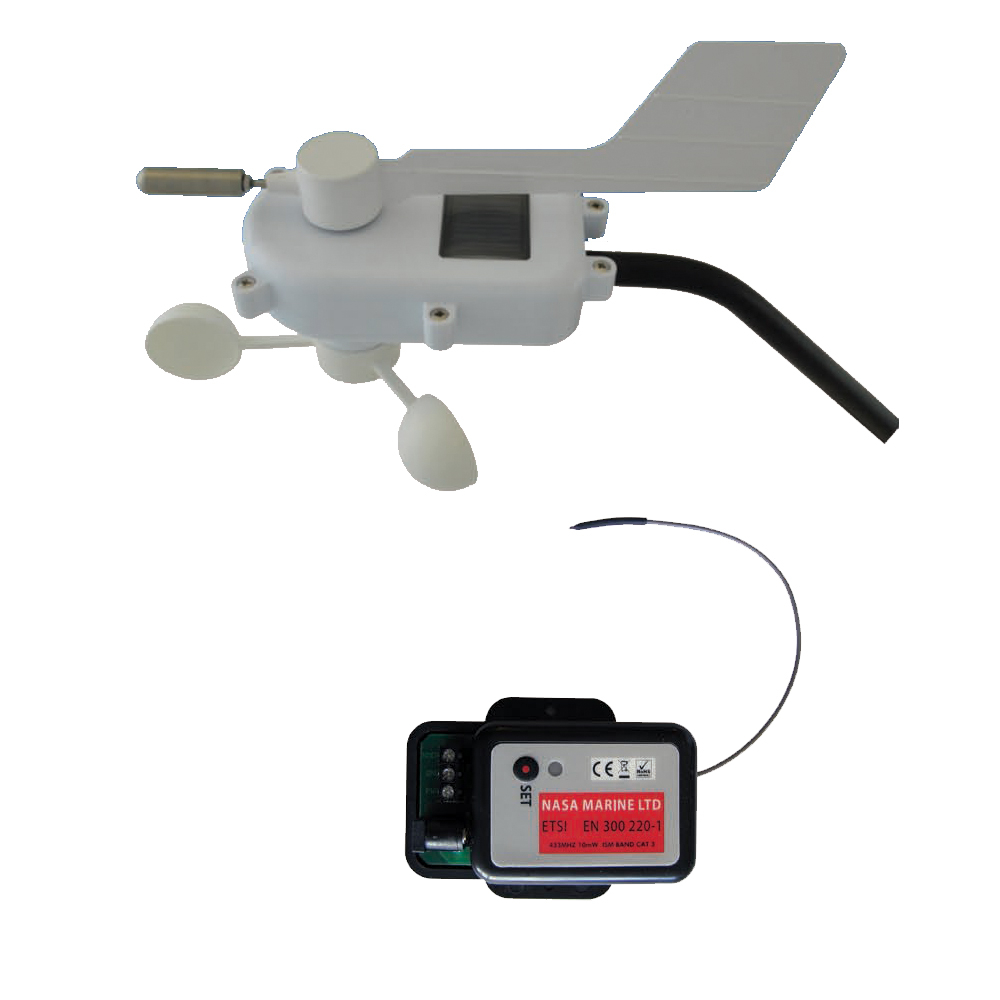
- Wireless Masthead Transmitter: This is the unit that sits atop the mast and measures wind speed and direction. Its wireless functionality is the core feature.
- Data Box: This unit receives the wireless data from the masthead transmitter and converts it to NMEA 0183 format for display on compatible devices. It also requires connection to the vessel’s 12V power.
- NMEA 0183 Compatibility: This allows the system to interface with a wide range of chartplotters, multifunction displays (MFDs), and other marine instruments. This is a crucial aspect for integration into an existing boat setup.
- Solar Charging: The masthead transmitter is equipped with a solar panel to charge its internal battery, reducing the need for frequent battery replacements. This makes it easier to maintain.
- Light Weight – 190 grams: This is the weight of the masthead unit. It minimizes the impact on the boat’s stability.
- Manufacturer: Clipper: This denotes the manufacturer of the product. Clipper is known for offering affordable marine electronics.
- Color: Black: This is the color of the product. Black is a common and practical color choice for marine equipment.
These specifications matter because they directly affect the system’s performance, ease of use, and integration with other onboard equipment. The wireless design simplifies installation, while the NMEA 0183 compatibility ensures broad compatibility. The solar charging reduces maintenance, and the lightweight design minimizes the load on the mast.
Performance & Functionality
The Clipper Wireless Wind Masthead & Data Box NMEA 0183 performs its primary job of providing wind speed and direction data reasonably well. The wind direction accuracy is generally good, and the wind speed readings are typically within an acceptable margin of error, except during periods of heavy gusts. The system’s reliability is decent, though occasional data dropouts can occur, particularly in adverse weather. The usability is excellent due to the simple installation process and the ease of integration with existing NMEA 0183-compatible devices.
The biggest strength is the wireless design, which eliminates the need for running cables down the mast. A weakness is the occasional data dropouts in strong winds and heavy rain. It meets the expectations of a budget-friendly wireless wind instrument but doesn’t outperform higher-end wired systems.
Design & Ergonomics
The build quality is acceptable for a product in this price range. The plastic housing feels reasonably durable, although it might not withstand extreme impacts. The lightweight design of the masthead unit is a plus, as it minimizes the load on the mast. The system is user-friendly, with a straightforward installation process and no complicated configuration requirements.
There’s a minimal learning curve involved. Most sailors familiar with NMEA 0183 should be able to get the system up and running quickly.
Durability & Maintenance
With proper care, the Clipper Wireless Wind Masthead & Data Box NMEA 0183 should last for several years of regular use. The key to longevity is protecting the masthead unit from physical damage and regularly cleaning the solar panel. Maintenance is simple, primarily involving occasional cleaning and visual inspections. Replacing the internal battery in the masthead unit may be necessary after several years, but this is a relatively straightforward task.
Accessories and Customization Options
The Clipper Wireless Wind Masthead & Data Box NMEA 0183 comes with the masthead unit, the data box, and basic mounting hardware. There are no significant customization options available directly from Clipper. However, because the system uses NMEA 0183, it’s compatible with a wide range of NMEA-compatible displays and instruments from other brands. You can connect it to your existing chartplotter, multifunction display, or dedicated instrument display.
Pros and Cons of Clipper Wireless Wind Masthead & Data Box NMEA 0183
Pros
- Wireless design simplifies installation and eliminates cable-related issues.
- Affordable price point makes it an attractive option for budget-conscious sailors.
- NMEA 0183 compatibility ensures broad integration with existing onboard instruments.
- Solar charging reduces the need for frequent battery replacements.
- Lightweight masthead unit minimizes the load on the mast.
Cons
- Occasional data dropouts can occur, especially in strong winds and heavy rain.
- Build quality is acceptable but not as robust as higher-end wired systems.
Who Should Buy Clipper Wireless Wind Masthead & Data Box NMEA 0183?
The Clipper Wireless Wind Masthead & Data Box NMEA 0183 is perfect for:
- Casual sailors and weekend cruisers looking for an affordable and easy-to-install wind instrument.
- Boat owners who want to avoid the hassle of running cables down the mast.
- Sailors with existing NMEA 0183-compatible instruments who want to integrate wind data into their navigation system.
Who should skip this product?
- Serious offshore sailors or racers who require the utmost reliability and accuracy in all weather conditions. They might prefer a higher-end wired system.
A must-have accessory is a compatible NMEA 0183 display or chartplotter.
Conclusion on Clipper Wireless Wind Masthead & Data Box NMEA 0183
The Clipper Wireless Wind Masthead & Data Box NMEA 0183 offers a compelling value proposition for sailors seeking an affordable and easy-to-install wind instrument. The wireless design is a major advantage, simplifying installation and reducing maintenance. While the system may not be as robust or accurate as higher-end wired systems, it provides adequate performance for casual sailing and coastal cruising.
The price is justified given the features and ease of use. I would personally recommend it to budget-conscious sailors and those who prioritize simplicity and convenience. If you’re tired of dealing with masthead cable issues and want a straightforward way to get wind data on your boat, the Clipper Wireless Wind Masthead & Data Box NMEA 0183 is worth considering.