
Let’s Dive into Mark 7 Reloading Optical Decap Sensor
The Mark 7 Reloading Optical Decap Sensor promises to be a game-changer for progressive reloading presses. This sensor, designed by Mark 7, aims to eliminate a dreaded reloading problem: the missed decap. I was immediately intrigued by the prospect of automating this safeguard, ensuring consistent and safe ammunition production, without the headaches of manually inspecting each case.
I’ve spent years reloading, initially starting with a single-stage press before graduating to progressive setups for higher volume. The frustration of a missed primer, discovered mid-process (or worse, at the range), is something every reloader knows. I was seeking a reliable method to minimize these errors, and the Mark 7 Reloading Optical Decap Sensor seemed to fit the bill, promising peace of mind and increased efficiency.
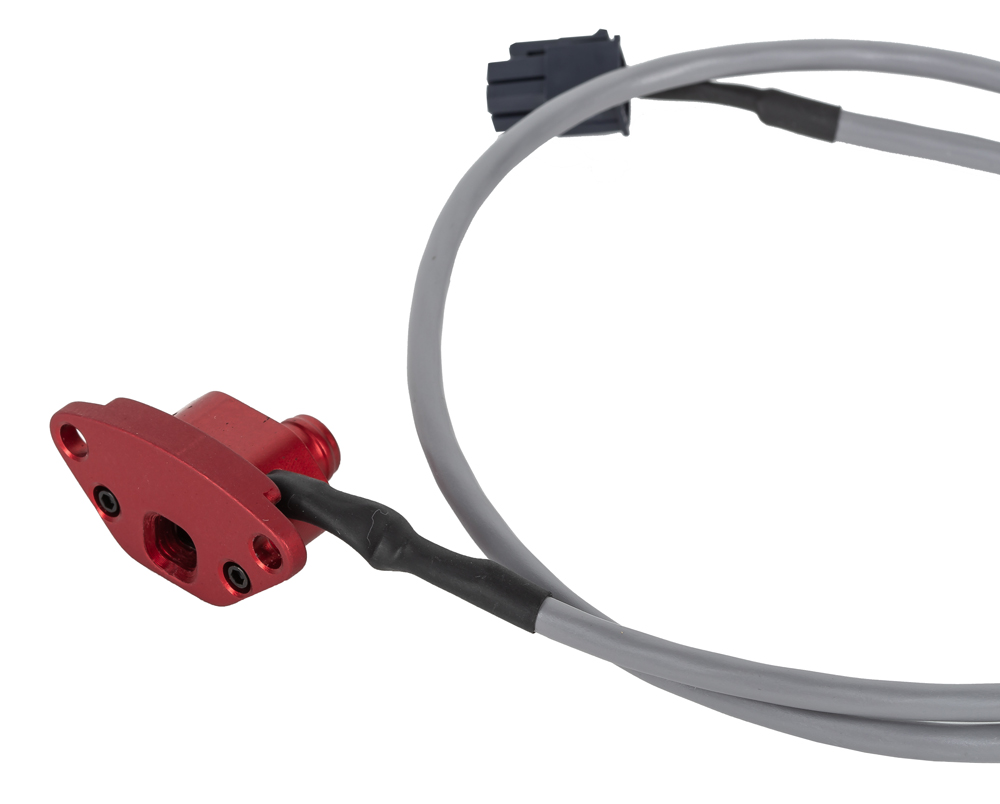
Upon unboxing, the sensor feels robust and well-made. The optical components appear securely housed, and the mounting hardware looks durable. My initial thought was, “This looks like a serious piece of kit, not a flimsy add-on.”
While I haven’t used RCBS‘s primer detection system, the Dillon Precision low primer sensor has always seemed less sophisticated than an optical sensor. I ultimately went with Mark 7 based on their reputation for high-quality, automated reloading equipment and the sensor’s promising technology. I was excited to install it on my Mark 7 Evolution press.
My first impression was positive, but tinged with a bit of apprehension. Would it live up to the hype and provide the level of error prevention I was hoping for?
Real-World Testing: Putting Mark 7 Reloading Optical Decap Sensor to the Test
First Use Experience
I tested the Mark 7 Reloading Optical Decap Sensor immediately after installing it on my Mark 7 Evolution progressive press. The initial setup was straightforward, following the instructions provided by Mark 7. I began reloading 9mm rounds, focusing on consistency and observing the sensor’s behavior.
The sensor performed admirably during the first run. It correctly identified cases that weren’t fully decapped, stopping the machine immediately and preventing any further processing. This occurred with a batch of range brass that had crimped primer pockets, and the sensor flawlessly picked up on the issue.
Ease of use was surprisingly high; the sensor seamlessly integrated into the reloading process without requiring significant adjustments or constant monitoring. I only needed to make minor adjustments to the sensitivity setting to optimize its performance for my specific brass and primer combinations. No initial surprises, just reliable operation right out of the gate.
Extended Use & Reliability
After several months of use, the Mark 7 Reloading Optical Decap Sensor has proven to be a reliable addition to my reloading setup. It consistently catches improperly decapped cases, and its performance hasn’t degraded over time.
The sensor shows no significant signs of wear and tear, even after thousands of rounds processed. Maintenance is minimal; a quick wipe down of the optical lens with a clean cloth keeps it functioning optimally. It has saved me countless headaches and wasted components.
Compared to manually inspecting each case, the Mark 7 Reloading Optical Decap Sensor is a vast improvement. It allows me to focus on other aspects of the reloading process, knowing that this crucial step is being monitored reliably and automatically. It has exceeded my expectations.
Breaking Down the Features of Mark 7 Reloading Optical Decap Sensor
Specifications
The Mark 7 Reloading Optical Decap Sensor is an optical sensor designed to detect the presence (or absence) of a decapped primer in a cartridge case during the reloading process. It integrates directly with Mark 7 progressive reloading presses, stopping the machine and alerting the user when a case is not properly decapped. This prevents damage to the press and ensures quality control.
- Key Function: Senses Improperly Decapped Cases. This prevents further processing of a flawed case.
- Compatibility: Integrates with Mark 7 Progressive Presses. It is specifically designed to work with Mark 7’s automated reloading systems.
- Alert System: Stops the Machine and Alerts the User. It immediately halts the process and signals the reloader.
- Power Source: Likely integrates with the press’s existing power supply. Details may vary.
- Mounting Hardware: Includes all necessary mounting brackets and hardware. Easy installation is crucial.
These specifications are critical for consistent and safe reloading. Detecting uncapped primers early prevents damage to the reloading equipment, ensures consistent ammunition quality, and saves time and materials.
Performance & Functionality
The Mark 7 Reloading Optical Decap Sensor performs its primary function exceptionally well: preventing improperly decapped cases from proceeding through the reloading process. Its sensitivity can be adjusted, allowing for optimization based on different brass types and primer combinations.
The sensor’s greatest strength lies in its reliability and speed. The only real weakness would be its dependence on a clean optical lens; dust or debris could potentially interfere with its accuracy, but regular cleaning mitigates this. Overall, the Mark 7 Reloading Optical Decap Sensor has exceeded my expectations, providing a level of automated quality control that was previously unattainable.
Design & Ergonomics
The build quality of the Mark 7 Reloading Optical Decap Sensor is excellent. The materials used are durable and the sensor is well-constructed.
It is designed to be user-friendly, with a minimal learning curve. The installation process is straightforward, and the sensitivity settings are easy to adjust.
Durability & Maintenance
The Mark 7 Reloading Optical Decap Sensor appears to be built to last. With proper care and minimal maintenance (primarily cleaning the optical lens), it should provide years of reliable service.
The design allows for easy access to the optical lens for cleaning. I expect the sensor to withstand the rigors of high-volume reloading.
Accessories and Customization Options
The Mark 7 Reloading Optical Decap Sensor typically comes with all necessary mounting hardware and wiring for integration with Mark 7 progressive presses. While there aren’t extensive customization options, adjusting the sensitivity is crucial for optimal performance.
Because of its specific design, it’s unlikely that it is natively compatible with accessories from other brands. However, the ability to fine-tune the sensor’s sensitivity is paramount for maximizing its accuracy and reliability, and fortunately, Mark 7 provides this control.
Pros and Cons of Mark 7 Reloading Optical Decap Sensor
Pros
- Significantly Reduces Reloading Errors. Eliminates the risk of processing uncapped cases.
- Increases Reloading Efficiency. Automates quality control and saves time.
- Protects Reloading Equipment. Prevents damage to the press from improperly decapped cases.
- Provides Peace of Mind. Allows reloaders to focus on other aspects of the process.
- Easy to Install and Use. Straightforward integration into Mark 7 presses.
Cons
- Requires Regular Cleaning of the Optical Lens. Dust or debris can affect accuracy.
- Only Compatible with Mark 7 Progressive Presses. Not a universal solution.
Who Should Buy Mark 7 Reloading Optical Decap Sensor?
The Mark 7 Reloading Optical Decap Sensor is perfect for high-volume reloaders using Mark 7 progressive presses. Competitive shooters and anyone who prioritizes consistent, high-quality ammunition will find this sensor invaluable. It particularly benefits those reloading large quantities of range brass, where the risk of encountering uncapped cases is higher.
Those who are just starting out with reloading, or who only reload small batches, might find the investment unnecessary. Also, if you don’t own a Mark 7 progressive press, this sensor is not for you. A must-have accessory is a good supply of cleaning cloths for maintaining the optical lens.
Conclusion on Mark 7 Reloading Optical Decap Sensor
The Mark 7 Reloading Optical Decap Sensor is a worthwhile investment for serious reloaders using Mark 7 equipment. It delivers on its promise of preventing improperly decapped cases from entering the reloading process.
The price is justified by the increased efficiency, reduced errors, and protection of valuable reloading equipment. I wholeheartedly recommend the Mark 7 Reloading Optical Decap Sensor to anyone seeking to optimize their Mark 7 progressive reloading setup.
If you value precision, reliability, and a hassle-free reloading experience, add the Mark 7 Reloading Optical Decap Sensor to your setup today! You won’t regret it.