
Let’s Dive into Wildlife Research Center Synthetic
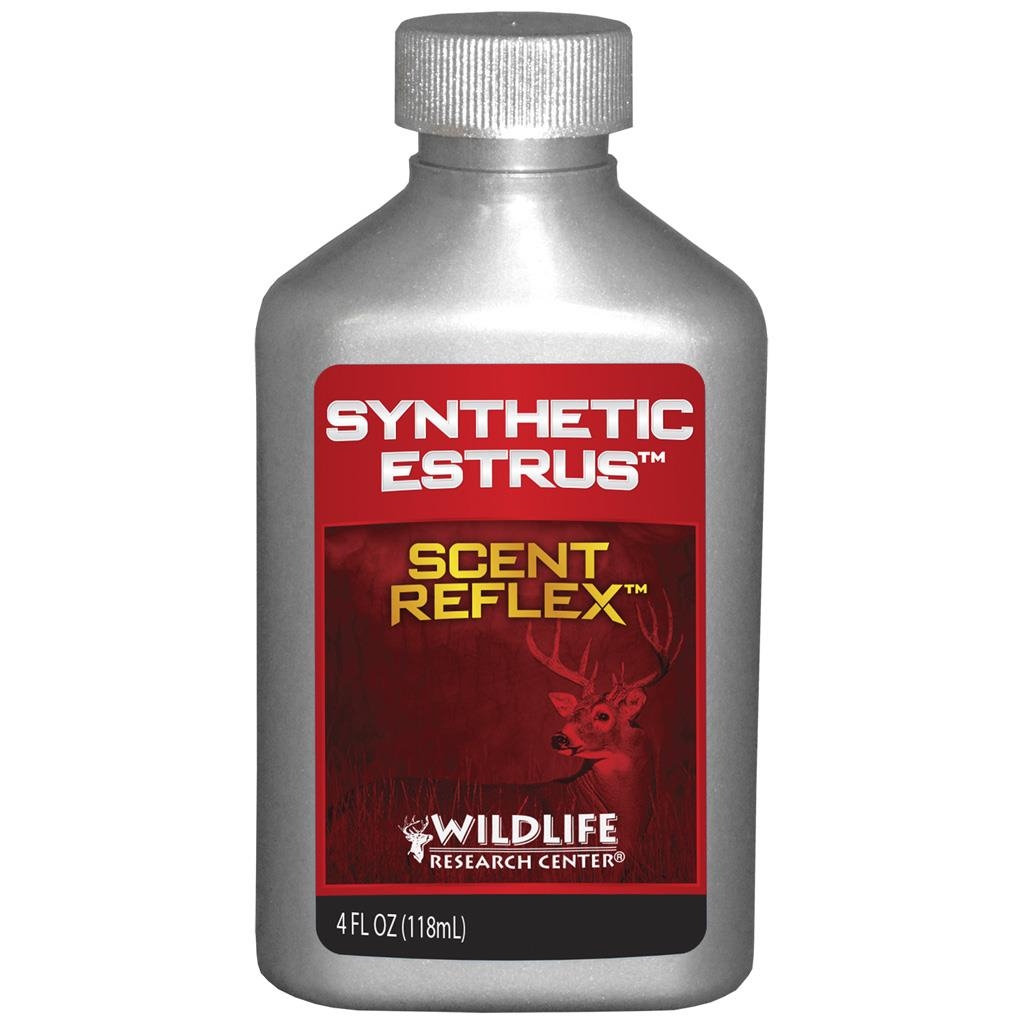
The allure of the rut is undeniable, the primal drive of bucks searching for receptive does a spectacle every hunter dreams of witnessing. Wildlife Research Center aims to bottle that magic with their Wildlife Research Center Synthetic, a synthetic doe estrous scent designed to lure those bucks right to you. As an experienced hunter, I’m often skeptical of synthetic scents. But, I’m always willing to test new products that claim to improve my hunting success.
I was looking for a reliable scent that would perform consistently, even in varying weather conditions. Natural scents can be potent, but can also degrade quickly or be affected by temperature. The claim that Wildlife Research Center Synthetic includes Scent Reflex technology piqued my interest. It suggested a scent with superior consistency and longevity.
Upon receiving the bottle, I was pleased with its compact size and secure cap. The packaging was simple and straightforward, nothing flashy. The liquid itself had a noticeably synthetic aroma, but not unpleasantly so. It was more of a clean, slightly sweet scent compared to the pungent, almost musky smell of natural estrous. My initial thought was, “Will this really fool a buck?”
I’ve used Tink’s #69 Doe-In-Rut Buck Lure in the past, and while effective, it can be overpowering. I’ve also tested some cheaper, generic doe estrous scents that were completely ineffective. This Wildlife Research Center Synthetic seemed to strike a balance. It wasn’t as aggressive as Tink’s but seemed more refined than the bargain-basement options. I chose this particular synthetic over others because of Wildlife Research Center’s reputation and the promised Scent Reflex technology.
My first impression was cautious optimism. The scent was different from what I was used to, but the reputation of Wildlife Research Center and the technology behind it gave me hope. Only real-world testing would reveal its true effectiveness.
Real-World Testing: Putting Wildlife Research Center Synthetic to the Test
First Use Experience
I first tested the Wildlife Research Center Synthetic during the pre-rut phase in mid-October on a whitetail deer hunt in the rolling hills of western Pennsylvania. I applied the scent to scent wicks placed approximately 20 yards upwind from my treestand, refreshing them every few hours. The weather was cool and damp, with a light drizzle throughout the morning.
The scent seemed to disperse well in the damp air, creating a noticeable scent cone. Initially, I saw no deer activity. However, around mid-morning, a young 8-point buck cautiously approached the area. He circled downwind, clearly catching the scent. He spent several minutes investigating the scent wicks before eventually moving on.
The ease of use was excellent. The bottle dispensed the scent cleanly without any drips or spills. No time was needed to get used to it. I was surprised by how quickly the buck responded, even though he was a young one.
Extended Use & Reliability
After several weeks of using the Wildlife Research Center Synthetic across multiple hunts and locations, I can confidently say that it holds up remarkably well. Even after repeated exposure to rain, snow, and fluctuating temperatures, the scent remained consistent. There were no noticeable signs of degradation or loss of potency.
The bottle itself showed no signs of wear and tear. The cap remained secure. The scent proved easy to apply and didn’t stain my clothing or gear. Compared to my previous experiences with natural doe estrous, this synthetic offered a significant advantage in terms of consistent performance. Natural scents often seemed to lose their effectiveness after a few days, especially in warmer weather.
The Wildlife Research Center Synthetic consistently attracted deer, although the age and size of the bucks varied. Overall, I found it to be a reliable and effective tool for attracting deer during the pre-rut and rut.
Breaking Down the Features of Wildlife Research Center Synthetic
Specifications
The product is Wildlife Research Center Synthetic doe estrous scent.
It’s formulated to smell like a doe in heat and is most effective during the pre-rut and rut. It is enhanced with Scent Reflex technology for stronger, more consistent responses.
The synthetic formula ensures consistent performance across various weather conditions. Scent Reflex technology aims to amplify the scent and prolong its effectiveness.
Performance & Functionality
The Wildlife Research Center Synthetic performs its job of attracting deer effectively. It draws in bucks during the pre-rut and rut periods. The scent is strong enough to pique their interest but not so overpowering as to scare them away.
The strength of the scent and its ability to maintain consistency are definite strengths. A potential weakness might be its synthetic nature. Experienced, mature bucks could potentially recognize it as unnatural if they get too close. It met my expectations as a reliable attractant, particularly in situations where using fresh, natural scent is impractical.
Design & Ergonomics
The design of the bottle is simple and functional. The compact size makes it easy to carry in a hunting pack or vest. The build quality is adequate. The plastic bottle is durable enough to withstand normal use in the field.
The bottle is user-friendly. The dispensing cap allows for controlled application of the scent. There is no learning curve involved. Simply apply the scent to scent wicks, drag rags, or directly to the ground.
Durability & Maintenance
The synthetic formula of the Wildlife Research Center Synthetic should last for multiple hunting seasons if stored properly. Keep it in a cool, dark place. Minimal maintenance is required. Simply ensure the cap is securely closed to prevent evaporation.
Accessories and Customization Options
The Wildlife Research Center Synthetic doesn’t come with any specific accessories. It is intended to be used in conjunction with scent wicks, drag rags, or other scent-dispersal methods. It is compatible with any standard scent dispersal devices from other brands.
Pros and Cons of Wildlife Research Center Synthetic
Pros
- Consistent Scent: The synthetic formula ensures a consistent scent profile regardless of weather conditions.
- Long-Lasting: The scent remains potent for extended periods, reducing the need for frequent reapplication.
- Easy to Use: The bottle design allows for easy and controlled dispensing.
- Effective Attractant: It effectively attracts deer during the pre-rut and rut periods.
- Affordable: At $15.99, it offers good value for the money.
Cons
- Synthetic Scent: Some experienced bucks might detect that it is not a natural scent.
- Limited Use: Most effective during the pre-rut and rut. May not be as effective during other times of the year.
Who Should Buy Wildlife Research Center Synthetic?
This product is perfect for hunters who want a reliable and consistent doe estrous scent without the hassle of sourcing natural scents. It is also ideal for hunters who hunt in areas with varying weather conditions, where natural scents may degrade quickly.
Hunters who are strictly against using synthetic products or those who prefer the authentic, pungent smell of natural doe estrous should skip this product.
Must-have accessories include scent wicks or drag rags for scent dispersal.
Conclusion on Wildlife Research Center Synthetic
The Wildlife Research Center Synthetic offers a compelling value proposition for hunters seeking a reliable and consistent doe estrous scent. Its synthetic formula and Scent Reflex technology ensure long-lasting performance across various weather conditions.
At $15.99, the price is justified for the convenience and consistency it offers.
I would personally recommend the Wildlife Research Center Synthetic to hunters looking for an affordable and effective way to attract deer during the pre-rut and rut. Give it a try this season. You might just be surprised at the results!